Ghulam Muhammad Safi Exposes Dangerous Implications of India-Israel Nexus in Global Politics
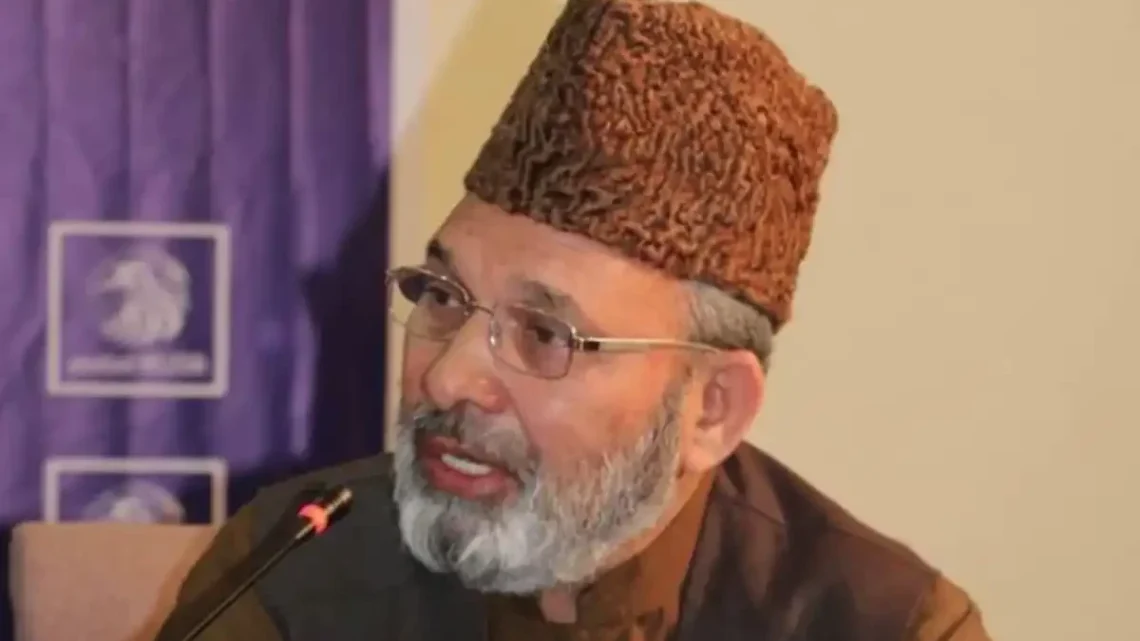
November 24, 2025Ghulam Muhammad Safi, Convener of the All Parties Hurriyat Conference (APHC-AJK), has exposed the deepening and dangerous alliance between India and Israel, particularly in their shared oppression of occupied territories. Speaking at a public gathering in Lahore, Safi pointed out how both countries employ nearly identical strategies in their occupied regions, Kashmir and Palestine—ranging from demographic changes to the suppression of resistance. The policies of state repression and military dominance, aimed at silencing calls for self-determination, reflect a blatant disregard for international law and human rights.
♦ India and Israel: Partners in Oppression
India and Israel have adopted parallel strategies to suppress indigenous resistance movements in occupied regions.
♦ Shared Repressive Policies in Occupied Territories
Both states use military sieges, demographic manipulation, and media suppression to stifle freedom and self-determination.
♦ Global Political Fallout from the India-Israel Nexus
This alliance is destabilizing global peace, especially in regions where nuclear powers face off, such as Kashmir and Palestine.
India’s Repressive Tactics in IIOJK and Their Global Implications
Safi emphasized that India’s actions in Kashmir mirror Israel’s tactics in Palestine. These include attempts to change the region’s demographic makeup, military crackdowns, and targeting civilians who resist occupation. India has issued large numbers of domiciles to non-Kashmiris, altered electoral boundaries, and arrested political leaders, creating a situation that destabilizes the region and violates international law. This erosion of Kashmir’s autonomy and identity is a violation of both UN resolutions and the Fourth Geneva Convention.
♦ Demographic Manipulation and Political Suppression
India’s deliberate efforts to alter Kashmir’s demographic balance and political structure violate the fundamental rights of Kashmiris.
♦ Criminalizing Self-Determination and Resistance
India criminalizes the peaceful resistance of Kashmiris, painting them as terrorists, thus denying their right to self-determination.
♦ International Law Violations and Regional Instability
India’s actions not only violate international law but also exacerbate tensions in South Asia, where two nuclear powers are on the brink of conflict.
India-Israel Nexus: A Shared Strategy of State Repression
Shared Repressive Strategies
Both India and Israel have used state repression as a tool to silence resistance and maintain control in their occupied regions. These regimes employ military force, surveillance, and legal frameworks to crush any form of opposition. The use of modern weapons, backed by state power, has led to widespread civilian suffering, with little to no accountability for these human rights violations.
♦ Military and Political Control in Occupied Regions
Both countries use military force and political repression to keep populations under control, denying them their basic rights.
♦ Criminalizing Resistance Movements
By labelling resistance movements as terrorism, both nations justify violent actions against unarmed civilians.
♦ The Weaponization of International Support
India and Israel manipulate international alliances to secure legitimacy for their oppressive actions, further entrenching their hold over occupied territories.
The Role of the International Community in Addressing Kashmir and Palestine
Safi’s address called on the international community to abandon its silence on the situation in Kashmir. The United Nations, the European Union, and human rights organizations must act decisively to hold India accountable for its blatant violations of human rights. The Kashmir dispute is not just regional but a critical global issue, and the failure of the international community to recognize it as such undermines international law and security.
The Kashmir Dispute: A Global Issue of Self-Determination
The Kashmir issue is fundamentally about self-determination, human dignity, and the right to live without occupation. Safi reminded the audience that the UN has recognized the right of Kashmiris to self-determination, a promise that India has failed to honor. India’s continuous refusal to implement UN resolutions is a direct challenge to peace in the region and a violation of international law.
♦ India’s Violation of UN Resolutions
India’s disregard for the rights of Kashmiris and failure to implement UN resolutions has left the Kashmir issue unresolved.
♦ The Right to Self-Determination Must Be Respected
The Kashmiri people’s right to self-determination is not negotiable and must be respected by the international community.
♦ International Recognition of Kashmir’s Status
The international community must reject India’s narrative of Kashmir being an “internal issue” and recognize it as an unresolved international dispute.
The Need for Immediate International Intervention
Safi’s call for international action is urgent. The human rights violations in Kashmir cannot be ignored any longer. The global community must press India to end its oppressive policies and allow the Kashmiri people their rightful self-determination. The solution to the Kashmir dispute lies in international pressure and support for the Kashmiri people’s demands for freedom and justice.
♦ Global Solidarity for Kashmir
The world must stand with Kashmir’s people in their fight for freedom, ensuring their voices are heard on the global stage.
♦ Ending India’s Violation of International Law
India must be held accountable for its actions in Kashmir, and international laws must be enforced to ensure justice.
♦ A Sustainable Path to Peace in South Asia
Only by recognizing Kashmir’s right to self-determination can lasting peace in South Asia be achieved.