Geneva: Kashmiri Delegation Protests Grave Human Rights Violations In IIOJK
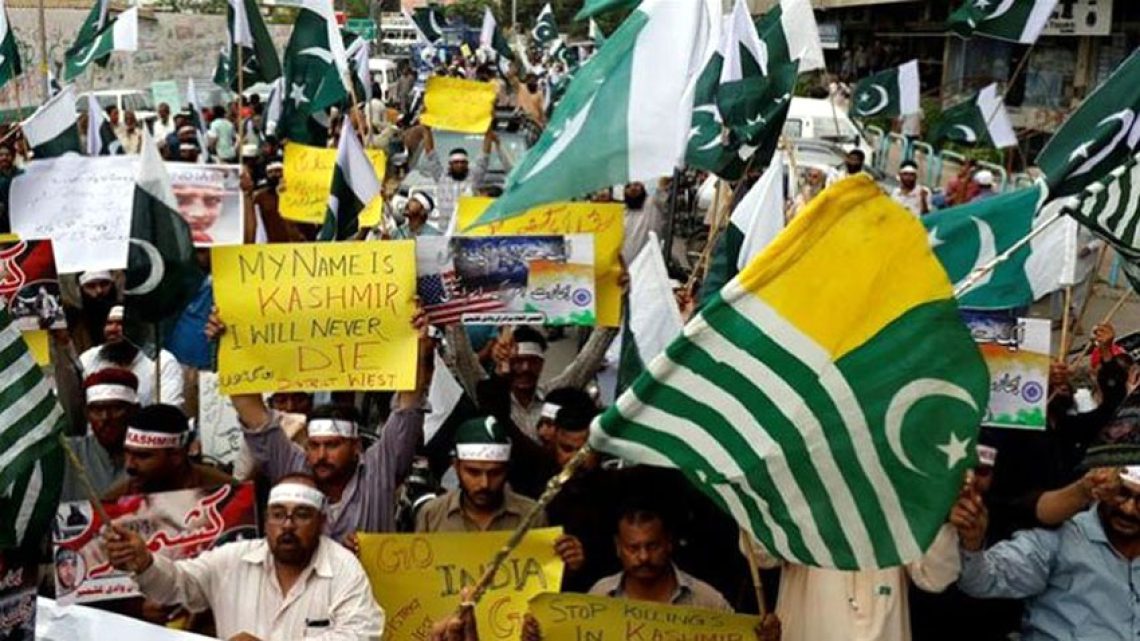
September 20, 2025The Kashmiri delegation’s protest outside the UN office in Geneva during the 60th session of the Human Rights Council put a long list of complaints on the record. Delegation members said they face mass arrests, bans on political groups, efforts to change who lives in the valley, and a steady closing down of public life under Indian control in Indian occupied Jammu and Kashmir. They asked the UN to act now to stop more bloodshed and to protect ordinary people. These claims are direct and serious and need more than routine replies.
Public Protest And The Call For Immediate Action
• The delegation said they gathered outside the UN office in Geneva to ask the Human Rights Council to stop further violence and to protect civilians.
The delegation took names and claims to the world stage. Their public protest was a clear demand for action, not a private complaint. If the world answers only with soft words, it will give India room to keep hurting people. Strong steps are needed to protect lives and rights.
Mass Detentions And The Targeting Of Civil Society
• The delegation said thousands of Kashmiris are held across India and in IIOJK, including Hurriyat leaders, activists, youth, lawyers, students, journalists and human rights workers.
• The delegation said these arrests reach into every part of civic life and are meant to break leaders and silence critics.
If true, these mass arrests show the state treats peaceful critics as criminals. Jailing lawyers, teachers and reporters is not about security. It is about removing anyone who can hold power to account. The damage is deep: families lose income, services lose leaders, and public life dies out.
Population Change And The Threat To Identity
• The delegation said moves are under way to change who lives in the valley by laws and rules on land, jobs and residency.
• The delegation warned that these steps would hurt the identity and future of local people.
Changing who counts as a local resident and who can own land is not a harmless act. It is a way to redraw the future of a place, pushing old residents aside and bringing in new ones. This is a direct attack on culture, rights and the idea that people should stay in their homes and way of life.
Political Bans And The Crushing Of Dissent
• The delegation said India’s Ministry of Home Affairs has put a blanket ban on more than a dozen political groups, a move meant to stop political and democratic protest.
• The delegation said these bans cut off legal ways for people to raise complaints.
Banning political groups is the action of a government that fears debate. When the state removes lawful opposition, it leaves only itself to decide what is allowed. That is not democracy. The world should call these bans what they are: attempts to stop people from speaking and organising.
Culture On Display And Public Proof
• The delegation held a display of Kashmiri art and craft outside the UN office to show what is at risk under occupation.
• The delegation used the display to show the daily life and skills that are in danger when land and people are pushed aside.
Showing culture in Geneva was not only symbolic. It proved that an entire way of life is under pressure. When crafts, songs and ways of living die out, a people lose memory and dignity. This is another form of harm that must be stopped.
Threat To Regional Peace And The Need For Talks
• The delegation said India’s hold on IIOJK is a major threat to peace in South Asia and warned that ignoring the causes of anger will only make the problem worse.
• The delegation asked the UN and the world to work for talks that respect rights and lead to a lasting solution.
Using force instead of talk only pushes grievance deeper and risks wider violence. Lasting peace needs talks that protect rights and answer real complaints. The international community should press for real talks, not just words.
What The Delegation Asked For
• The delegation asked the UN Human Rights Council to open a public inquiry into claims of mass arrest, torture and moves to change the population.
• The delegation asked that neutral observers be allowed full access and that states use pressure to stop abuses.
These demands are direct and practical. A public inquiry would lay out facts. Independent monitors would prevent cover ups. Real diplomatic pressure is not interference; it is the duty of free countries to stop clear abuse.
Human Cost And The Need For Immediate Protection
• The delegation said families face raids, loss of work and social shame, and that people live in fear of sudden arrest.
• The delegation said civic groups, schools and basic services are weakened by the ongoing clamp down.
When normal life becomes unsafe, everyone suffers. Children grow up with fear, schools lose teachers, and health and services fall apart. This damage cannot be fixed by quiet words. It needs urgent action to protect people now.
Among those who spoke were APHC-AJK convener Ghulam Mohammad Safi, former AJK minister Chaudhry Pervez Ashraf, KIIR chairman Altaf Hussain Wani and KIIR executive director Sardar Amjad Yousuf, joined by Advocate Pervez Shah, Dr Raja Sajjad, Mrs Shamim Shawl, Dr Muzmil Ayub Thakur, Dr Shagufata Ashraf, Mirza Asif Jarral, Ali Raza Syed and other leaders and activists.
Concrete Steps The World Must Take
• Open a public, transparent inquiry into the claims made by the delegation.
• Allow independent observers full access to see conditions on the ground and to meet those who are held.
• Use diplomatic pressure and targeted measures to stop further abuses and to push for the release of people held without clear cause.
These steps are the least the world can do when such serious claims are made in public at the UN.
Conclusion: Duty, Action, Justice
The delegation has placed a clear list of claims before the world: mass arrests of leaders and civil society, laws and moves that change who can live and work in the valley, blanket bans that end lawful politics, and a steady shrinking of culture and public life. These facts demand action, not statements. The UN and democratic states must open inquiries, allow independent monitors, press for the release of people held without clear cause, and use diplomatic tools to stop further harm. If the world fails to act, it will make daily abuse the new normal and will let the rights, lives and culture of Kashmiris be lost. The time for firm action is now.