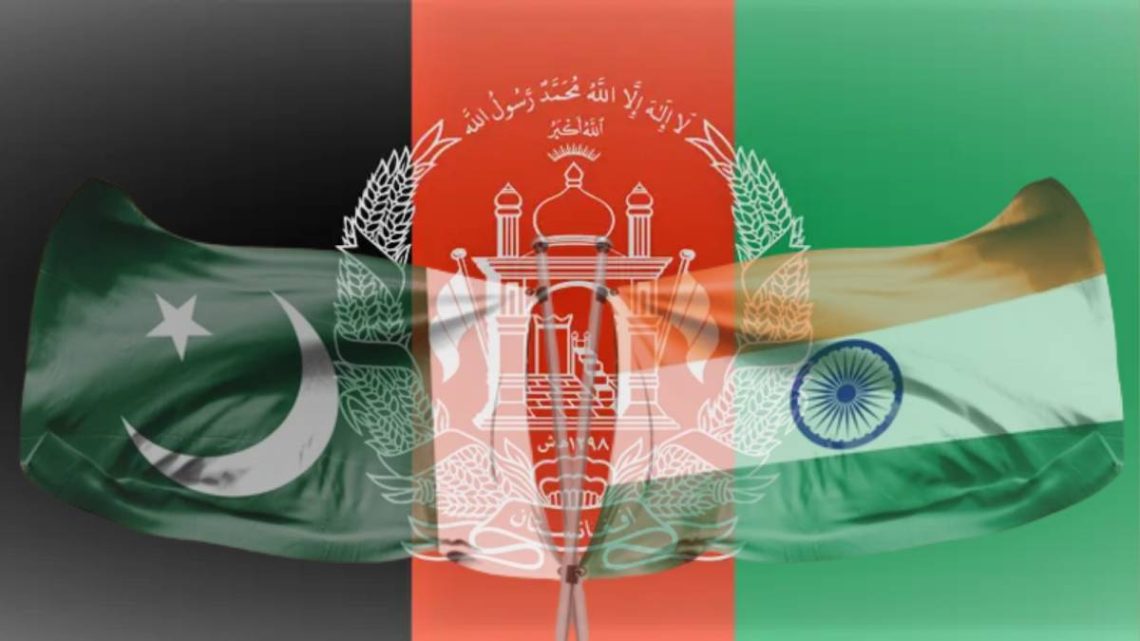
From Sindoor’s Defeat to Taliban’s Door: How India’s Military Humiliation Exposed Modi and Forced a Desperate Pivot to Terror Proxies
October 21, 2025The collapse of Operation Sindoor has left India’s RSS-led government in deep crisis. Planned as a show of military power, it ended in humiliation with the loss of six Indian fighter aircraft, collapsing morale, and sharp criticism. This exposed deep flaws in New Delhi’s planning. Instead of reflection, the Modi government made a desperate pivot: turning to the Taliban, which it once condemned, and using terrorist groups like the TTP and BLA to destabilise Pakistan.
From ‘Vishwaguru’ to Desperate Partner
India’s decision to host the Taliban’s foreign minister is a shocking reversal of its policy. The same government that called the Taliban “oppressors of women” now seeks their partnership. This is a panicked reaction to the defeat in Operation Sindoor.
♦ A Desperate Reaction to Military Defeat: Indian journalist Meenu Jain highlighted this weakness, asking what claim India has to world leadership if it “now need[s] Afghanistan and the Taliban to fight Pakistan.”
♦ Exposing the ‘Vishwaguru’ Myth: Ms. Jain stated: “This is the result of the defeat in Operation Sindhur. They have gone so far that they do not understand whether to go to China or to the Taliban.”
The Hypocrisy of Saffron Politics
The RSS-BJP government aligning with the Taliban betrays its own stated values. This move exposes the Modi government’s hollow talk on women’s empowerment, revealing a mindset similar to the Taliban’s.
♦ A Betrayal of Women’s Rights: Meenu Jain highlighted this hypocrisy, noting the clash between preaching women’s empowerment and embracing the Manusmriti mindset that holds women back.
♦ ‘Manusmriti Mindset’ Exposed: She warned that this outreach endangers Indian women, as the Taliban’s restrictions on women mirror the RSS-BJP’s own views on gender roles.
A National Humiliation on Home Soil
The Taliban visit sparked outrage and shame in India, seen as a surrender of national dignity.
♦ Surrendering National Dignity: Opposition figures accused Modi of surrendering to fear of Pakistan. TV debates called it “a shameful night for Vishwaguru India.”
♦ Humiliating Indian Women: Excluding female journalists from the Taliban’s press conference caused outrage, seen as degrading women’s professional rights.
♦ Chaos at the Afghan Embassy: Tensions flared when Taliban envoys tried to change the Afghan flag, facing opposition from former government staff. This chaos, reported by Indian journalists, damaged India’s image.
Indian Analysts Expose the Military Blunder
India’s own defence experts confirm Operation Sindoor was a failure. They condemn it as a blunder driven by domestic politics, not sound strategy.
♦ A ‘Strategically Misguided’ Operation: Sushant Singh, a Yale lecturer, told The Wire in June 2025 the operation was “strategically misguided.”
♦ Politics Over National Security: Singh noted India lost several aircraft to strike just two minor targets, proving it was for domestic politics.
♦ ‘Militarily Meaningless’ Attacks: Pravin Sawhney, editor of Force magazine, told Karan Thapar in May 2025 the attacks were “militarily meaningless” and only exposed India’s weaknesses.
♦ A Lack of Evidence: Sawhney also questioned India’s claims of shooting down Pakistani jets, noting the complete lack of evidence.
The Desperate Pivot to Proxy Warfare
India’s embrace of the Taliban is an indirect strategy to attack Pakistan after its direct military failure. This move is also linked to India’s support for terrorist groups like the TTP and BLA.
♦ A ‘Big Move to Circle Pakistan’: On France 24, Dr Subir Sinha of SOAS described it as a “big move to circle Pakistan” after its direct loss.
♦ Other Motives: Dr. Sinha listed other motives: countering China, accessing Afghanistan’s lithium, copper, and gold, and influencing Muslim voters in the Bihar elections.
♦ Encouraging Terror Proxies: Dr. Sinha noted this policy coincides with India’s support for the BLA. He added that Taliban media allies, with Indian encouragement, boasted that “Afghan flags will soon fly in Attock and Quetta.”
Pakistan’s Rise vs. India’s Moral Collapse
The contrast between India’s isolation and Pakistan’s rising global standing is clear. India is getting friendly with a regime the United Nations calls “gender apartheid,” while Pakistan is recognized for its restraint and success.
♦ Hosting ‘Gender Apartheid’: Critics say Modi is betraying women by hosting Taliban officials, whom the United Nations accuses of “gender apartheid.”
♦ Pakistan’s Success Recognized: Pakistan’s army chief, Field Marshal Asim Munir, held high-level meetings with the U.S. President, including a White House lunch. This shows global acknowledgment of Pakistan’s sensible response.
♦ A Profile of Confidence: An analyst concluded, “Pakistan has done a good job in Operation Sindhur,” leading to this recognition and an increased “profile in Pakistan.”
Conclusion
The facts are clear, and many are voiced from within India. Operation Sindoor exposed India’s military weakness and broke its false ideas of power. The outreach to the Taliban shows its diplomatic confusion and moral collapse. Its support for TTP and BLA terrorists exposes its moral decay. By turning to those it once condemned, the Modi government has reduced India from a “Vishwaguru” to a state driven by fear and desperation. What began as Operation Sindoor has ended as Operation Surrender, a total retreat from principle, power, and trustworthiness.