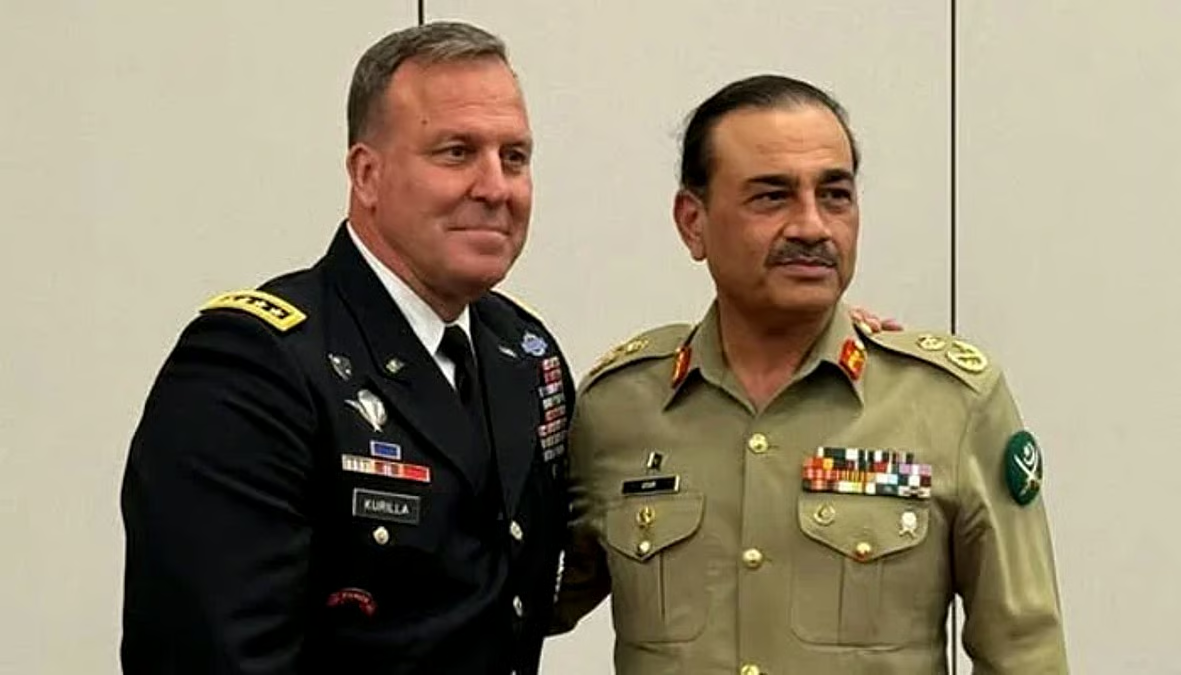
Field Marshal Asim Munir’s Visit to the US: A Diplomatic Milestone for Pakistan, India’s Strategic Setback
August 13, 2025Field Marshal Asim Munir’s recent visit to the United States has been a significant event in Pakistan’s diplomatic efforts. The visit, marked by important meetings and discussions with US officials, has strengthened Pakistan’s position on several key issues, including counterterrorism and regional security. It has also provided a platform to highlight Pakistan’s concerns regarding India’s role in supporting terrorism. This feature explores the key outcomes of the visit, the impact on Pakistan’s foreign policy, and its broader implications for the region.
Strengthening US-Pakistan Relations
One of the key outcomes of Field Marshal Munir’s visit has been the strengthening of ties between the United States and Pakistan. The visit included high-level engagements with American leaders, including discussions with former US President Donald Trump. This visit marked a shift in the bilateral relationship, with both countries acknowledging the strategic importance of cooperation on security issues. The US’s recognition of Pakistan’s role in regional security was a clear signal of its increasing engagement with Pakistan as a partner in the fight against terrorism.
Diplomatic Success for Pakistan
Field Marshal Munir’s diplomatic efforts during the visit have been widely regarded as a success. By meeting with key US officials, he was able to highlight Pakistan’s concerns about terrorism, particularly India’s role in sponsoring extremist groups operating in the region. The US’s decision to designate India-backed terrorist groups such as the Baloch Liberation Army (BLA) and the Mujahid Brigade as terrorist organizations is seen as a result of Pakistan’s successful diplomatic engagement. This development is a significant diplomatic win for Pakistan, as it exposes India’s role in destabilizing the region and highlights Pakistan’s efforts to combat terrorism.
Exposing India’s Terrorist Connections
The visit helped shed light on India’s covert support for terrorist groups in the region, particularly those involved in insurgent activities in Balochistan. Security sources have confirmed that Field Marshal Munir’s discussions with US officials focused on exposing the role of India’s intelligence agency, RAW, in supporting groups like the ‘Fitna-e-Hindustan’ network, which has been linked to various terrorist activities in Pakistan. The US’s formal recognition of these groups as terrorist organizations is a key step in acknowledging the dangers posed by India’s actions in the region.
Pakistan’s Role in Counterterrorism
Another key aspect of Field Marshal Munir’s visit was the emphasis on Pakistan’s vital role in global counterterrorism efforts. During the trip, Pakistan underscored its commitment to fighting terrorism and extremism, particularly those groups linked to India. Pakistan’s cooperation with international partners, including the US, is crucial in ensuring that terrorist organizations do not find safe havens in the region. The US’s recognition of Pakistan’s role in countering these threats serves as an important affirmation of the country’s security priorities.
India’s Reaction to Pakistan’s Diplomatic Success
While Pakistan’s diplomatic success was widely acknowledged, it did not come without controversy. Reports suggest that India was displeased with the attention Pakistan received during Field Marshal Munir’s trip, particularly the US’s recognition of Pakistan’s concerns regarding Indian-supported terrorism. India has long sought to dominate regional narratives, and the growing US-Pakistan cooperation has disrupted its position. India’s dissatisfaction underscores the ongoing geopolitical rivalry between the two nations and the challenges Pakistan faces in its diplomatic engagement with both regional and global powers.
US-Pakistan Cooperation: A New Chapter in Strategic Dynamics
Field Marshal Munir’s visit marked a shift in the strategic dynamics between Pakistan and the US. Historically, the relationship between the two countries has been marked by both cooperation and tension. However, the recent developments suggest that the US is now looking at Pakistan as a key partner in regional stability. The US’s interest in enhancing military and economic ties with Pakistan, particularly in areas such as energy, minerals, and technology, reflects a new phase in bilateral relations. This shift could have long-term benefits for Pakistan, both in terms of security cooperation and economic investment.
Energy and Economic Cooperation on the Table
In addition to security matters, Field Marshal Munir’s visit also focused on economic cooperation. During his meetings with US officials, the potential for increased investment in Pakistan’s energy sector was discussed. The US President expressed support for Pakistan’s energy development, particularly in oil and gas sectors, signaling a renewed interest in strengthening Pakistan’s energy infrastructure. Moreover, the visit included discussions on investment opportunities in other sectors, including technology and minerals, highlighting the growing economic partnership between the two countries.
Pakistan’s Growing Diplomatic Influence
Field Marshal Munir’s visit has been seen as an important step in enhancing Pakistan’s diplomatic influence on the global stage. The growing recognition of Pakistan’s role in regional security, counterterrorism, and economic cooperation has helped improve the country’s standing internationally. Pakistan’s ability to navigate complex international relationships, balancing ties with both the US and China, has allowed it to maintain a position of strategic importance in South Asia. The recognition of Pakistan as a key player in global security affairs is a significant development in its foreign policy trajectory.
The Impact on Regional Security
The outcomes of Field Marshal Munir’s visit will have significant implications for regional security. By successfully highlighting India’s role in sponsoring terrorism, Pakistan has managed to bring international attention to a key issue in the ongoing conflict between the two nations. The US’s designation of India-linked terrorist organizations as terrorist groups will put pressure on India to reassess its regional policies. Furthermore, Pakistan’s role as a mediator in regional conflicts, particularly in South Asia, is being increasingly recognized, positioning the country as a neutral party capable of contributing to peace efforts.
India’s Geopolitical Position Under Threat
India’s response to Field Marshal Munir’s visit reflects its growing concerns over the changing geopolitical dynamics in South Asia. With Pakistan gaining recognition for its role in regional stability and counterterrorism, India’s position as the dominant regional power is increasingly being challenged. As the US-Pakistan relationship strengthens, India may find itself under pressure to adjust its regional strategies, particularly regarding its policies in Kashmir and Balochistan. The visit has reinforced Pakistan’s strategic importance, both in terms of security and economic cooperation, challenging India’s traditional influence in the region.
The Importance of Continued Diplomatic Engagement
Field Marshal Munir’s visit underscores the importance of continued diplomatic engagement for Pakistan. As the country navigates its relationships with both global powers and regional neighbors, maintaining a balanced foreign policy will be crucial. Pakistan must continue to strengthen its diplomatic ties with the US, China, Russia, and other key players while also addressing regional security concerns. By doing so, Pakistan can enhance its global standing and ensure that its interests are effectively represented on the world stage.
Conclusion: A New Phase in Pakistan’s Foreign Policy
Field Marshal Asim Munir’s successful visit to the US has marked a new phase in Pakistan’s foreign policy, characterized by stronger diplomatic ties, greater international recognition, and an enhanced role in regional security. The recognition of Pakistan’s efforts in counterterrorism and its strategic importance in South Asia has bolstered the country’s global standing. As Pakistan continues to engage diplomatically with major powers and regional neighbors, the outcomes of this visit will shape its future diplomatic and security policies, positioning the country as a key player in global affairs.