Er Rashid’s Hunger Strike: A Direct Challenge To India’s Brutal Rule In Kashmir
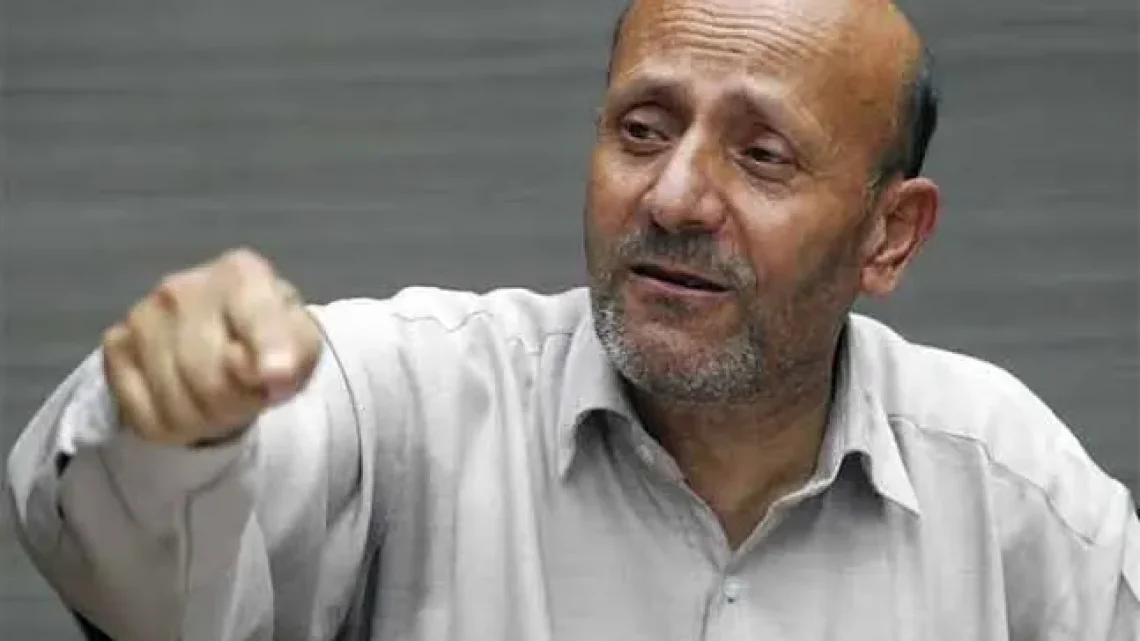
September 21, 2025Engineer Abdul Rashid’s decision to begin a 48 hour hunger strike inside Tihar Jail is a bold and painful act meant to force the world to look at the daily cruelty meted out to Kashmiris. This is not a small protest. It is a loud call from inside one of India’s most watched prisons that exposes a state that rules by fear, lawless detention and economic asphyxiation. Er Rashid risks his health to show that the Kashmiri demand for justice cannot be ignored and that the people’s will will not be crushed by force.
Hunger Strike As A Moral Alarm
• Clear Act Of Protest: Er Rashid began his fast at 11 a.m. inside Tihar Jail to demand attention for the suffering of Kashmiris.
• Documented Move: He formally told prison officials so the world sees this as a serious, recorded protest.
• For The Fallen: He dedicated the strike to thousands who died since 1989 for asking for freedom and rights.
By refusing food in a high security jail, Er Rashid has put his body on the line to wake a world that has grown used to Indian explanations and excuses. His fast is a moral alarm. It asks whether democratic values have any meaning when a state can lock people up and punish whole communities for asking to be heard.
India’s Harsh Tools: Detention, Law And Fear
• Mass Arrests: The state locks up leaders, students and activists to stop protests before they start.
• Draconian Laws: Broad laws are used to brand people criminals without fair proof and to freeze their assets.
• Police Power: Checkpoints, raids and house arrests make everyday life a risk for anyone who raises a voice.
New Delhi has turned law into a weapon. Instead of open talks it sends police to break gatherings and to pick out leaders for long jail terms. This is not rule of law. It is rule by fear. The hunger strike shows the human cost of that fear and calls out the lie that harsh steps will bring peace.
Silence And Hypocrisy: The World Must Notice
• Official Blindness: While India speaks of democracy, the reality in Kashmir is silence, damage and steady control.
• Media Quiet: Too many global voices accept India’s version and fail to ask hard questions about rights.
• Moral Failure: The failure to act makes India bolder and allows more suffering to continue.
If rights and justice mean anything, the silence from big capitals and big media is a form of consent. Er Rashid’s strike should force a wider audience to stop treating Kashmir as a small local matter and to see it for what it is: a long running rights crisis caused by a state that refuses to listen.
Kashmiri Resolve: Courage That Cannot Be Broken
• Deep Sacrifice: Generations of Kashmiris have lost parents, homes and chances at work in the struggle for dignity.
• Steady Will: Ordinary people, families and prisoners keep their faith in the right to decide their future.
• Unbowed Spirit: Hunger strikes, protests and quiet resistance show a people who will not accept a life under force.
Kashmiris do not mount protests for show. Their struggle flows from deep losses and long hope. Er Rashid’s act sits in the middle of that story of courage. It is a sign that the demand for justice is not going away and that no amount of pressure from New Delhi will erase the call for basic rights.
Economic Stranglehold: Seize Property, Break Lives
• Property Seizure: The state grabs homes and shops under broad charges to punish families who speak up.
• Work Destroyed: When livelihoods are taken the normal costs of life become impossible to meet.
• Slow Starve: This economic pressure is meant to push people into silence by taking away the means to live.
This is a slow form of violence. Take the roof over a family head, stop small trade and watch the household collapse. That is the aim. When a state uses the law to steal property it moves beyond politics into collective punishment.
Targeting Leaders And Faith: A Strategy Of Isolation
• House Arrests: Religious and political leaders are kept from their people so they cannot guide public life.
• Ban On Gatherings: Even peaceful prayers and meetings are blocked under the pretext of order.
• Cutting Ties: The aim is to break the bonds between leaders and the public so voices die out.
Stopping a man from speaking in a mosque or keeping him from a funeral is a grave cruelty. It shows a regime that fears moral leadership more than violence. Such steps are calculated to humiliate and to leave people without the guidance they need in hard times.
Indian Policy: Majoritarian Power Wielded As Punishment
• Political Drive: The ruling party’s push for one identity gives cover to steps that harm minorities.
• State Bias: Officials act to meet political aims, not to protect all citizens equally.
• Dangerous Trend: When state power backs one group, dissent becomes criminal and rights disappear.
Under the present leadership India has moved from bargaining and law to blunt force. Policies are made not to solve problems but to reshape society. In Kashmir that means pushing a people toward silence and submission, using every tool of the state to make resistance costly.
The World’s Duty: Act Now, Not Later
• Independent Monitors: Allow outside observers to check what is done and to report openly.
• Concrete Pressure: Use diplomacy, access limits and targeted steps to make India answer for rights breaches.
• Legal Steps: Back cases in international forums so victims can seek real justice and state officials face review.
Words are not enough. The world must stop treating Kashmir as a private test of strength between New Delhi and its critics. When a man will not eat to bring light to suffering the response should be action, not another press release.
From Force To Talk: The Clear Way Forward
• Free Political Prisoners: Release those jailed for speaking up and let lawful protests happen.
• Return Seized Property: Stop using asset grabs as punishment and give families back what was taken.
• Start Real Talks: Open a clear political process that lets the people of Kashmir decide their future.
The way out is not more force. It is a move from crush to conversation. Only by talking and by giving people a real say can this crisis end.
Conclusion: Honour The Fast, Face The Truth
Er Rashid’s hunger strike is a sharp hold up to the conscience of the world. It shows how far India has gone in using law, force and fear to control Kashmir. It also shows how strong Kashmiris remain in their will to seek justice and the right to choose. The world must stop hiding behind vague phrases and act to end the daily punishment of a people who have paid too high a price. Justice requires action, and action must start now.