Dalit Blood on the Streets: Modi’s India Where Caste Becomes a Death Sentence
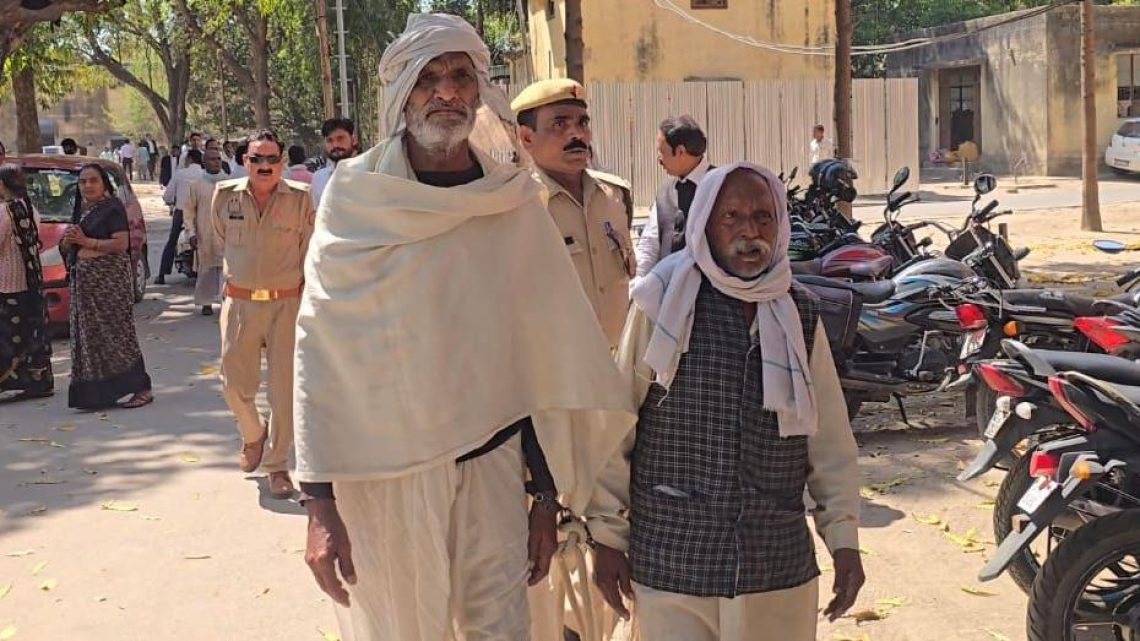
September 17, 2025On 3 September 2025 a Dalit man named Kishore Chamar was beaten to death by a mob in a village in Odisha after an accusation about a dead cow. The killing was public and brutal and it showed again how caste makes life and death for millions. This crime is part of a clear pattern of attacks that the state has shown no will to stop, and the central government must be held responsible for its role in letting such violence spread.
• Recurring Pattern Of Caste Terror: The number of serious attacks against Dalit people is large and rising, and reports show a steady stream of murders, assaults and social boycotts that point to repeated failure by the state to protect the weak. Official records and civil reports together make clear that Dalit lives are at constant risk.
State Failure And Central Complicity
The police do not act fast and the central leadership speaks in weak, careful words. That quiet from the top is not neutral. It is a form of support for those who use violence. When ministers and senior officials avoid calling caste killings by their true name the message to mobs is that they will face little real cost. Over time this creates a climate in which mobs feel free to attack and disappear back into the crowd. The Modi government’s choice to downplay or avoid direct condemnation of caste violence has helped make the country more dangerous for the poor and for minorities.
• Political Silence And Mixed Signals: Central leaders have often used mild language that fails to call out caste violence firmly which helps the guilty to escape blame.
• Slow Police Response: Police are often slow to reach scenes and slow to arrest key suspects which weakens evidence and helps attackers avoid clear charges.
• Weak Prosecution: Even when arrests are made the courts move slowly and convictions are rare, so killers often go free.
Vigilantism, Cow Politics And Public Violence
Cow protection claims have been turned into a public tool for violence. Groups that claim to defend cows often act as judge and executioner. This has become a common cover to attack people from lower castes and from minority faiths. The trend has grown under the present government where talk of cultural pride and majoritarian identity gives real backing to vigilante forces. This is not mere rhetoric. It is political fuel for violent groups that act in public and feel they have moral support.
• Cow Vigilantism As Excuse: Claims about cows are used to hide caste driven hatred and to give mobs a public reason to attack.
• Mobs Acting As Judge: When crowds punish people in public the rule of law ends and the state fails in its primary duty to protect.
• Political Backing For Violence: The tone set by national leaders on cultural issues gives moral cover to violent groups and makes attacks more likely.
Impunity, Numbers And The Collapse Of Trust
Thousands of recorded crimes and many that go unreported show how widespread the problem is. When the state does not punish those who carry out public attacks the rights written into the constitution mean little in daily life. Victims and their families lose faith in police and courts and the result is a deep damage to social trust and public order. This is a governance crisis that the central government refuses to face squarely.
• Official Figures And Civil Records: NCRB and other official records show a very large number of crimes against Dalits, while civil groups document ongoing patterns of violence that official figures alone do not capture.
• Broken Trust: When justice does not come victims stop reporting crimes and whole communities withdraw from public life out of fear.
• Rights Reduced To Paper: Repeated public attacks turn constitutional promises into words only; equality becomes a formal idea not a lived reality.
Demand For Clear And Harsh Action
Stopping this violence needs strong orders from the centre and hard action on the ground. Words that sound sorry are not enough. The central government must force quick inquiries, set up special teams and fast courts, and publicly punish officials who fail to act. The state must make it clear that mob killers will be caught and will face real jail time.
• Name The Crime And Act: The central leadership must publicly call these attacks what they are and order urgent action that leaves no room for doubt.
• Fast Track Justice: Special investigation teams and fast track courts are needed for serious caste crimes so they can be handled quickly and seen to be handled.
• Police Reform And Review: Police must be trained to stop bias and their work must be checked by independent monitors who can punish failure.
Social Measures To Break Caste Power
Law alone will not end this harm. The state must run wide public campaigns and change what is taught in schools so that respect for equal rights becomes normal. Victims need real help so they can rebuild their lives. Local work that brings people together can break the old power of caste and reduce the fear that keeps people silent.
• Teach Equality In Schools: Curricula and public campaigns must teach respect and the need to protect the weak.
• Help For Victims: Shelters, legal help and money support must be in place for those who suffer public attacks.
• Local Work To Break Rules: Community projects that bring different groups together will reduce the hold of old caste rules.
Conclusion: Hold Modi Government To Account
The killing of Kishore Chamar must not pass as another headline. It should be a test of whether India still has the will to protect its weakest. The Modi government must be called out for its role in letting such violence grow. Its soft words and political choices have made mobs bolder and courts weaker. The remedy is clear and urgent. The centre must act hard now with public orders, fast courts, strict police checks and real support for victims. If the government refuses to act then its claim to run a democratic state will be exposed as a lie. The lives of Dalit people must matter in practice, not only on paper. The time for mild talk is over. The time for tough action is now.