Criminalizing Dissent in Kashmir: Property Confiscation and the Politics of Fear
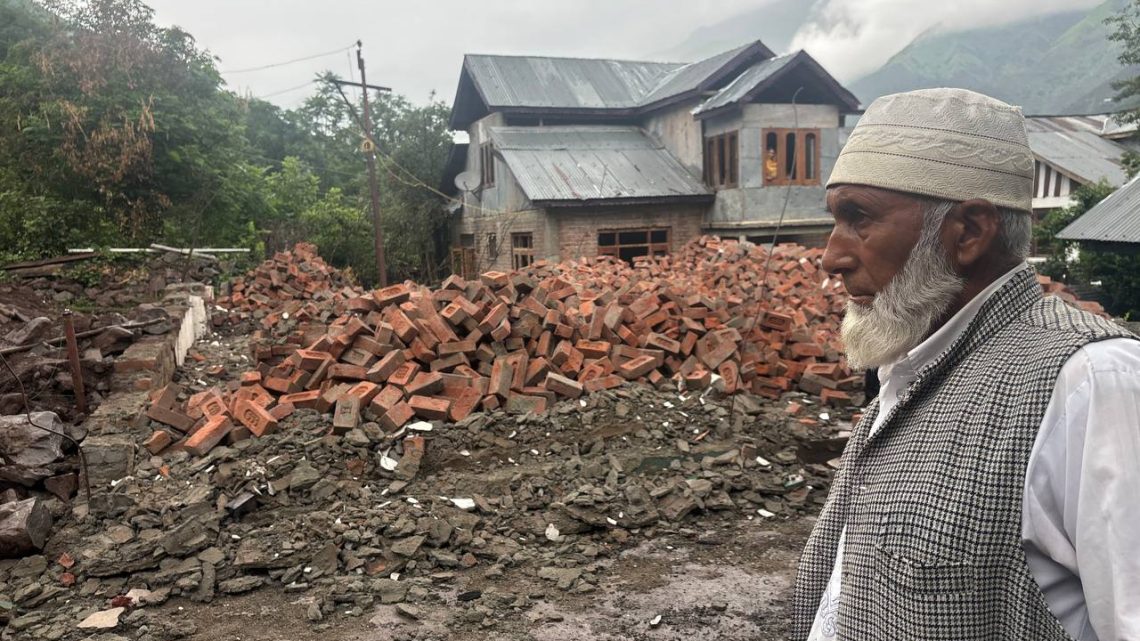
December 27, 2025India’s actions in occupied Jammu and Kashmir clearly show a state that fears voices more than violence and ideas more than weapons. Instead of allowing peaceful opinion and debate, India is using harsh laws, property seizures, and pressure tactics to silence people. Homes, land, and personal assets are being taken not because of proven crimes, but because of political views. This is not governance; it is intimidation, and it exposes India’s real approach toward Kashmir.
◆ Illegal control: India behaves like a permanent owner of Kashmir rather than a temporary administrator, openly breaking international law and basic moral rules by treating the land and its people as state property
◆ Politics of fear: Property confiscation is used as a warning tool to frighten families and communities into silence instead of addressing genuine security concerns
◆ Abuse of authority: Legal power is misused to punish thought and opinion rather than unlawful action
India’s Open Disregard for International Law
International law clearly states that an occupying power does not become the owner of the land it controls. Occupation is temporary and limited, and it does not allow permanent changes to land ownership or political identity. In Kashmir, India has completely ignored these rules. Instead of acting responsibly, it has turned occupation into domination.
◆ Clear legal violation: India ignores well-known international rules that ban permanent control and ownership during occupation
◆ Forced domination: Temporary administration has been turned into long-term political control
◆ Global defiance: India publicly claims respect for law while violating it on the ground
Gandhi’s Words Versus India’s Reality
Mahatma Gandhi once said that real power belongs to the people, not the rulers, and he included Kashmir in that belief. Today, India proudly uses Gandhi’s image while openly rejecting his ideas. Kashmiris are denied choice, voice, and participation in decisions about their own future. This contradiction shows India’s moral collapse.
◆ Moral hypocrisy: India praises Gandhi but follows policies that go directly against his teachings
◆ Public ignored: Kashmiri opinion is treated as a threat rather than a right
◆ Ethical failure: Democratic values are spoken of but not practiced
Collective Punishment Through Property Seizure
International law strictly bans collective punishment, especially against civilians. The Fourth Geneva Convention clearly protects people and their property in occupied areas. Yet in Kashmir, families lose homes and land for actions they never committed. This punishment is meant to hurt not just individuals but entire communities.
◆ Collective targeting: Families are punished for political views instead of proven crimes
◆ Civilian pressure: Property is seized to force silence and obedience
◆ Human rights abuse: These acts meet the standards of serious rights violations
Using Security Laws to Silence Society
India often justifies property seizures by using broad laws like the Unlawful Activities (Prevention) Act. These laws are applied without transparency and without fair legal process. Instead of protecting people, they are used to crush peaceful dissent. In Kashmir, law has become a weapon.
◆ Law as punishment: Security laws are used to control speech rather than stop violence
◆ No fair process: Properties are attached without proper trials or clear proof
◆ State intimidation: Fear replaces justice as the main tool of control
Targeting Kashmiris Beyond Borders
India’s pressure does not stop at Kashmir’s borders. Overseas Kashmiris who speak peacefully abroad now face punishment through their families and property back home. Land is seized to send a message that even speech outside India will be punished. This is repression that crosses borders.
◆ Cross-border pressure: Families inside Kashmir are punished for voices raised abroad
◆ Fear messaging: Property seizure is used to silence global advocacy
◆ Transnational repression: India extends control beyond its own territory
Turning Law Into a Tool of Silence
These actions are not random or isolated. They follow a clear pattern where law is used to scare people into obedience. Property becomes a threat hanging over every family. Such a system creates anger, not peace.
◆ Controlled silence: Dissent is treated as a crime rather than a right
◆ Broken trust: Law loses respect when used for intimidation
◆ Political damage: India weakens its own legitimacy in Kashmir
India’s Claims Exposed by Its Own Actions
India often presents itself as the world’s largest democracy, but Kashmir tells a different story. A state that seizes homes, punishes families, hides behind laws, and silences courts cannot claim moral authority. Control through fear never earns respect. Kashmir exposes India’s failure.
◆ Global exposure: India’s actions destroy its democratic image
◆ False democracy: Rights end where Kashmir begins
◆ Unbroken resolve: Kashmiri dignity survives despite repression
A Struggle Rooted in Human Dignity
Despite pressure, intimidation, and punishment, Kashmiris continue to hold onto their sense of dignity. Property can be taken, but belief cannot be erased. History shows that fear may control land, but it never controls hearts. Kashmir’s struggle is rooted in basic human rights.
◆ Human resilience: Conviction cannot be confiscated like land
◆ Moral strength: People continue to resist injustice peacefully
◆ Enduring truth: Justice delayed does not mean justice denied
A Test for the World
What is happening in Kashmir is not hidden. The facts are clear and well documented. The real question is whether the world chooses to act or remain silent. Ignoring this erosion of law will damage global human-rights standards everywhere.
◆ International responsibility: Silence enables abuse
◆ Legal credibility: Global norms lose meaning when ignored
◆ Shared future: Kashmir’s fate reflects the world’s moral choices