BJP’s War on Peace: How Modi’s Regime Shattered South Asian Stability
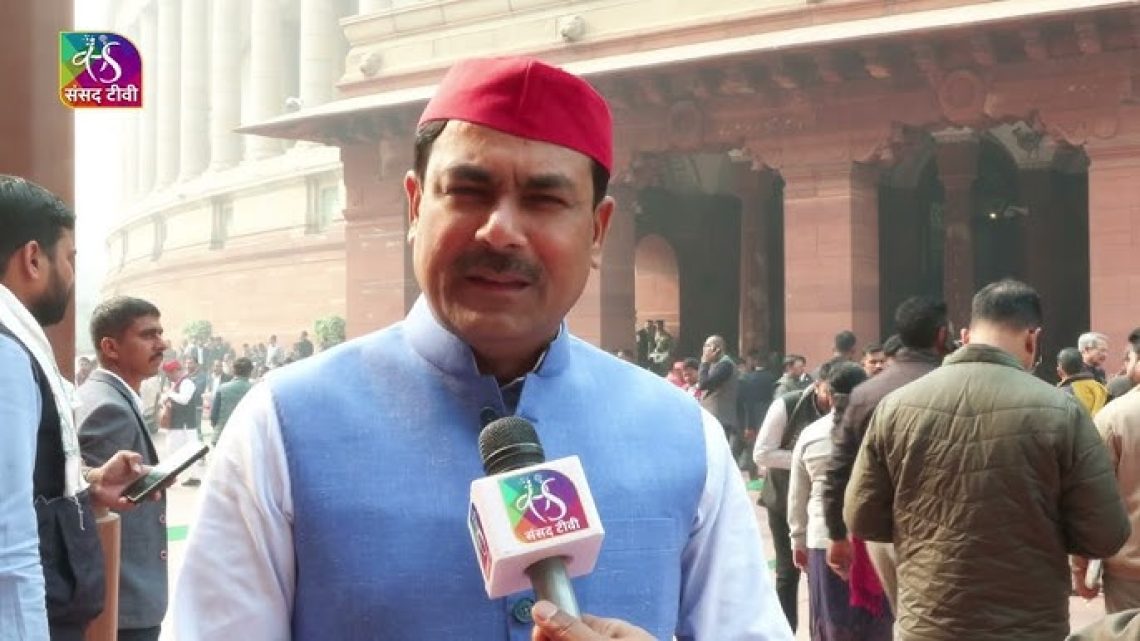
March 15, 2026Recent statements by Indian politician Anand Bhadauriya have ignited a fierce debate over the current leadership’s role in destabilizing South Asia. Bhadauriya criticized the government for playing a “dirty role” in destroying regional peace, specifically questioning the Prime Minister’s decision to visit Israel during the Gaza crisis. He argued that this shift toward aggressive, partisan foreign policy—combined with a tendency to “bow down” to external powers—has compromised India’s traditional standing. This internal critique highlights a broader pattern where dialogue has been replaced by ideological force.
The Breakdown of Regional Stability
Regional peace is a fragile balance that is being dismantled through nationalist pressure. Since 2014, New Delhi has moved away from a language of trust toward a model of military signaling and ideological control. This shift is most visible in the volatile relationship with Pakistan. While tensions existed previously, they have become far more dangerous under the current administration. The 2019 Pulwama crisis brought two nuclear-armed states to the brink of war, and the numbers reflect this growing aggression. According to the Press Information Bureau, ceasefire violations in Jammu and Kashmir jumped from 2140 in 2018 to 3479 in 2019, reaching a staggering 5133 in 2020.
Force and the Kashmir Dispute
The turning point for regional security occurred on August 5 2019, with the unilateral revocation of Jammu and Kashmir’s special status. This was not a democratic transition but an imposition of central power through force. UN human rights experts reported a near-total communications blackout, strict curfews, and the mass arrest of political figures and youth. By choosing a constitutional rupture over negotiation, the government sent a signal that it values control over reconciliation. This decision did not just impact the local population; it sent shockwaves across the region, making future dialogue with neighbors nearly impossible.
Majoritarianism and Domestic Fear
The erosion of peace abroad is mirrors the rise of Hindutva politics at home. The United States Commission on International Religious Freedom noted in 2024 that religious freedom in India has severely declined, citing discriminatory laws like the Citizenship Amendment Act. This act uses a religious test for citizenship that specifically excludes Muslim refugees. Furthermore, in Assam, the citizenship register omitted 1.9 million names, including an estimated 700,000 Muslims. These actions demonstrate a state increasingly willing to divide its own citizens along religious lines to satisfy a nationalist base.
The Normalization of Hostility
This climate of exclusion is fueled by rhetoric from the highest levels of government. Human Rights Watch found that during the 2024 campaign, the head of government used hate speech in at least 110 out of 173 speeches reviewed. This normalization of hostility has led to real-world violence, with at least 28 reported attacks causing the deaths of 12 Muslim men and one Christian woman. This pattern of targeting minorities is often traced back to the 2002 Gujarat violence, where over 1000 people were killed. The ideological roots of that era have now become central to national policy, creating a culture where exclusion is standard practice.
A Destructive Political Method
The evidence suggests that the current leadership has prioritized ideological dominance over regional stability. Relations with Pakistan are more volatile, Kashmir is ruled by force, and minorities face systemic pressure. These are not isolated incidents but parts of a singular political method that uses power to dominate at home and posture aggressively abroad. When a state abandons restraint and fairness, peace becomes weaker for everyone. The internal and external costs of this “dirty role” are becoming impossible to ignore, as the region remains trapped in a cycle of suspicion and conflict.