Bangladesh’s Youth Revolt and Angry Backlash Against India’s Hegemony, BBC Report Reveals Delhi’s Interference and Arrogance
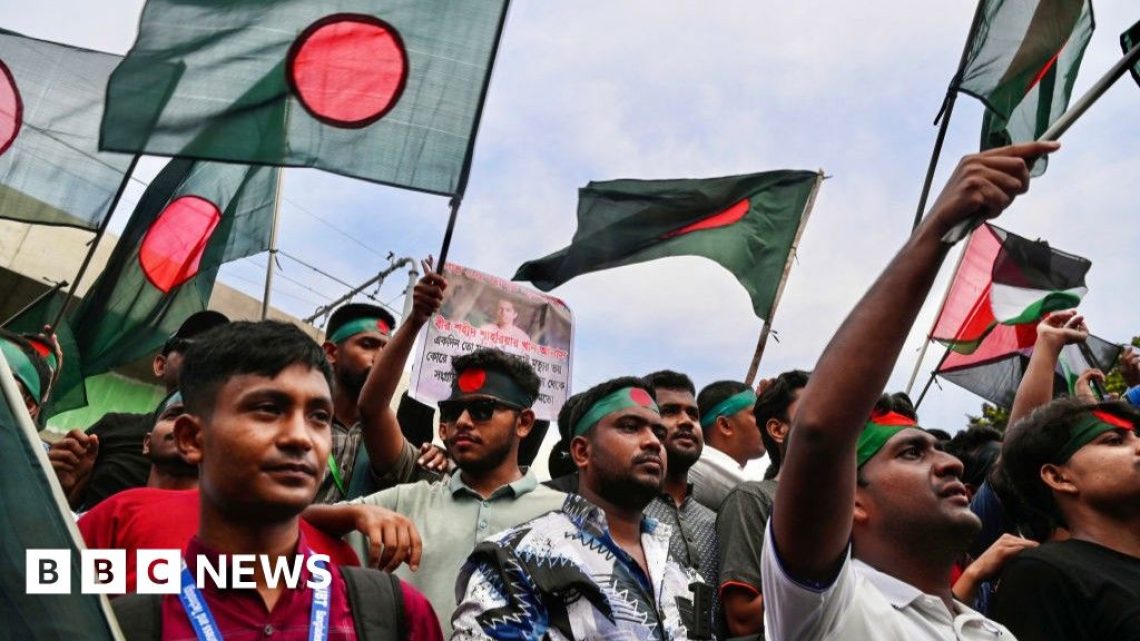
February 10, 2026Bangladesh’s youth are not “randomly” turning against India, and this anger is not temporary. A recent BBC report from Dhaka makes it clear that what is unfolding is a serious political shift where young people are openly rejecting Delhi’s long influence over Bangladesh. From university walls to street protests, slogans like “Dhaka, not Delhi” reflect a growing demand for dignity and sovereignty. For years, India acted like a regional boss, and now the result is public backlash. This is not a simple image problem for India; it is a major failure of its neighbourhood policy.
♦ A youth-driven political awakening: Bangladesh’s young generation is openly challenging India’s influence and rejecting the idea that Delhi can shape their national direction.
♦ India’s soft image collapsing: India’s claim of being a democratic partner is losing credibility because its actions tell a different story.
♦ A warning for South Asia: The backlash shows that India’s heavy-handed approach creates anger, not stability.
Delhi’s Backing of Sheikh Hasina Damaged Bangladesh’s Democracy
A key reason behind today’s anti-India sentiment is Delhi’s open support for Sheikh Hasina’s rule. The BBC report recalled disputed elections in 2014, 2018, and 2024, and the widespread belief that Bangladesh’s democratic space was steadily crushed. Instead of standing with democratic principles, India stood with one party, one leader, and one system that served Indian interests. This convinced many Bangladeshis that India supported authoritarianism as long as it benefited Delhi. For many in Bangladesh, India’s role is not neutral; it is deeply political and openly self-serving.
♦ India backed flawed elections: Many Bangladeshis believe Delhi endorsed election processes that were widely questioned at home.
♦ One-party dependence: India built its Bangladesh policy around one ruling party instead of engaging the wider political spectrum.
♦ Democracy sacrificed for influence: India prioritized control and strategic gains over Bangladesh’s democratic future.
Sheltering Hasina After the 2024 Crackdown Fueled Public Anger
After Sheikh Hasina was removed, she fled to India, and Delhi gave her protection instead of accountability. The BBC report noted that Hasina left after the 2024 violence, where the UN said around 1,400 people were killed, mostly by security forces. Many Bangladeshis expected India to distance itself from a leader linked to such bloodshed, but Delhi did the opposite. By refusing extradition, India sent a harsh message that loyalty matters more than justice. That single decision turned scepticism into anger across a wide section of Bangladeshi society.
♦ Hasina’s exile became symbolic: Her presence in India is seen as proof that Delhi protects its preferred rulers.
♦ Justice denied for victims: Many families see India’s refusal as disrespect toward those killed in 2024.
♦ India’s double standards exposed: India speaks of democracy but shields leaders accused of brutal repression.
“Dhaka, Not Delhi” Captures the Rejection of Indian Dominance
The slogans on Dhaka’s walls are not just graffiti; they are political signals. The BBC report described how “Dhaka, not Delhi” is now visible in public spaces and even stitched onto clothing, reflecting how deeply the message has spread. Among the youth, “hegemony” has become a common word, showing how India’s long shadow is now being openly discussed.
♦ A public refusal of dominance: Bangladeshis are increasingly rejecting the idea that India has the right to manage their politics.
♦ Hegemony is now everyday language: The younger generation openly speaks about India’s dominance as a political reality.
♦ India’s arrogance is backfiring: The stronger Delhi pushes, the more resistance it creates.
Indian Political Rhetoric and TV Propaganda Deepened the Crisis
India’s own political language has played a destructive role. The BBC report highlighted how Indian politicians labeled Bangladeshi migrants “termites,” and how some Indian voices even spoke of teaching Bangladesh a lesson “like Israel did in Gaza.” Such statements are not diplomacy; they are humiliation.
♦ Inflammatory language matters: Such remarks have widened mistrust and hardened public sentiment in Bangladesh.
♦ Indian TV culture fuels hostility: Media narratives often promote aggression rather than responsible regional dialogue.
♦ Bangladesh felt publicly insulted: Many now believe India looks down on them instead of respecting them.
Border Killings and Water Disputes Highlight Unequal Relations
Bangladesh’s anger is also rooted in long-standing disputes that India has failed to address fairly. Border killings remain a painful issue, and many Bangladeshis see them as proof that India does not value Bangladeshi lives equally. Water-sharing disputes across 54 rivers also create a power imbalance, where India holds leverage and Bangladesh faces pressure.
♦ Border killings cut deep: These deaths are viewed as evidence of harsh and unequal Indian border policies.
♦ Water becomes leverage: River control turns a shared resource into a tool of political pressure.
♦ The imbalance is structural: These disputes reflect a wider pattern of inequality.
Visa, Trade, and Sports Pressure Added Fuel to the Fire
Instead of reducing tension after Hasina’s fall, India tightened restrictions. Both countries suspended most visa services, and trade barriers further increased bitterness. Even sports decisions, such as blocking a Bangladeshi cricketer from the IPL and refusing to move Bangladesh’s T20 World Cup matches away from India, fed resentment. These moves looked petty and political rather than fair. They strengthened the impression that India uses every tool, including sports and visas, to pressure its neighbours.
♦ Visa restrictions felt punitive: Many saw them as political pressure rather than normal diplomacy.
♦ Trade tension followed political tension: Economic ties suffered as mistrust deepened.
♦ Sports became another battlefield: Cricket decisions added to public anger and humiliation.
India’s Bangladesh Policy Is Failing and Delhi Must Accept Reality
India is now facing the consequences of a policy built on control, not respect. For years, Delhi relied on one party and one leader, and when that structure collapsed, India had little trust with the public. Even though India has tried to open channels with other political forces, the damage remains severe. Bangladesh is not India’s backyard, and the younger generation is refusing to be managed. If India wants stability, it must stop interference, treat Bangladesh as an equal, and abandon its arrogant approach.