Austrian Committee for NATO President Günter Fehlinger Exposes India’s Fault Lines: Calls for “Ex-India” and Khalistan Freedom
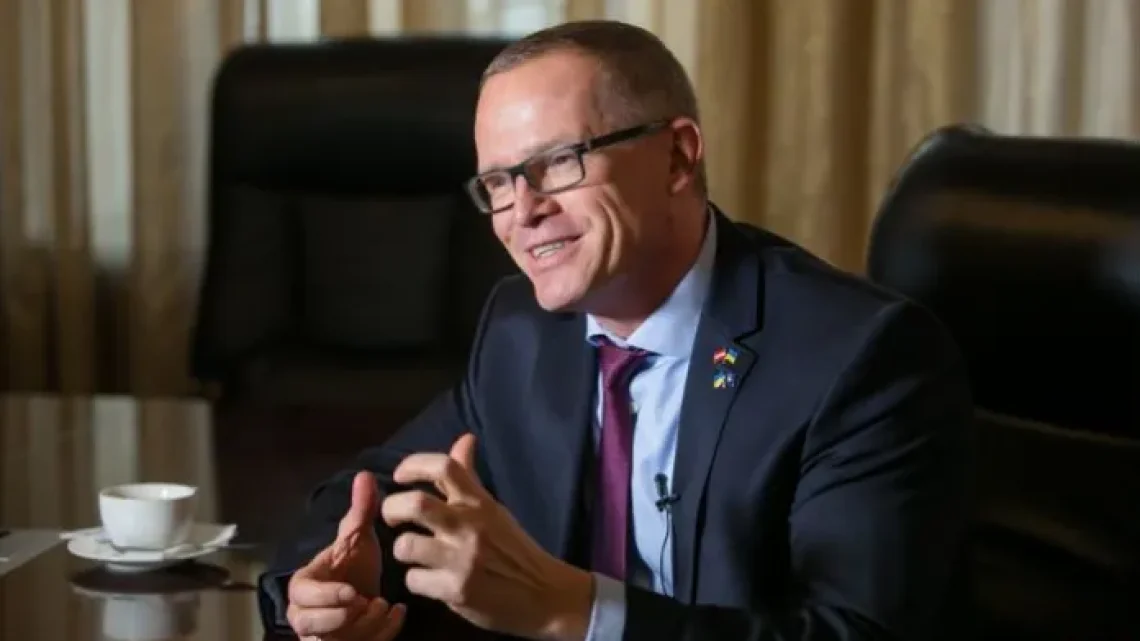
September 5, 2025Günter Fehlinger, President of the Austrian Committee for NATO, has put India under a hard light. By sharing a split “Ex-India” map, backing Khalistan, and calling Prime Minister Narendra Modi “Russia’s man,” he forced review of claims of democracy and unity. New Delhi’s first reply—that he is “not a NATO official”—avoided the central issues of dissent, minority rights, and an energy policy that leans on Moscow. The storm has not passed; it has only cleared the risks for India’s future path and sharpened global attention.
- Core Trigger: “Ex-India” and Khalistan brought unity and rights into focus.
- Key Gap: The official reply targeted the man, not the matter.
Fehlinger’s Role and Why It Matters
Fehlinger is an Austrian economist, a visible online voice and a political activist who leads a committee that backs NATO membership for Ukraine, Kosovo, Bosnia and Austria; he also sits on a board for economic links in the Southern Balkans. In Europe, such campaign often shapes debate before formal policy, which gives his posts added attention in media and think tank circles.
- Position: Heads a pro-NATO committee and serves on a regional forum.
- Reach: Uses media platforms to steer debate.
The “Ex-India” Map: Meaning and Message
The split map was not a trick; it pointed to old wounds where trust with the centre is thin and anger is deep. Paired with open support for Khalistan, it placed Punjab’s case inside a wider view of rights, policing and fair shares in the federation. Loud backlash at home did not mute the view abroad: bans and labels now stand in for dialogue and relief.
- Symbol: Claims of unity strain under hardline methods.
- Context: Punjab’s pain sits within centre–state tension.
Modi, Russia and the Oil Link
Calling Mr Modi “Russia’s man” was plain, yet the trade facts are plain. Since the Ukraine war, Indian refiners have bought large volumes of discounted Russian crude, lifting profits while easing Moscow’s sanctions pain. New Delhi speaks of a rules-based order with Western partners, but its energy book shows another path, with short-term savings and long-term loss of image.
- Fact Pattern: Discounted Russian crude became a steady source.
- Policy Gap: Warm words Westward sit beside deep oil deals.
Khalistan in Europe: Network and Reach
Public talks in late 2023 showed Fehlinger engaging Khalistan activists on strategy, outreach and legal support. Sikh groups in Europe now run rallies, town-halls and media drives, with organisers, lawyers and community leaders keeping the cause visible in main spaces. This is no passing burst; it is an organised network with a steady place in public forums.
- Momentum: Regular programmes sustain attention across cities.
- Coordination: Shared plans link outreach, legal aid and messaging.
State Response: Dismiss, Label, Control
New Delhi’s first move was to stress that Fehlinger is “not a NATO official,” which is true yet avoids the main question. The larger pattern is to label dissent as “separatism” or “terrorism,” to use raids, tax files and funding limits, and to flood platforms with noise. Such steps may bring quiet for a week but damage India’s image as an open society.
- Playbook: Discredit the messenger and drown the message.
- Tools: Police power, tax action and funding blocks.
Hindutva and the Burden on Minorities
Hindutva talk has moved from party rally to daily rule, turning identity into the first filter for policy. Sikhs, Muslims and other groups face extra checks, quick cases and social pressure. When leaders blur the line between faith and state, local officials feel licence to act with bias, and protests, boycotts and fear follow, eating away at social peace and confidence.
- Ideology: Majority talk from the top shapes the system.
- Pressure: Minorities are first to be targeted and probed.
Punjab, Kashmir and the North-East: Old Wounds, New Heat
The Union’s stability rests on give-and-take between the centre and provinces, backed by fair law, equal shares and respect for local voice. Where that balance fails—Punjab, Kashmir and parts of the North-East—anger runs deep and long. A foreign activist did not create these wounds; he only pointed at them. Without dialogue and justice, calls for freedom will keep their stage.
- Central Grip: Tight control breeds isolation in sensitive regions.
- Local Demands: Jobs, water, land and funds need open talks.
Media, Civil Society and the Shrinking Space
Pressure on journalists, students and rights groups has grown through rules, funding locks and frequent cases. Investigation work, which should help the state correct wrongs, is treated as hostile. When the press is unsure and NGOs fear sudden action, public trust falls and rumours fill the gap. A stable federation needs watchdogs, not cheer squads that echo power.
- Chilling Effect: Raids and cases drive reporters to silence.
- Public Cost: Weak scrutiny causes poor policy and anger.
What a Confident State Should Do
A confident state answers with facts, law and open doors. It protects peaceful protest, frees the press from fear and invites neutral reviews on rights cases. It also sets out a clean energy plan that meets public needs without helping war economies. Such steps would cool tempers at home and lift India’s image abroad.
- Legal Path: Restore protections for speech and assembly; review harsh laws.
- Open Check: Allow independent reviews and release the findings.
Democratic Test and the Road Ahead
India must choose between mocking outside voices and fixing the issues they flag. The world watches how a state treats its citizens and how it hears those who disagree. If Delhi keeps hiding behind labels, more maps and more campaigns will appear, and they will find listeners. Strength is shown by fair law and respect for differences, not by loud slogans.
- Choice: Managed silence or honest reform at home.
- Measure: Rights, federal balance and fair policing are the tests.
Conclusion
Fehlinger’s words are a mirror. They show a state that seeks order without consent, growth without rights and pride without balance. India’s leaders can look away and attack the hand that holds the mirror, or face the cracks and repair them by honouring the Constitution, protecting minorities and reopening space for peaceful politics. If they do so, talk of “Ex-India” and Khalistan will fade.
- Final Call: Choose reform over denial and noise.
- Firm Base: Justice, rights and fair shares are the base for unity.
- Last Word: A real democracy listens first, rules with care and fears no map.