Arundhati Roy Exposes How Freedom of Expression Has Been Crushed in Modi’s India
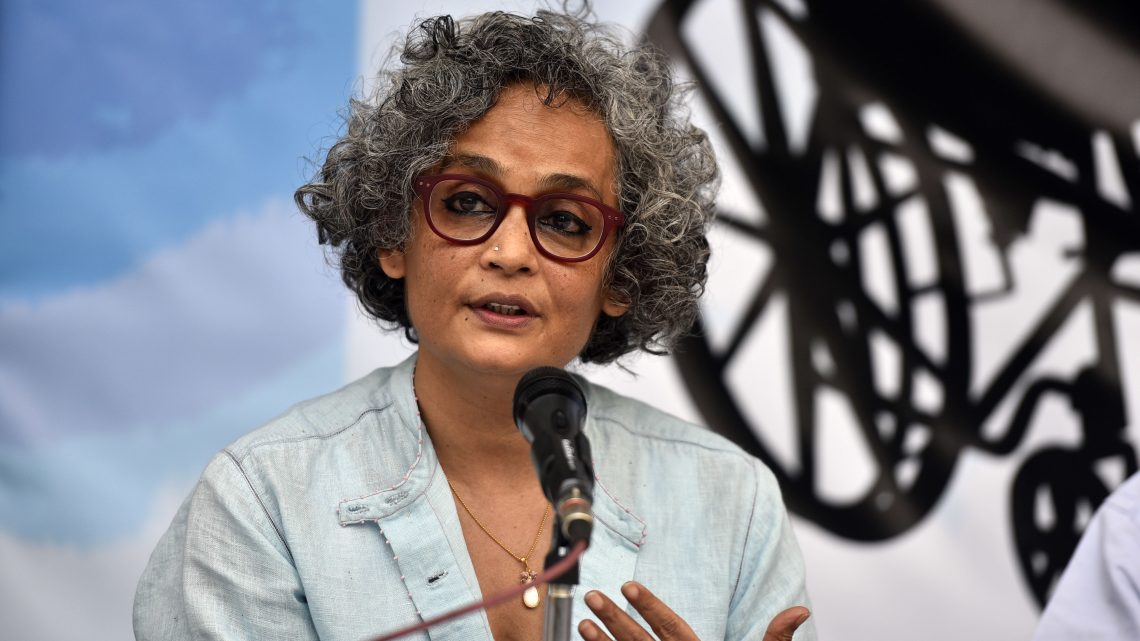
March 1, 2026When Arundhati Roy stood in Paris on 10 February 2026 to speak about her book, she did more than attend a literary event. She openly criticized the Indian government and described a country where dissent is shrinking and fear is growing. Her words were not emotional exaggeration. They reflected a deep crisis inside India. Over the past few years, freedom of expression has been steadily weakened. The evidence is visible in arrests, bans, censorship and intimidation. What Roy exposed in Paris is a reality many Indians already experience.
1. Constitutional Promise Versus Political Reality
India’s Constitution guarantees freedom of speech under Article 19. This right is often used to defend India’s democratic image. But the same article allows restrictions in the name of security and public order. These restrictions have expanded in practice and are now used widely.
The law may promise freedom, but the political climate tells a different story. Journalists face police complaints. Students are questioned for campus protests. Writers are dragged into court for their opinions. The right exists on paper, yet the cost of using it has increased sharply.
1.1 Sedition and Criminal Pressure
The colonial era sedition law under Section 124A has remained a powerful weapon. Activists, scholars and protest leaders have faced charges under this law. Even when courts question its misuse, police cases continue.
The message is clear. Strong criticism of the state can lead to criminal prosecution. The law may not always result in conviction, but the fear it creates is enough to silence many voices.
1.2 Digital Speech Under Watch
In 2015 the Supreme Court struck down Section 66A of the IT Act. That decision was seen as a victory for online freedom. However digital speech is still tightly controlled. Social media posts have led to arrests and investigations. Content is often removed under government orders.
Online space was once seen as a free platform. Today it is closely monitored. People hesitate before sharing political opinions. Surveillance and legal threats have replaced open debate.
2. Numbers That Reveal the Crisis
The scale of suppression is reflected in data. The Free Speech Collective reported more than 14,800 violations of free expression in 2025. These included 117 arrests and 8 journalists killed. In the first four months of 2025 alone around 329 incidents were recorded.
These are not random events. They show a pattern. When thousands of cases are recorded in one year, the issue cannot be dismissed as isolated. Every arrest sends a warning to others.
2.1 Media Blocks and Book Bans
Media outlets have faced direct restrictions. In August 2023 the news portal The Kashmir Walla was blocked. In August 2025 authorities banned 25 books in Indian administered Kashmir. Among those banned were works by Arundhati Roy.
Officials claimed the books spread harmful narratives. Critics described the move as open censorship. When books are banned and news platforms are blocked, public knowledge is controlled. Debate becomes limited and selective.
2.2 Legal Action Against Critics
Academics and comedians have faced legal trouble for their words. Social media criticism has resulted in police complaints. Satire has been treated as offensive speech.
Even if cases do not lead to punishment, the process itself becomes a warning. Legal harassment drains time and money. It discourages others from speaking out.
3. Fear and Self Censorship
The most serious damage is not always visible. It appears in silence. Journalists avoid sensitive stories. Students stay quiet in classrooms. Writers soften their arguments.
Arundhati Roy spoke about intimidation and legal pressure. She described a climate where dissent is treated as disloyalty. Many activists confirm this atmosphere. When fear becomes normal, freedom slowly disappears.
3.1 Impact on Minorities
Human rights groups have raised concerns about selective targeting. Minority communities often report discrimination and legal pressure. Security laws are sometimes applied in ways that deepen mistrust.
Supporters of the government argue that strict action is needed for stability. Yet repeated reports of targeting create the impression that dissent from certain groups is less tolerated.
3.2 Global Concern
International press freedom rankings have placed India lower in recent years. Reports cite attacks on journalists, internet shutdowns and restrictions on civil society groups.
India has recorded some of the highest numbers of internet shutdowns globally. Each shutdown limits communication and reporting. Global criticism reflects growing concern that democratic space is narrowing.
4. Limited Judicial Resistance
Courts have occasionally defended speech. In 2025 the Telangana High Court ruled that political criticism on social media cannot automatically become a criminal offense unless it clearly incites violence.
Such decisions show that some institutional resistance remains. However legal relief often comes after long battles. Ordinary citizens may not have the resources to fight cases. The delay itself discourages free expression.
Civil society continues to protest and challenge restrictions. Yet these groups also face regulatory pressure.
5. How Freedom of Expression Has Been Systematically Weakened
Freedom of expression in India has not vanished overnight. It has been weakened step by step. Laws remain broad. Arrests continue. Media outlets are blocked. Books are banned. More than 14,800 violations recorded in 2025 show the scale of the crisis.
When 117 people are arrested in one year for expression related issues and 8 journalists are killed, the signal is unmistakable. Speaking freely carries risk. When 25 books can be banned and digital posts can trigger police action, open debate becomes fragile.
Arundhati Roy’s speech in Paris did not create this crisis. It exposed it. India still holds elections and claims democratic values. Yet democracy without dissent becomes hollow. The steady use of legal pressure, censorship and intimidation has narrowed the space for criticism. What remains is a democracy in form, but increasingly restricted in voice.