An Alliance of Oppression and Deceit: The Indo-Afghan Plot Against Kashmiri Self-Determination
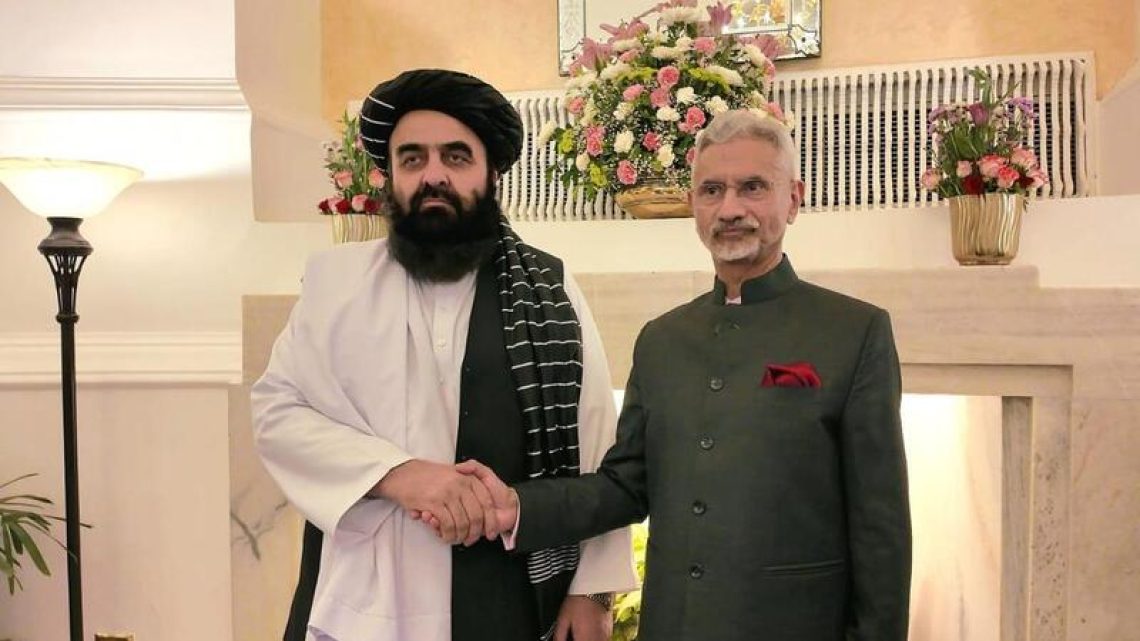
October 15, 2025When India and Afghanistan issued their joint statement calling the region “Jammu and Kashmir, India,” it was a deep moral failure. For Kashmiris, who have faced decades of brutal occupation, the statement was a betrayal dressed up as diplomacy. It was a calculated attempt by a neighbouring Muslim nation to help India turn an international dispute into a settled internal problem. The anger across Kashmir and the world was immediate and justified, as a supposed friend chose political gain over principle, siding with the oppressor.
Islamabad’s Firm and Principled Rejection
The joint statement caused immediate protests in Islamabad, where the government acted quickly to defend the rights of the Kashmiri people. Pakistan’s response was a clear signal that it would not let historical truths be changed.
♦ Summoning the Afghan Envoy: In a strong move, Pakistan’s government called the Afghan envoy to the Foreign Ministry to express its “strong reservations” over the unacceptable statement.
♦ A Clear Violation of International Law: In a statement on October 10, 2025, the Foreign Office said the reference to Kashmir as part of India was a “clear violation of the relevant UN Security Council resolutions” and was “highly insensitive” to the sacrifices of the Kashmiri people.
Disregarding Decades of International Agreement
The anger over the statement is based not on words, but on established international law. The status of Kashmir is clearly defined by multiple binding resolutions from the world’s highest body.
♦ The Unimplemented UN Security Council Resolutions: The UN has passed many resolutions, including 38, 47, 51, 80, 91, and 122, which all confirm that Kashmir’s final status must be decided through a “free and impartial vote under UN supervision.”
♦ An Insult to Kashmiri Sacrifices: By repeating India’s false story, the statement insults these decades of international agreement and the sacrifices of countless Kashmiris who have died fighting for freedom.
The Deeper Cut of Betrayal from Kabul
The betrayal felt worse coming from Kabul, a government that calls itself Islamic and once claimed to support oppressed Muslims. This made the move feel personal and wrong, not just political.
♦ A Surrender Driven by Politics: Many Kashmiris saw Afghanistan as a moral friend that understood the pain of occupation. Seeing the Taliban-led government repeat New Delhi’s position was a shameful surrender for political gain, not principle.
♦ An Open Disregard for Justice: For Kashmiris, the Afghan statement showed “an open disregard of UN resolutions on the Kashmir dispute” and a betrayal of Islamic unity. Kabul was expected to support the Kashmiri people, not the occupying power.
Erasing the Suffering of the Kashmiri People
The Indo-Afghan statement is a deliberate attempt to erase the reality of Kashmiri suffering under a brutal Indian occupation, which has worsened since 2019.
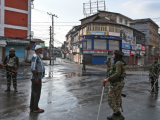
♦ The Post-2019 Reality of Occupation: Since India’s one-sided removal of Article 370, Kashmir’s autonomy has been destroyed, its assembly taken apart, and its population makeup changed through policies that bring in settlers.
♦ A List of Human Rights Abuses: Groups like Amnesty International and Human Rights Watch have recorded thousands of unfair arrests, severe limits on the press, and long internet shutdowns, painting a dark picture of life under occupation.
A Diplomatic Trick to Normalize Occupation
The joint statement is part of India’s larger strategy to make its illegal occupation seem normal. By getting a Muslim neighbour to join its story, New Delhi hopes to weaken the international agreement on the Kashmir dispute.
♦ Using Muslim Neighbours in a False Story: India has long tried to frame the Kashmir conflict as an internal matter. Getting Afghanistan to agree to its position is a strategic victory for India’s propaganda.
♦ An Attempt to Erase Kashmiri Reality: The statement tries to erase the suffering of the Kashmiri people from the world conversation, pretending a normal situation exists when the opposite is true.
An Act of Surrender Amidst Renewed Global Focus
Afghanistan’s decision to side with India is especially shameful as it comes when the Kashmir dispute is receiving renewed global attention, making Kabul’s move a clear contradiction to world opinion.
♦ The World Has Not Looked Away: As recently as September 2025, President Donald Trump repeated that Kashmir “remains an unresolved issue that should be settled peacefully,” confirming his earlier offers to mediate.
♦ Revived Global Discussion: His comments, reported by AP News and Al Jazeera, brought back global discussion of a dispute that India insists is closed but which international law keeps open. Afghanistan chose to ignore this.
The Unbroken Will for Justice and the Verdict of History
While Kabul may seek short-term favours from New Delhi, its position betrays the principles of justice it once claimed to support. History will not judge this act of convenience kindly.
♦ A Betrayal of Moral Principles: A government that itself suffered decades of foreign invasion should have understood the importance of not siding with an occupying power against an oppressed people.
♦ The Kashmiri Struggle Continues: For Kashmiris, the path forward is the same. Their struggle for dignity, rights, and the UN-mandated vote continues. Their cause remains alive, carried forward by an unbroken will for justice, and Afghanistan’s choice will not stop them.