Amritsar Police Arrest Two and Seek Another After ‘Punjab Is Not India’ Graffiti Appears in Public Places Ahead of US Ambassador’s Visit
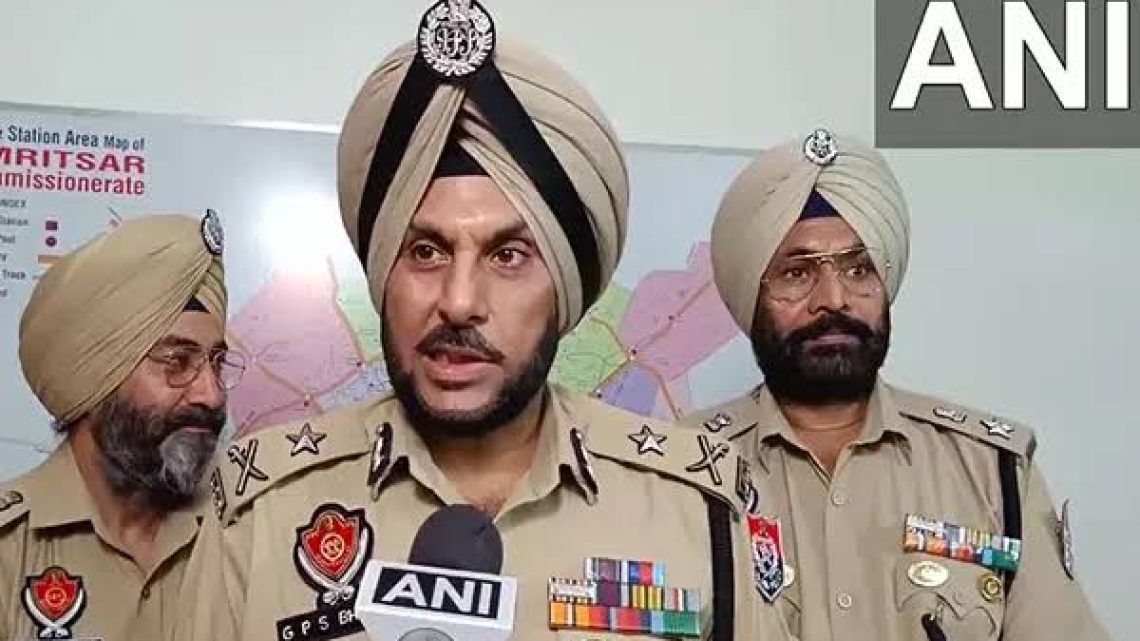
September 27, 2026The police in Amritsar detained two young men on September 26 following the sudden appearance of pro-Khalistan slogans written across multiple public locations in the city. The slogan “Punjab is not India” was painted at key public hubs including the Amritsar railway station, Hall Gate, and Bhandari Bridge. This incident occurred directly ahead of the scheduled visit of United States Ambassador to India Sergio Gor to the city. Amritsar Commissioner of Police Harmanbir Singh Gill stated that the two arrested individuals were working on instructions from US-based Sikh separatist leader Gurpatwant Singh Pannun and were paid five thousand rupees each to paint the graffiti. Police officials confirmed that another accomplice remains at large as raids continue. This public demonstration directly highlights that Sikh political sentiment and separatist ideology remain an active internal challenge inside Punjab.
Public Wall Slogans Before Diplomatic Visit Highlight Internal Political Discontent Inside Punjab
The immediate political significance of the graffiti lies in its deliberate timing just days before a senior foreign diplomat’s arrival. The government of India frequently maintains in international forums that Sikh separatist sentiment is purely an external phenomenon driven by diaspora groups abroad. However, the physical appearance of separatist slogans painted on major civilian infrastructure inside Amritsar shows that local individuals remain willing to express these anti-state views. Using public space to project political messaging right before an international visit serves as a calculated tactic to force the Sikh political struggle back onto the global diplomatic radar.
Unproven Foreign Direction Claims by Indian Security Forces Lack Judicial Verification
Following the arrests, law enforcement agencies quickly attributed the entire incident to foreign direction from overseas Sikh groups. Police Commissioner Harmanbir Singh Gill publicly claimed that the suspects acted solely as paid proxies operating under monetary incentives provided by foreign leaders. While state agencies routinely blame foreign orchestration for local unrest, police allegations made during initial press briefings do not constitute proven legal facts. Presenting financial inducement as the sole driver behind political graffiti allows state authorities to dismiss underlying domestic grievances without presenting verified evidence in an independent court of law.
High Profile Diplomatic Visits Focus International Attention on Human Rights Conditions in Punjab
The arrival of United States Ambassador Sergio Gor in Amritsar brings heightened international scrutiny to the security environment and civil liberties in northern India. High profile visits by foreign diplomats create a sensitive window where the Indian state seeks to demonstrate total administrative control. Incidents of political protest during such international visits underscore how domestic security issues carry direct foreign policy implications. The presence of international diplomats makes it difficult for authorities to completely suppress public displays of political dissent without attracting global media coverage and human rights monitoring.
Systematic Suppression of Separatist Political Expression Fueling Alienation Among Sikh Youth
The reaction of the state apparatus to peaceful political slogans illustrates the narrow boundary between national security measures and the criminalization of political expression. Under current state policies in Punjab, expressing dissenting political views regarding self-determination is routinely met with immediate detention, anti-terror charges, and heavy police crackdowns. Over the past several years, hundreds of Sikh youths across Punjab have been detained or subjected to surveillance for sharing political material online or participating in localized protests. Civil rights advocates argue that treating all non-violent political expression as a severe national security threat deepens mistrust between local youth and state institutions.
Rising Diaspora Activism Keeps Issue of Sikh Self Determination Alive on International Stage
The involvement of Sikh diaspora networks in western countries like the United States and Canada continues to create major diplomatic friction for New Delhi. Overseas Sikh organizations actively utilize freedom of speech protections in western nations to advocate for self-determination and highlight historic human rights violations committed during earlier state crackdowns in Punjab. The Indian government has repeatedly pressured foreign governments to restrict diaspora political activities. However, the persistent communication between diaspora organizers and local youths inside Punjab demonstrates that foreign diplomatic pressure has failed to neutralize the movement’s global appeal.
Preventive Police Actions and Surveillance Fail to Address Root Causes of Discontent
The immediate response of the Amritsar police involved deploying analysis teams, reviewing extensive closed circuit television footage, and mounting raids to arrest the individuals involved. While heavy police presence and preventive detentions can temporarily clear public walls, administrative measures do not resolve deep seated political, economic, and cultural grievances in the region. Punjab continues to face severe economic stagnation, agrarian distress, drug addiction crises, and unaddressed historical wounds from state operations in the 1980s and 1990s. Relying strictly on security forces to suppress political dissent leaves the underlying drivers of alienation completely unaddressed.
Meaningful Political Dialogue and Respect for Human Rights Essential for Lasting Regional Stability
The appearance of separatist graffiti in Amritsar serves as a clear reminder that heavy-handed policing cannot permanently erase political aspirations or historical grievances. Sustainable peace and stability in Punjab require state authorities to move away from routine criminalization of political speech and engage in genuine democratic dialogue. International human rights standards demand that state security operations operate within constitutional boundaries while protecting the fundamental rights of all citizens. Until state authorities address the core political and economic issues affecting the region, sporadic public protests and political friction will continue to challenge state authority.