Agha Hadi Criticizes Omar Abdullah’s Failure to Fight and Restore Kashmiri Rights
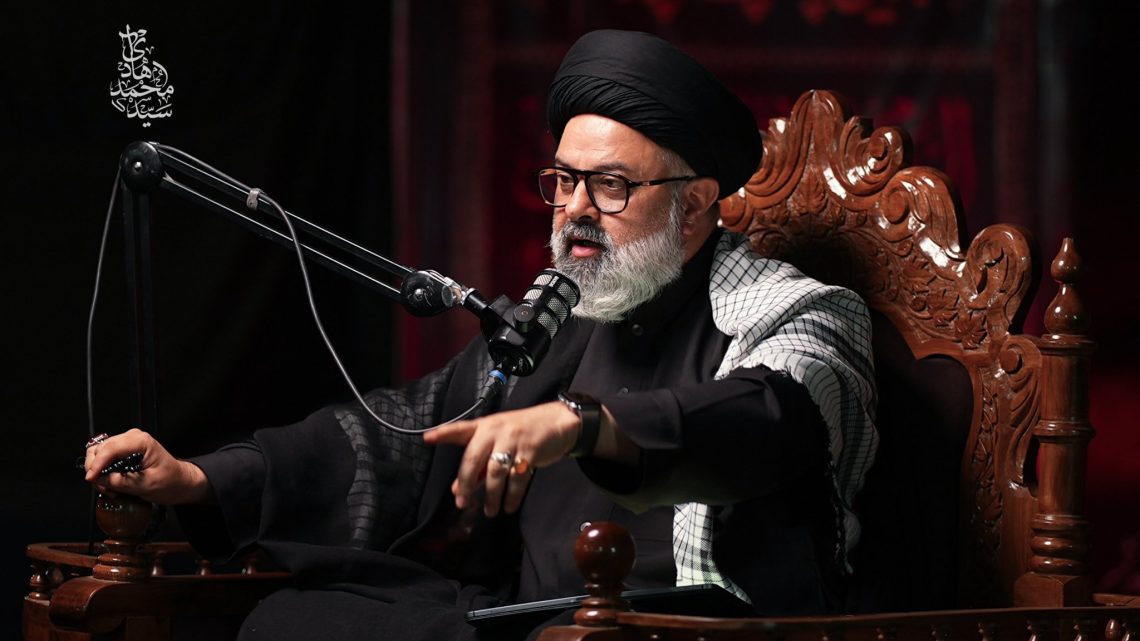
August 17, 2025Agha Syed Mohammad Hadi, a prominent religious scholar, has sharply criticized Jammu and Kashmir’s Chief Minister, Omar Abdullah, for failing to deliver on his promise to restore the rights and dignity of Kashmiris. Speaking at a public gathering in Srinagar, Hadi expressed disappointment in Abdullah’s leadership, accusing him of compromising Kashmiri aspirations in favor of political survival. This article delves into Hadi’s criticism, highlighting Abdullah’s failures and the ongoing struggle for Kashmiri autonomy.
Omar Abdullah’s Unfulfilled Promise
Agha Hadi’s criticism stems from the growing frustration among Kashmiris who had hoped for a leader who would fight for their rights. Hadi pointed out that Abdullah, once elected, has failed to challenge India’s oppressive policies. Referring to Abdullah’s recent speech at the Indian Independence Day function, Hadi noted that Abdullah’s body language and words reflected defeat and helplessness. “Kashmiris voted for him to fight for their rights, but he has done nothing,” Hadi said, highlighting the Chief Minister’s lack of action on key issues.
Abdullah’s Shift from Article 370 to Statehood
One of the main points of criticism from Hadi was Abdullah’s shift from advocating for the restoration of Article 370, which granted Kashmir special status, to discussing the restoration of statehood. Hadi argued that Abdullah had abandoned the fight for Kashmir’s autonomy. “Kashmiris voted for him to restore their rights and identity, but he has compromised,” Hadi said, criticizing Abdullah for focusing on statehood instead of challenging India’s moves to strip Kashmir of its special status.
Compromise on Kashmir’s Special Status
The revocation of Article 370 in 2019 marked a significant blow to Kashmir’s autonomy, and Hadi accused Abdullah of accepting this decision without resistance. “He was given a mandate to fight for rights, but he compromised,” Hadi said. This acceptance of India’s actions, according to Hadi, was a betrayal of the trust Kashmiris had placed in Abdullah. He emphasized that Abdullah’s failure to push back against this decision has left many Kashmiris feeling deceived.
The Disillusionment of Kashmiris with Abdullah
Hadi’s frustration extended to the 2019 elections, where Kashmiris had limited options. “They were given two choices: bad and worse,” Hadi remarked, with the BJP being seen as the worse option and the National Conference as the lesser evil. He noted that Abdullah, despite being elected, failed to meet the expectations of the people. “In a year, he failed to deliver, leaving people disappointed,” Hadi stated, highlighting the growing disillusionment among Kashmiris.
Abdullah’s Ineffective Signature Campaign
Hadi also criticized Abdullah’s recent plan to go door-to-door collecting signatures for a petition to restore statehood. He called this effort a distraction, stating, “The people gave him a mandate to fight for their rights, not to gather signatures.” Hadi argued that this symbolic act did little to address the core issues Kashmiris face and demonstrated Abdullah’s lack of commitment to achieving real change for the region.
Kashmir’s Autonomy Eroded by India
Agha Hadi underscored that India has systematically eroded Kashmir’s autonomy over the years. He pointed to the replacement of Kashmir’s Prime Minister with a Chief Minister, the President with a Governor, and the revocation of Article 370. “India has already taken everything from Kashmiris,” Hadi remarked, accusing Abdullah of failing to resist these changes. For Hadi, Abdullah’s inaction was proof of his weak leadership and his inability to stand up to the Indian government.
Omar Abdullah’s Lack of Authority
Hadi emphasized that Abdullah’s speech on Independence Day reflected his lack of authority and weakness. He criticized Abdullah for not taking a stronger stance against India’s actions, calling his speech a reflection of his powerlessness. “Saying he will go door-to-door was shameful,” Hadi said, adding that Abdullah’s words were proof that he had no real power to affect change. This lack of authority, Hadi argued, is a key reason why Kashmiris have lost faith in Abdullah’s leadership.
Indian Supreme Court’s Indifference to Statehood
Hadi also referenced a recent hearing by the Indian Supreme Court on the petition for the restoration of statehood to Jammu and Kashmir. He pointed out that the Court had referred to the Pahalgam incident and given the BJP eight weeks to respond to the issue of statehood. Hadi interpreted this delay as a sign that Abdullah would not succeed in restoring statehood anytime soon. “The Court’s reference and the eight-week period show that statehood is not coming back,” Hadi concluded, expressing skepticism about the effectiveness of Abdullah’s efforts.
Omar Abdullah’s Failure to Confront Delhi
At the heart of Hadi’s criticism was Abdullah’s unwillingness to confront the Indian government. Hadi noted that both Abdullah and his father, Farooq Abdullah, have repeatedly stated that Kashmiris should not confront Delhi to secure their rights. “Rights must be claimed through struggle,” Hadi said, accusing the Abdullahs of prioritizing political survival over standing up for the Kashmiri people. This approach, according to Hadi, has left Kashmiris without strong leadership to challenge India’s control over the region.
The Need for Real Kashmiri Leadership in Occupied Kashmir
Agha Hadi’s remarks called for a new kind of leadership in Kashmir—one that is willing to challenge India’s occupation and fight for the rights of Kashmiris. He emphasized that true leadership requires standing firm in the face of adversity, even when the odds are stacked against you. For Hadi, this means taking bold steps to confront the Indian government, rather than compromising for political gain.
The Continuing Struggle for Kashmiri Rights
Despite his criticism of Abdullah, Hadi reiterated that the struggle for Kashmiri rights would continue. He expressed hope that new leadership would emerge to lead the fight for self-determination and resist India’s oppressive policies. Hadi’s call for a stronger, more resilient leadership reflects the deep frustration felt by many Kashmiris who believe their current political leaders have failed them.
Conclusion: A Call for True Leadership in Kashmir
Agha Hadi’s criticism of Omar Abdullah underscores the deep disillusionment among Kashmiris with their current leadership. Abdullah’s failure to deliver on promises, particularly regarding the restoration of Article 370 and the defense of Kashmiri rights, has left many feeling betrayed. Hadi’s call for a new leadership that will fight for the rights and dignity of Kashmiris resonates with the growing desire for change in the region. Until such leadership emerges, Kashmir’s struggle for justice and self-determination will persist, but the road ahead remains uncertain.