Aftermath of the 2025 Indo-Pak Stand-off: India’s Central Asia Setback with Loss of Tajikistan’s Ayni Airbase Exposes Modi’s Foreign Policy Failures
November 4, 2025The 2025 Indo-Pak stand-off has exposed the weakness of India’s foreign policy and the sharp decline of its influence in the region. India’s withdrawal from Tajikistan’s Ayni Airbase, once seen as a symbol of strength, has become a sign of loss and retreat. The base that India proudly built to project its power in Central Asia now represents failure and confusion. Under Prime Minister Narendra Modi, India’s claims of leadership and global influence have collapsed, leaving the country isolated and uncertain.
India’s Withdrawal From Ayni: A Sign Of Weakness
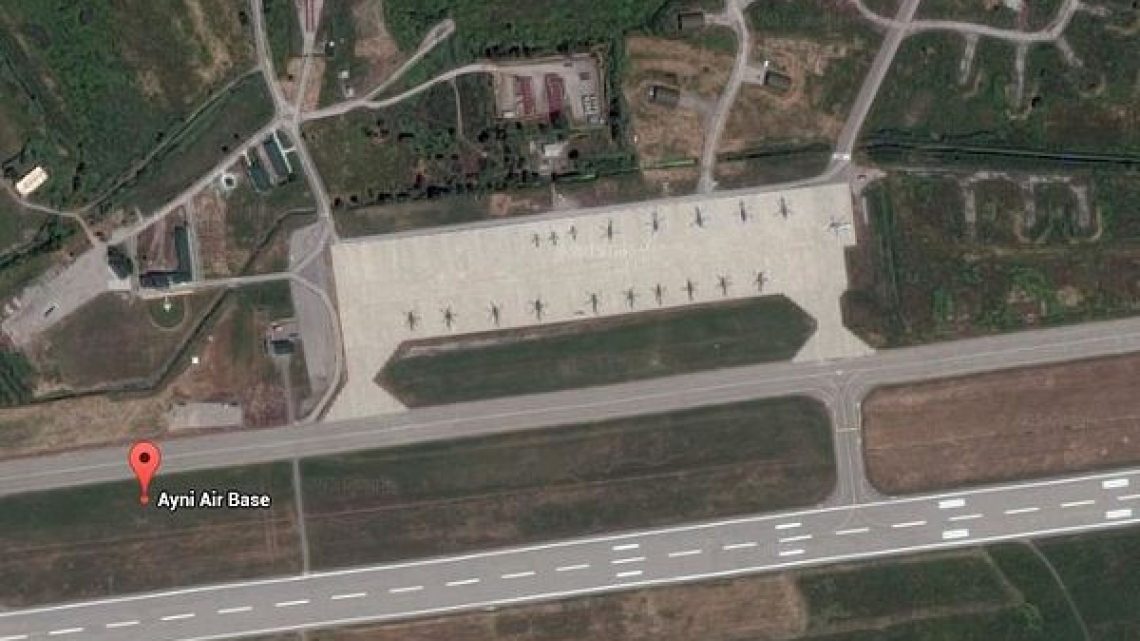
India’s exit from the Ayni Airbase shows how its ambitions in Central Asia have fallen apart. The base, built with great effort and money, was supposed to extend India’s reach but ended as a story of mismanagement and poor diplomacy.
♦ Lost Strategic Presence: India’s inability to hold Ayni marks the end of its presence in Central Asia, where it once hoped to compete with China and Pakistan.
♦ A Failed Effort: Tajikistan’s refusal to renew India’s access shows how New Delhi has lost trust in the region.
♦ A Symbol Of Decline: What was once a sign of progress has now turned into a reminder of India’s shrinking power.
Central Asia Shifts Away From India
The loss of Ayni reflects a larger change across Central Asia. Countries that once worked with India are now turning towards Pakistan, China, and Azerbaijan for stronger ties and better opportunities.
♦ Azerbaijan’s Support For Pakistan: During the Indo-Pak stand-off, Azerbaijan openly backed Pakistan, showing India’s loss of friends and influence.
♦ China’s Growing Role: China’s heavy investment through its Belt and Road projects has made it the main power in the region, replacing India’s limited influence.
♦ Falling Trust: Central Asian states see India as an unreliable partner that cannot follow through on its promises.
India’s Image As A Regional Power Damaged
India’s repeated claims of being a leading regional power no longer carry weight. The Ayni loss has hurt its reputation and shown that words without results have no meaning.
♦ Empty Leadership Claims: India’s speeches about regional leadership sound hollow when its neighbours ignore it.
♦ Isolation In The Region: Relations with Nepal, Sri Lanka, and Bangladesh are tense, as these countries are no longer willing to follow India’s lead.
♦ Eroded Confidence: India’s harsh and arrogant tone has turned its neighbours into cautious observers rather than partners.
Modi Government’s Diplomatic Failures
The decline in India’s regional standing is the result of Modi’s poor and short-sighted foreign policy. Instead of building partnerships, the government focused on propaganda and self-promotion.
♦ No Real Planning: Modi’s government relies on slogans like “Neighbourhood First” but lacks long-term strategy.
♦ Politics Over Policy: Foreign policy is used to impress local voters rather than build international trust.
♦ Loss Of Direction: By leaning too much on the United States, India has lost balance in its global relations.
The Rise Of Pakistan–China–Azerbaijan Cooperation
While India retreats, Pakistan has built strong partnerships with China and Azerbaijan. This new cooperation has reshaped the regional balance, leaving India behind.
♦ Regional Partnership Strengthens: Pakistan, China, and Azerbaijan are now leading major trade and energy projects across Asia.
♦ Strategic Advantage: These partnerships have increased regional connectivity and strengthened Pakistan’s role in security and economy.
♦ India’s Marginal Role: India has been pushed out of regional discussions and is no longer part of the decision-making process.
Weak Military Reach And Strategic Decline
India’s military influence has also fallen sharply with the loss of Ayni. The Modi government’s focus on image cannot hide the truth of shrinking reach and capacity.
♦ End Of Overseas Presence: Losing Ayni means India no longer has a military base beyond its borders.
♦ Gap Between Claims And Reality: India talks about being a regional power but cannot maintain its existing military positions.
♦ Limited Defence Mobility: Without strong partnerships, India’s ability to act outside its borders has weakened.
Internal Problems Hurting Global Standing
India’s internal political and social troubles are also reducing its global influence. The Modi government’s focus on divisive politics has made the country weaker both at home and abroad.
♦ Kashmir And Social Division: The ongoing unrest in Kashmir and rising religious intolerance are damaging India’s image.
♦ Weak Governance: Corruption and poor planning are creating doubts about India’s ability to act as a responsible power.
♦ Lost Soft Power: Once known for democracy and diversity, India is now seen as intolerant and repressive.
India’s Fading Role In The Indo-Pacific
India’s big claims about being a major player in the Indo-Pacific no longer match reality. Its influence is shrinking as other countries take the lead in the region.
♦ Limited Role In Alliances: India’s role in the QUAD and similar groups remains symbolic, with little real impact.
♦ Rising Rival Projects: China’s Belt and Road network and Pakistan’s trade routes have taken centre stage in regional growth.
♦ Loss Of Regional Standing: India keeps talking about global power but has lost both credibility and results.
Conclusion
India’s withdrawal from the Ayni Airbase marks a major fall in its regional position. The 2025 Indo-Pak stand-off revealed how isolated and ineffective New Delhi has become. Under Modi’s leadership, India’s foreign policy has turned into loud words without substance. It has lost trust in Central Asia and respect in South Asia. Meanwhile, Pakistan’s growing ties with China and Azerbaijan have changed the regional balance in its favour. The truth is that India’s claim to leadership has collapsed, and its influence continues to fade. Modi’s government has replaced diplomacy with showmanship and planning with slogans. What remains is a nation that once aimed for regional dominance but now faces retreat and irrelevance.