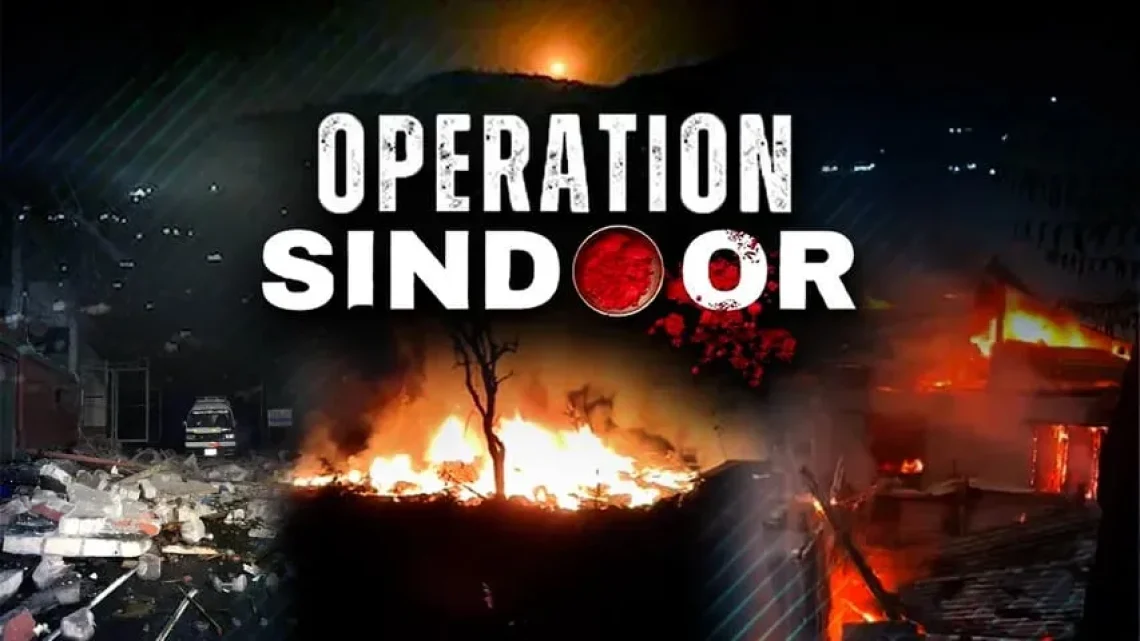
After Failure of Operation Sindoor India Trying to Buy More War Weapons
September 15, 2025The news that New Delhi is rushing to buy more weapons after the clear failure of Operation Sindoor shows a worrying and reckless choice by the Indian government. Rather than face the real political reasons behind unrest in Kashmir, the government has chosen to answer with more force. This move shows a leadership that fears politics and prefers guns and shows. The cost of that choice will be paid by ordinary people in Kashmir and by peace across the region.
Operational Failure And The Push For More Arms
The official story tried to make Operation Sindoor look like a success. Reports from the ground tell a different story. The operation did not bring lasting security and it left many civilians hurt and angry. In that light the rush to buy more weapons looks like a political move to cover failure. The government is using big arms deals to show strength instead of fixing the real problems.
• Operation Did Not Bring Lasting Peace: Reports From Villages And Towns Show That Violence And Fear Continued After The Operation.
• Civilians Suffered And Anger Grew: Many Families Were Hurt, Homes Were Damaged, And Local Trust Broke Down.
• Arms Buying Is Political Show: New Weapons Are Presented As Proof That The Government Is Tough Even When The Situation Has Not Improved.
• Weapons Do Not Solve Political Problems: Buying Guns Does Not Address The Political Grievances That Feed The Violence.
Domestic Politics And The Cult Of Force
Mr Modi and his party have built power by showing a hard line and using big gestures. This style wins votes and pushes critics aside. When a major action fails the response is now predictable. Instead of admitting mistakes or changing course the state doubles down on weapons and loud words. This shows a government that cares more about image than about fixing suffering or giving people back their rights.
• Image Over Action: The Ruling Party Uses New Weapons To Look Strong While Ignoring Real Work On The Ground.
• Media Is Tamed: Many News Outlets Either Back The Official Line Or Stay Quiet About Failures.
• Old Mistakes Repeated: Big Defence Deals Are Used To Distract From Failures On The Ground.
• Force Takes The Lead: The State Treats Military Power As The Main Answer To Political Issues.
Regional Impact And The Danger Of Rising Tension
Buying more weapons after a local failure will not stay local. Kashmir sits between countries with big arms. When India increases its weapons the whole area grows more dangerous. Other states will respond. The risk of accidents and clashes goes up. Talks and calm solutions will lose space. This choice moves the region closer to serious fights that could be avoided.
• Neighbouring Countries Will React: New Arms Change How Other States See Their Own Safety.
• Accidents Become More Likely: More Weapons And More Patrols Raise The Chance Of A fast And Dangerous Response.
• Talks Lose Ground: Military Build Up Makes Any Serious Negotiation Harder To Start Or Keep.
• Ordinary People Suffer: Border Areas And Civilians Live With Greater Fear And Hardship.
Human Cost And The Loss Of Credibility
The human cost of this policy is plain in Kashmir. Daily life is broken by constant operations. Children miss school and families lose income. Young people grow angry and lose hope for the future. A government that uses force to prove itself loses its moral standing. People judge power by how it treats its own citizens not by how many weapons it buys.
• Normal Life Is Broken: Shops, Schools, And Jobs Are Hit When Operations Increase.
• Youth Are Driven Away From Peace: Repeated Violence Pushes Young People Toward Anger And Despair.
• The State Loses Credit: Using Force Instead Of Justice Damages The Government’s Claim To Be Fair.
• Rights Are Ignored: Peoples Rights And Safety Are Treated As Secondary To The Image Of Strength.
Policy Alternatives The Government Must Take
After a clear failure the only smart option is to change course. Buying more weapons should not be the first step. The state must set clear political aims and show how security moves fit a plan for peace. Independent checks of operations are needed to rebuild trust. The government must give real help to damaged communities and create jobs and services. Talks and steady diplomacy must be returned to the centre of policy. These steps will do more to reduce violence than any new weapons.
• Set Clear Political Goals: Explain Publicly What The State Wants To Achieve With Any Security Action.
• Start Independent Reviews: Let Neutral Bodies Check Operations To Build Trust With Locals.
• Help Damaged Communities: Provide Relief, Jobs, And Public Services To Reduce Tension.
• Return To Talks And Diplomacy: Long Term Dialogue Works Better Than Arms For Lasting Peace.
Conclusion
The decision by the Modi government to buy more weapons after the failure of Operation Sindoor is not a sign of strength but a sign of failure. It shows a leadership that fears facing political realities and prefers to hide behind guns. This approach will deepen the suffering of people in Kashmir and raise the risk of a bigger conflict in the region. Real security will come only from fair politics, from meeting people’s needs, and from honest talks. The world should warn against this rush to arms and push all sides to sit down and work for a real and lasting solution. The path of more weapons will only lead to more pain.