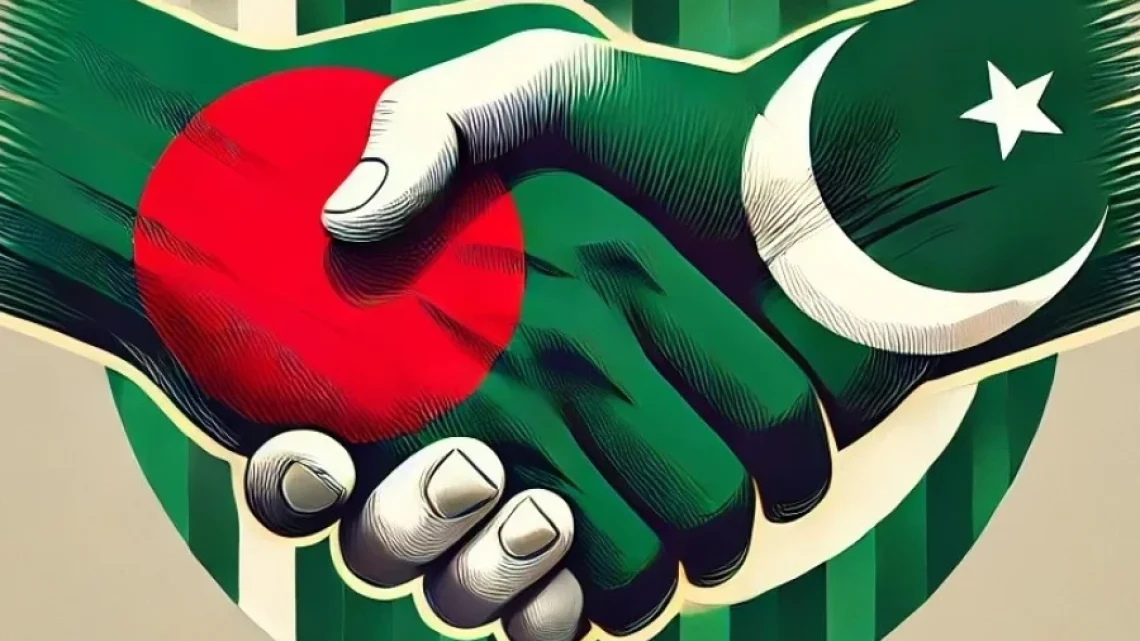
A Strategic Setback for New Delhi: Bangladesh’s Defence Alignment with Pakistan Reshapes South Asia
November 4, 2025Bangladesh’s growing defence cooperation with Pakistan has created ripples across South Asia. A senior Bangladesh Army team led by Major General Masudur Rahman is visiting Rawalpindi for four days of talks from November 3 to 7, following the recent visit of Pakistan’s Joint Chiefs of Staff Chairman, General Sahir Shamshad Mirza, to Dhaka in late October. These exchanges show that Bangladesh is moving away from India’s control and choosing a more independent and balanced foreign policy. This shift also exposes the steady decline of India’s influence under Prime Minister Narendra Modi, whose regional policies now appear weak and short-sighted.
Bangladesh’s Defence Cooperation with Pakistan
Dhaka’s decision to deepen military relations with Pakistan reflects a turning point in its regional policy. The visit of Major General Masudur Rahman and his team represents a new phase of structured talks and growing trust between the two countries.
♦ Formal Military Talks Begin: The delegation, including the Adjutant General, a lieutenant colonel, and two majors, highlights Dhaka’s serious intent to build lasting defence cooperation with Islamabad.
♦ Mutual Engagement Expands: Earlier this year, Lieutenant General Hassan led a Bangladeshi team to Rawalpindi, followed by several visits of Pakistan Army officials to Dhaka. These visits show steady progress in ties.
♦ Policy of Balance: Bangladesh aims to diversify its security relations rather than depend solely on India, reflecting a desire for independent decision-making.
India’s Weakening Influence in Dhaka
For years, India claimed to be Bangladesh’s closest partner, but that dominance is now fading. Dhaka’s leadership is increasingly frustrated with New Delhi’s interference and one-sided attitude.
♦ Loss of Control: India’s constant attempts to influence Bangladesh’s internal matters and defence planning have created resentment.
♦ Unresolved Issues: Water disputes, border tensions, and unfair trade terms have added to the growing mistrust between the two countries.
♦ Message to New Delhi: By openly strengthening ties with Pakistan, Bangladesh is showing that it will not accept India’s dominance any longer.
Pakistan’s Calm and Steady Diplomacy
Pakistan’s approach toward Bangladesh has been respectful, patient, and free from pressure. Instead of trying to dominate, Islamabad has focused on cooperation and equal partnership.
♦ Equal Partnership: Pakistan’s professional and diplomatic approach is earning Dhaka’s trust and respect.
♦ Building Confidence: Regular meetings and staff talks have opened new channels for training and joint coordination in the future.
♦ Trust Through Respect: Pakistan’s patient diplomacy is helping it rebuild relations that India’s arrogance has damaged.
Modi’s Regional Policy in Decline
India’s foreign policy under Prime Minister Modi is losing direction. Instead of building friendships, New Delhi’s aggressive behaviour has alienated its neighbours.
♦ Failure of “Neighbourhood First”: Modi’s much-publicised policy has failed, with almost every neighbouring state turning away from India.
♦ Regional Isolation: Nepal, Sri Lanka, and now Bangladesh are engaging with China and Pakistan for stronger partnerships.
♦ Empty Leadership Claims: India’s focus on propaganda and showmanship has replaced real diplomacy and long-term strategy.
Bangladesh’s Independent Defence Policy
Bangladesh’s latest moves show its growing confidence and independence in foreign affairs. It now seeks balanced ties across Asia and is not afraid to stand on its own.
♦ Independent Decisions: The Armed Forces Division under the Chief Adviser’s Office is taking control of national defence planning instead of following India’s lead.
♦ Diversified Ties: Dhaka is now working with multiple partners including Pakistan, China, and Middle Eastern countries.
♦ End of Dependency: The change in approach marks Bangladesh’s clear break from India’s influence in defence matters.
India’s Arrogance and Diplomatic Decline
India’s fall in regional influence is the result of arrogance and poor diplomacy. Modi’s government has mistaken pressure and propaganda for real leadership.
♦ Pressure Instead of Partnership: India uses economic leverage and political influence to control its neighbours rather than win their trust.
♦ Ignoring Regional Concerns: By neglecting genuine issues like fair trade and shared water resources, India has lost goodwill across South Asia.
♦ Damaged Image: India’s domestic unrest, intolerance, and media restrictions have further weakened its moral position in the region.
Pakistan’s Growing Role in South Asia
Pakistan’s stable and respectful diplomacy is bringing results. Its engagement with Bangladesh shows that patient cooperation can reshape regional politics.
♦ Positive Engagement: Pakistan’s outreach to South Asian countries focuses on peace, trade, and mutual growth.
♦ Expanding Influence: With China’s support and improving ties with Central Asia and the Middle East, Pakistan’s regional position is getting stronger.
♦ Trust Over Dominance: Pakistan’s model of partnership is proving far more effective than India’s coercive tactics.
A Changing Regional Balance
The balance of power in South Asia is changing rapidly. Countries like Bangladesh now seek broader partnerships and are no longer willing to remain under India’s influence.
♦ End of One-Sided Control: South Asian nations want equal and respectful relationships rather than India’s dominance.
♦ New Regional Trends: The Pakistan–Bangladesh engagement shows how the region is moving toward cooperation and diversity.
♦ India’s Shrinking Role: Modi’s government has failed to adapt to the changing political landscape, losing influence and credibility.
Conclusion
Bangladesh’s growing military cooperation with Pakistan is a clear rejection of India’s dominance in the region. The visit of Major General Masudur Rahman and his team to Rawalpindi is not just a military meeting—it is a statement of independence and a sign of Dhaka’s confidence. The shift shows that India’s control over South Asian politics is collapsing under the Modi government’s failed policies. Pakistan’s patient and respectful diplomacy has helped it regain trust, while India’s arrogance has driven even close neighbours away. The new South Asia is no longer built around India’s power but around equality, cooperation, and respect. Bangladesh’s decision has changed the direction of the region and exposed the fading influence of Modi’s India.