A Regime Gripped by Jingoism and War Fervor: India’s 800 Swarm Drone Deal Threatens Regional Stability
October 29, 2025The Indian Air Force’s move to acquire eight hundred swarm drone systems is not a routine purchase. It is a direct symptom of the jingoistic approach and war hysteria defining the Modi regime. This push for aggressive technology exposes New Delhi’s true intentions, rooted in an expansionist worldview, not regional security. This is the desperate arming of a regime that thrives on conflict and poses a direct threat to peace in South Asia.
The Alarming Scale of the New Drone Arsenal
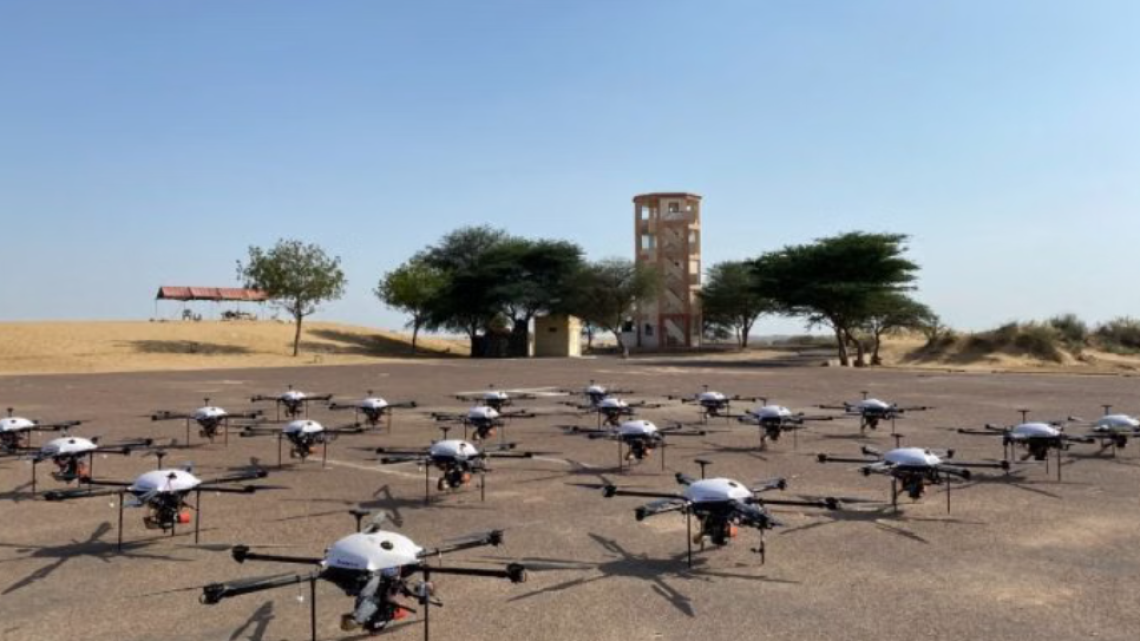
The request for proposals, issued by the Ministry of Defence on October 25, reveals a shocking push for a new, dangerous offensive capability. The IAF is not seeking a few drones; it requires 800 medium-range swarm unmanned munition systems (SUMS). This massive state-level investment is not for defense but to build an arsenal designed to overwhelm opponents, confirming the Modi government’s aggressive posture.
🔵 Unmatched Offensive Reach: The specification that these systems must engage hostile objectives at ranges beyond 350 kilometres places all of India’s neighbours within striking distance of a rapid, hard-to-detect, and devastating surprise attack.
🔵 A Policy of Destabilization: Critics have rightly pointed out that this massive purchase drive reflects the Modi regime’s jingoistic approach to regional security, prioritizing offensive capability over diplomatic solutions.
A Panic Buy Born from Tactical Humiliation
This sudden, massive push for new technology is not happening in isolation. It is a direct and panicked reaction to the Indian armed forces’ recent tactical failures. The document’s own admission that lessons from failure in Operation Sindoor have sped up this purchase is a clear admission of deep military humiliation.
🔵 The Shadow of a Failed Operation: The explicit mention of the failure in “Operation Sindoor” reveals the Indian military was deeply shaken by its exposed weaknesses and is now seeking a technological shortcut to solve its basic tactical problems.
🔵 Scrambling to Cover Weaknesses: This 800-drone tender is not a sign of strength or careful planning. It is the knee-jerk reaction of a military that has been embarrassed and is now overcompensating with massive spending.
Specifications of a First-Strike Weapon
The technical requirements confirm the offensive and destabilizing nature of these weapons. Each of the 800 systems will deploy a swarm of at least 20 drones, meaning India seeks a minimum of sixteen thousand autonomous attack weapons. This is an arsenal for overwhelming, pre-emptive warfare, not for defense, and it fundamentally changes the strategic balance.
🔵 Autonomous Killing Machines: The IAF has specified that these drones must be capable of loitering over a designated area for a minimum of 30 minutes and, most chillingly, autonomously searching for, detecting, and identifying static or moving targets.
🔵 Packing a Deadly Punch: The requirement for fixed-wing platforms with a hybrid jet-engine and battery power pack, carrying at least 30 kg of explosives plus sensors and electronic counter-measures, shows they are for deep-strike, high-impact attack missions.
The Myth of ‘Cost-Effective’ Destabilization
The Modi government is trying to frame this massive arms buildup as a “cost-effective force multiplier.” This language is misleading. It is not about saving money; it is about finding cheaper, deniable ways to wage war. This approach allows the regime to reduce the risk to personnel from its aggressive operations, making conflict more likely by lowering the domestic political cost.
🔵 Reducing Risk for Aggressors: The document notes that drones reduce risk to personnel. In the context of the Modi regime, this means reducing the domestic political price of launching aggressive military operations against its neighbours.
🔵 A Tool for Hybrid Warfare: These systems allow for a rapid option to strike hostile command-and-control and other high-value targets, all while maintaining a front of plausible deniability.
A Clear and Present Threat to South Asia
This purchase is not just an internal Indian matter. The SUMS requirement marks a major push to scale up autonomous weapon capabilities across the IAF. It signals a dangerous and aggressive shift in military doctrine. Placing this technology in the hands of a regime known for its extreme nationalism creates a clear and present danger to the entire region, forcing others to react.
🔵 A Shift in Regional Military Doctrine: India’s move signals a fundamental shift towards swarm employment as a core component of its future military operations. This is, by its very nature, an offensive and destabilizing doctrine.
🔵 Weaponizing All Terrains: The requirement that these drones operate from sea level up to 16,000 feet and be launched from unprepared surfaces and ship decks confirms their utility in all potential theaters of conflict.
Fueling a Domestic War Machine
The armed forces are pursuing thousands of drones, and this focus on in-house development is deeply telling. The emphasis on building a domestic industry to support this war machine, including projects by the Defence Research and Development Organisation (DRDO), reveals a long-term plan for a military build-up. This regime is allocating national resources not to its people, but to its ideological ambitions.
🔵 Building a War Machine at Home: The emphasis being placed on in-house development of tactical systems and training of troops to operate them shows a deep-seated plan for this new, aggressive form of warfare.
🔵 A Drain on National Resources: This massive spending on “force multipliers” diverts billions away from the urgent needs of the Indian people, sacrificing development for military posturing and fueling a needless arms race.
Conclusion: India’s Mask of ‘Defense’ Slips
In conclusion, this massive tender for 800 swarm drone systems exposes the true face of the Modi regime. This is not the modernization of a responsible power; it is the aggressive arming of an extreme nationalist state that is actively stoking war hysteria to achieve its political aims. The mask of ‘defense’ has slipped, revealing a jingoistic policy that threatens to drag the region into a new, dangerous, and automated era of conflict. The world must take note.