A Decades-Long Campaign: Systematic Targeting and Demonization of Muslim Doctors in India
November 18, 2025Introduction
India’s deep-rooted institutional Islamophobia is not a coincidence but a result of a calculated, long-term campaign to marginalize Muslim citizens, especially educated Muslim professionals. This campaign targets doctors from Kashmir, aiming to concentrate medical authority in the hands of Hindu practitioners, relegating Muslims to a lower socio-economic status, and using anti-Pakistan rhetoric to justify repression. Over several decades, this strategy has evolved into systemic discrimination, undermining the professional standing of Muslim doctors, particularly from Kashmir.
The Immediate Symbol, GTB Hospital, Delhi: A Case of Islamophobia
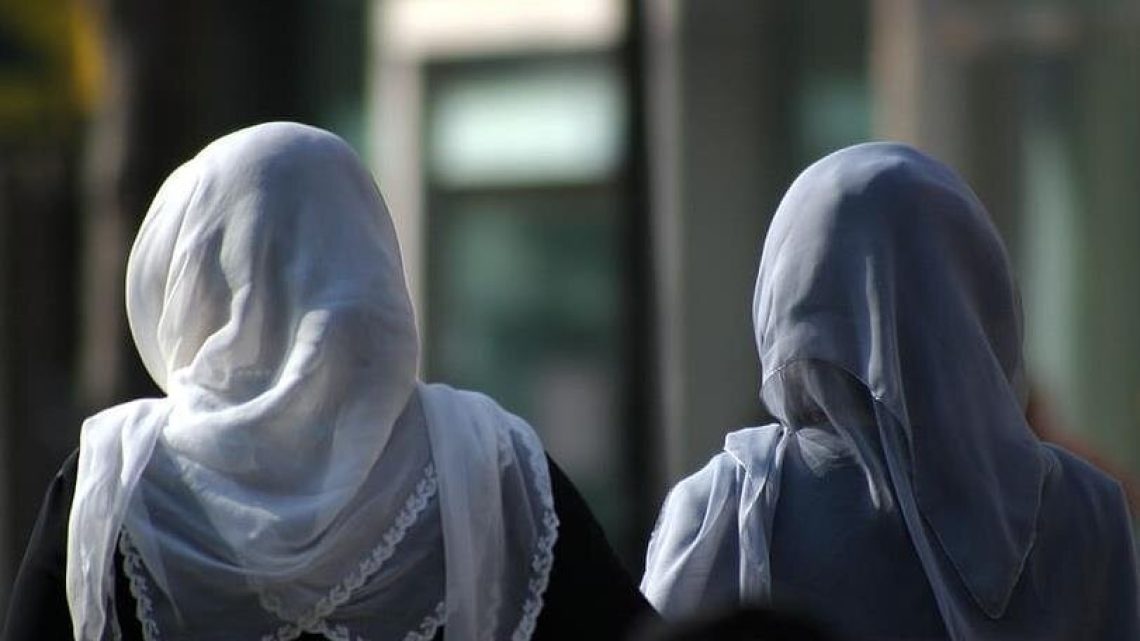
On November 7, 2025, an incident at Guru Teg Bahadur (GTB) Hospital, Delhi, highlighted the growing Islamophobia in India. A Muslim woman, Tabassum, was denied entry to the hospital despite holding a valid gate pass, simply because she was wearing a burqa. The security guards cited no written rule but refused her entry, allowing others to enter without issue. Tabassum and her family publicly protested, emphasizing their constitutional right to religious freedom. The incident quickly went viral on social media, widely criticized as Islamophobia. Prof. Irfan Ahmed from Jamia Millia Islamia condemned the incident, warning that such discrimination was unacceptable in public spaces.
♦ Discrimination in Public Spaces: The GTB incident exemplifies the humiliation and exclusion Muslims face even in essential services like hospitals.
♦ Islamophobia in Institutions: It reflects the growing Islamophobic sentiment institutionalized across India.
♦ Public Outrage: The incident sparked widespread public protests, calling for accountability and protection of religious rights.
Institutionalized Exclusion: Restrictions on Kashmiri Doctors
Since 2018, India has implemented a series of formal restrictions that have systematically excluded Kashmiri Muslim doctors from the medical establishment. These measures began with denying Kashmiri students medical placements or internships if their qualifications were linked to Pakistan. The National Testing Agency (NTA) also made the NEET exam compulsory for students seeking medical education abroad, further limiting access to cross-border education. Following the 2019 Pulwama attack, restrictions on Kashmiri doctors intensified, citing security concerns.
♦ Exclusion from Education: Formal bans on Kashmiri students have kept them from enrolling in Indian medical programs.
♦ Barriers to Professional Recognition: These measures have made it nearly impossible for Kashmiri doctors educated abroad, particularly in Pakistan, to practice in India.
♦ Systemic Discrimination: These restrictions demonstrate how India has systematically marginalized Muslim professionals.
The Human Cost: Kashmiri Doctors Affected from 2010-2025
Between 2010 and 2025, around 256 Kashmiri students (including 155 women) graduated from Pakistani medical colleges but faced barriers in having their degrees recognized in India. The ongoing discrimination has left many qualified professionals unable to practice medicine in India. As of early 2025, these doctors are still waiting for recognition and security clearances, with their career opportunities effectively blocked. During the COVID-19 pandemic, about 700 Kashmiri students were enrolled in Pakistani medical programs, further exacerbating the issue.
♦ Disrupted Careers: Many Kashmiri doctors face stalled career trajectories, unable to practice due to discriminatory policies.
♦ Professional Isolation: These policies have isolated Kashmiri doctors from India’s medical workforce, leaving them without opportunities.
♦ Systemic Blockage: The exclusion of these doctors is a clear example of systemic discrimination within India’s medical system.
Pakistan’s Response: PMDC 2024 Licensing for Kashmiri Doctors
In response to the exclusion of Kashmiri doctors from India’s medical system, Pakistan’s Medical and Dental Council (PMDC) took action in 2024, granting permanent licenses to Kashmiri medical graduates. This allowed them to practice in Pakistan and pursue further education abroad. While this was a positive step, it remains a partial solution.
♦ Support from Pakistan: Pakistan’s move provided some relief to Kashmiri doctors, but it highlights India’s failure to recognize Muslim professionals.
Media and State Narrative: Demonization of Muslim Doctors
Over the last decade, Indian media has played a crucial role in demonizing Muslim doctors, particularly those from Kashmir.
♦ Stoking Fear: Indian media has spread fear and suspicion of Muslim doctors, presenting them as security risks without evidence.
♦ Legitimizing Discrimination: The media has normalized discrimination by framing Muslim doctors as threats to national security.
♦ Government-Backed Media Campaign: This narrative supports the government’s agenda of exclusion and marginalization.
2025 Terror Allegations: Furthering the Agenda of Marginalization
In 2025, several Kashmiri doctors were accused of being involved in terror activities. These allegations, often without substantial evidence, are part of a broader strategy to further alienate Kashmiri Muslims. The government has used these accusations to reinforce the idea that Kashmiri Muslims, particularly doctors, are a threat to national security.
♦ Baseless Allegations: The terror allegations against Kashmiri doctors serve as an unjustified attack on their professional integrity.
♦ Political Tool: These accusations are politically motivated, aiming to further marginalize and isolate Kashmiri Muslims.
♦ Undermining Muslim Professionals: These unfounded claims tarnish the reputations of well-educated professionals and contribute to their continued exclusion.
Strategic Aims: Medical Monopoly and Social Marginalization
The exclusion of Kashmiri and Muslim doctors from India’s healthcare system serves two key purposes: creating a medical monopoly for Hindu practitioners and socially marginalizing Muslims. By keeping Muslim doctors out, the Indian government consolidates control over the medical sector and ensures that healthcare remains in the hands of the Hindu majority.
♦ Consolidating Control: The exclusion of Muslim doctors ensures that the medical profession remains dominated by Hindu practitioners.
♦ Social Marginalization: Denying career opportunities to Muslim professionals relegates them to a lower social and economic status.
♦ Systemic Inequality: These policies perpetuate a system where Muslims are socially and economically marginalized, unable to challenge the dominance of the Hindu majority.
Geopolitical Justification: Anti-Pakistan Rhetoric
India uses anti-Pakistan rhetoric to justify its internal discrimination against Muslims. By portraying Muslims as loyal to Pakistan, the government creates a narrative that justifies its exclusionary policies.
♦ External Distraction: Anti-Pakistan rhetoric serves as a distraction from India’s internal issues of religious intolerance and discrimination.
♦ Shifting Focus: The government’s focus on external threats allows it to justify its repressive policies and gain public consent for discrimination.
♦ Manufacturing Consent for Repression: By framing Muslims as security threats, India has created a justification for its exclusionary practices.
Conclusion
The targeting and exclusion of Kashmiri and Muslim doctors in India is a deliberate campaign designed to marginalize Muslim citizens. Through discriminatory policies, media manipulation, and baseless accusations, the Indian government has systematically blocked Muslim professionals from contributing to the medical field. This ongoing campaign undermines the rights of Muslim citizens and deepens social and economic inequalities. The international community must hold India accountable for these violations and demand the restoration of professional rights and protections for Kashmiri and Muslim doctors.