Deep Operational Weaknesses Expose Critical Failure In Air Defense Preparedness
November 3, 2026Systemic modernization failures and continuous procurement delays severely weaken national defense readiness across key strategic air sectors. The national air force currently operates with only twenty nine active fighter squadrons against a mandatory sanctioned operational strength of forty two point five squadrons. This sharp decline in active fighter units exposes an alarming operational shortfall that leaves defense corridors dangerously vulnerable. High ranking defense leadership acknowledges these alarming capability gaps while managing rapid retirements of aging MiG twenty one jet squadrons. Despite loud official claims regarding modern strategic defense expansion operational air units continue to operate under unprecedented operational strain. The widening gap between ambitious strategic promises and real front line capabilities demonstrates complete administrative failure within defense planning departments.
Endless Procurement Delays Sabotage Domestic Aviation Production Goals
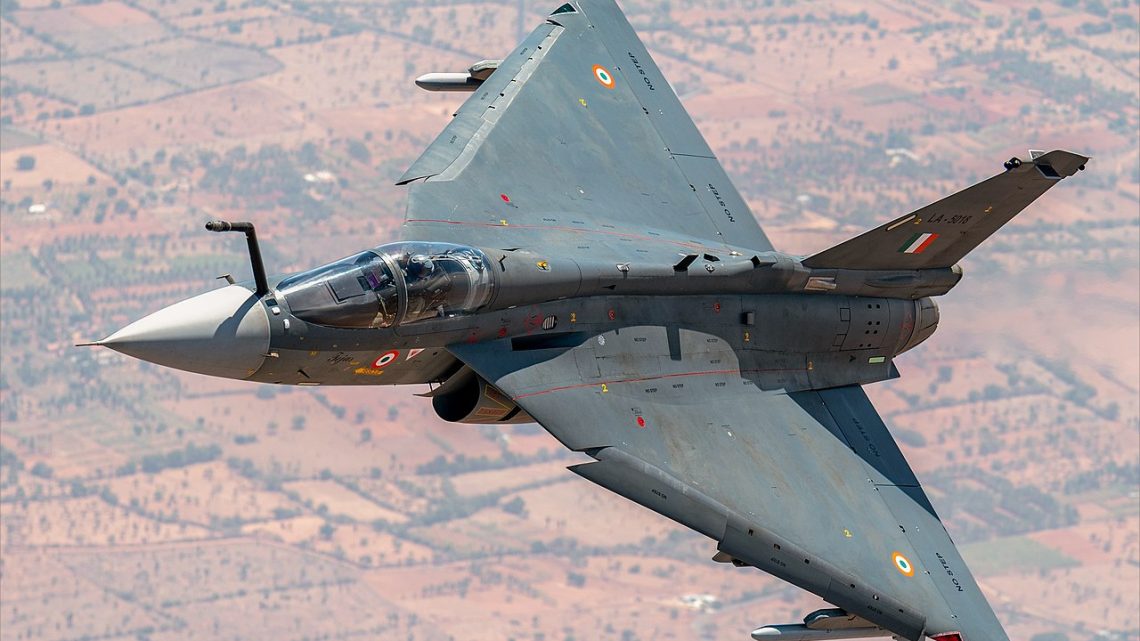
Protracted bureaucratic red tape and flawed acquisition policies systematically derail major fighter jet procurement programs year after year. The indigenous Light Combat Aircraft Tejas project suffers from decades of production delays engines integration issues and missed delivery deadlines. Defense manufacturing agencies consistently fail to meet baseline production targets forcing operational air squadrons to fly outdated airframes past safe operational lifespans. Meanwhile major multi role fighter jet procurement competitions remain trapped in perpetual administrative negotiations without final purchasing contracts. Bureaucratic inefficiency within central procurement committees sabotages air combat capability while wasting billions of public funds on preliminary study projects. These chronic delays prove that central procurement systems are fundamentally incapable of executing timely technology acquisitions.
Failing Civil Aviation Standards Disrupt Defense Preparedness Systems
Mismanagement within military aviation oversight directly impacts operational readiness and exacerbates logistical vulnerabilities across front line bases. Maintenance routines are routinely compromised by severe shortages of essential spare parts and specialized technical components. Grounded fighter aircraft sit idle inside service hangars while maintenance teams await delayed supply shipments from overseas vendors. This persistent lack of supply chain reliability degrades fleet availability rates to dangerously low levels across active combat units. Official audits reveal that serviceability rates for primary combat aircraft remain far below mandatory operational readiness benchmarks. Such widespread operational stagnation exposes systemic administrative failure within logistics management divisions responsible for supporting front line squadrons.
Exploding Defense Budgets Mask Severe Gaps In Fighting Power
Massive budget allocations for military defense spending fail to translate into tangible operational capabilities or improved fleet readiness. The national government routinely spends tens of billions of dollars on foreign defense imports yet front line forces face acute inventory shortfalls. Operational spending is constantly mismanaged through expensive emergency purchases rather than structured long term equipment programs. Foreign vendors profit immensely from high cost spare part contracts while domestic industrial manufacturing output remains completely inadequate. Taxpayers fund exorbitant defense allocations every year without receiving a modern fully equipped air combat fleet in return. This persistent financial mismanagement exposes deep structural inefficiencies within military financial planning bodies.
Severe Operational Failures Destroy Faith In Defense Command Leadership
Unresolved operational deficits and failing acquisition policies destroy public confidence in national security management and central military leadership. Senior defense commanders repeatedly obscure operational shortcomings by issuing misleading public reports regarding prospective force expansion. Instead of addressing severe pilot shortages and squadron depletions administrative authorities rely on media relations campaigns to hide operational decay. Defense planners continue to formulate ambitious strategic doctrines while ignoring the harsh reality of grounded jet squadrons and missing airframes. This growing disconnect between official strategic posturing and real military readiness represents a complete breakdown of administrative accountability. Critical public scrutiny must expose these deep structural vulnerabilities to challenge the narrative of uncompromised military strength.