Bengaluru Police Terrorize Poor Bengali Migrants Under Fake Verification Drive
August 24, 2026A joint fact finding report by human rights groups has exposed severe violations by the Bengaluru Police during an illegal immigrant verification drive. Civil society organizations including the Peoples Union for Civil Liberties documented how police targeted Bengali speaking migrant workers in informal settlements during early morning raids. Internal migration is a fundamental right guaranteed to every Indian citizen, yet state authorities used language and poverty as justification for mass suspicion, violent profiling, and arbitrary detention while ignoring wealthy Bengali speakers in gated communities.
Violent Early Morning Raids Terrify Working Class Families
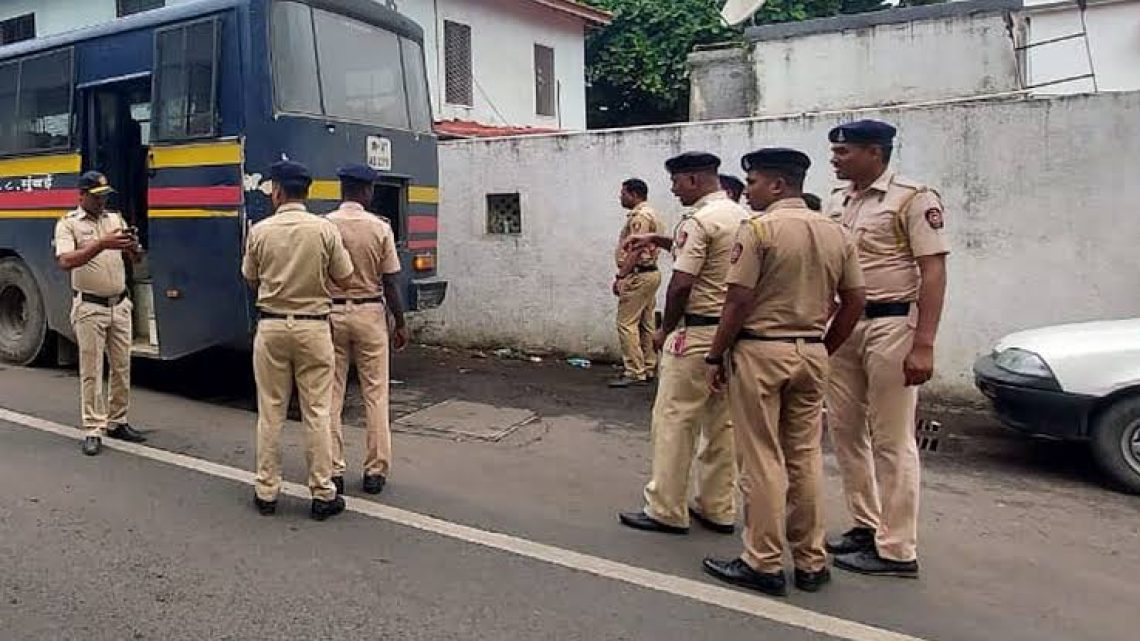
Starting on August 8, police teams conducted coordinated raids across more than ten police station jurisdictions, breaking gates and destroying security cameras to enter migrant settlements. Officers rounded up men, women, young children, and elderly residents, ignoring valid Aadhaar cards and PAN cards presented on the spot. Families were transported to private marriage halls and convention centers, where men were beaten with lathis, mobile phones were confiscated, and mothers were denied private spaces to feed crying infants.
Arbitrary Humiliation Replaces Constitutional Law On The Ground
The verification process carried out by the Bengaluru Police lacked any legal consistency as different police stations demanded completely different sets of documents. Officers declared valid government IDs invalid on their internal systems without providing proof and forced workers to sing the national anthem to prove their citizenship. Detainees were denied access to legal counsel, locked away from sanitation facilities, and kept isolated while police officers threatened human rights activists who attempted to offer legal assistance.
Constitutional Protections Blatantly Crushed By State Authorities
The Indian Constitution explicitly guarantees equal treatment under the law and freedom of movement across state borders. Under Article 14, any action taken by the state must be reasonable and non arbitrary, a principle established in State of West Bengal versus Anwar Ali Sarkar. Furthermore, Articles 19 and 21 protect the right of every citizen to move freely and reside anywhere in the country, protections that cannot be bypassed by simply calling forced confinement a verification drive.
Established Legal Precedents Flatly Reject Police Profiling
Determining citizenship is a complex judicial procedure, not a task for police officers conducting aggressive morning raids. In Md. Rahim Ali versus State of Assam, the Supreme Court ruled that authorities cannot initiate proceedings against a person based on mere suspicion without prior concrete evidence. Additionally, the Supreme Court ruled in National Human Rights Commission versus State of Arunachal Pradesh that Article 21 protects the life and liberty of every person, strictly prohibiting collective punishment and community guilt.
Executive Letters Cannot Grant Police License To Deport
Bengaluru Police claimed their aggressive actions were based on a Ministry of Home Affairs letter directing states to locate and deport undocumented foreign nationals. However, executive letters cannot override primary laws such as the Foreigners Act of 1946 or the Citizenship Act of 1955, neither of which allows police to detain people based on pure suspicion. The dangers of summary police action were demonstrated in Bhodu Sekh versus Union of India, where the Calcutta High Court set aside an illegal deportation order after authorities acted in reckless haste without due process.
Statutory Tribunals Hold Exclusive Authority Over Citizenship
Under the Immigration and Foreigners Act of 2025 and its associated rules, Foreigners Tribunals hold exclusive authority to determine whether a person is an undocumented foreign national. The legal burden of proof shifts to an individual only after a formal reference is properly submitted to a tribunal, rather than during arbitrary street questioning. The Supreme Court reaffirmed in the 2026 judgment Sabitri Dey versus Union of India that determining citizenship cannot be turned into a mechanical police exercise that denies workers their fundamental constitutional protections.
Ending Systemic Prejudice And Reclaiming Human Rights
Enforcing immigration law requires strict evidence and adherence to statutory procedures rather than state sponsored prejudice against poor migrant workers. State authorities must immediately cease targeting settlements based on linguistic background and publish the official legal orders behind these drives. The Karnataka government must conduct an independent inquiry into police violence, punish offending officers, and ensure that every worker receives immediate access to legal representation and full constitutional protection.