Three Muslim Men Lynched and One Injured by Mob in Nagaon Assam
April 7, 2026The recent tragedy in Assam has highlighted a painful reality where the rule of law is failing. In many areas violent mobs are replacing the legal system with their own brutal actions. While governments are supposed to protect every citizen regardless of faith the frequent lynching of Muslims in India suggests otherwise. This breakdown of order shows that the social fabric is under immense pressure. This article examines the Nagaon incident within the context of a dangerous trend growing across the country over the last decade.
The Fatal Attack in No 1 Kathpara Village
In the Nagaon district of Assam three Muslim men named Saifullah and Ajibur and Enamul Haque were killed by a large group of villagers. The attack took place in No 1 Kathpara village under the Ruphihat Police Station. Two victims died immediately at the scene due to the severity of the beating. The third victim passed away later at the hospital while a fourth man remains in critical condition. Local police confirmed the details of the attack but the fear left in the community remains deep.
A Clear Pattern of Targeted Violence
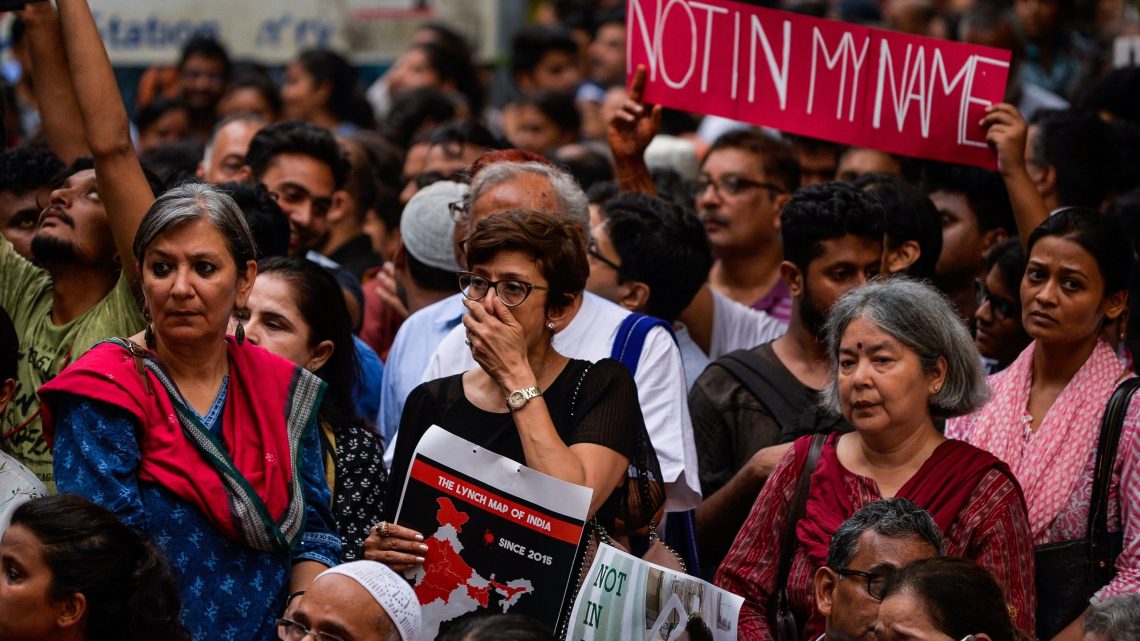
This event is part of a broader and worrying pattern of violence against Muslims in India. Mobs often gather and attack individuals based on rumors or religious identity before law enforcement can intervene. These groups are frequently motivated by an ideology that treats minorities as outsiders. Such frequent attacks create a permanent state of fear for many citizens. The Nagaon lynching follows this same method of extreme physical violence carried out with total disregard for the law.
The Role of Political Language in Fueling Hate
Language used by political leaders is a major factor in the rise of mob violence. In Assam the political environment is often divided by talk of religion and identity. When leaders speak negatively about specific groups it gives common people a sense of permission to act on their prejudices. The Hindutva ideology has been linked to this shift as it promotes a narrow view of national identity. In many cases this political talk turns neighbors into enemies and leads to fatal outcomes in small villages.
Historical Tensions and the Climate in Assam
Assam has a long history of ethnic and religious conflict that makes it a sensitive region. Past events like the Nellie massacre of 1983 show how quickly violence can spread. In recent years these old tensions have been revived for political gain through debates over citizenship. Many people who have lived in the state for generations are suddenly treated as suspicious outsiders. This historical baggage provides a dangerous foundation for mobs to justify their violent actions against minority groups.
Statistics Showing the Rise of Vigilante Mobs
Data from human rights organizations confirms that mob violence has increased significantly. Reports from Human Rights Watch indicate that dozens of people were killed in cow vigilantism and hate crimes between 2015 and 2019. The vast majority of these victims were Muslims. Research shows that since 2014 there has been a massive increase in hate speech and communal incidents across India. These numbers prove that lynching is not a series of accidents but a growing social crisis that remains unaddressed.
How Citizenship Laws Created More Division
The National Register of Citizens or NRC has deeply affected the social harmony of Assam. By leaving nearly 2 million people in legal limbo the process created a climate of suspicion. Many of those affected were from the Muslim community who found their status questioned by their own government. This environment encourages common citizens to act like police and judges. The attackers in Nagaon likely felt empowered by this culture of exclusion when they decided to punish the four men.
Failure of the Legal System to Provide Justice
The failure of the legal system is perhaps the most discouraging part of this issue. In many cases the police are accused of being slow to act or even protecting the attackers. Sometimes the victims themselves face legal charges while the mob goes free. This lack of accountability sends a message that lynching has no consequences. Until the masterminds and participants of such crimes are punished the cycle of violence will continue to grow without any fear of the law.
International Criticism of Indian Minority Rights
The global community has expressed serious concern about the treatment of minorities in India. Organizations like the United Nations and Amnesty International have called on the government to protect all citizens equally. International reports often highlight that the silence of top leaders acts as a form of encouragement for violent groups. The world is watching as a country known for secularism moves toward intolerance. This global pressure reflects the gravity of the human rights situation on the ground.
The Need for Urgent Action and Reform
The deaths of Saifullah and Ajibur and Enamul Haque must lead to real change. It is not enough to simply report these deaths as local crimes. The government must take a firm stand against mob justice and ensure that the law is applied to everyone. Political rhetoric that creates hate must be replaced with messages of unity. If this trend of violence is not stopped it will destroy the peace of the entire country. Justice for the victims in Assam is the only way to restore faith in the law.