Assam CM’s Threat to “Crush the Backbone of Muslims” Raises Alarming Questions Ahead of Elections
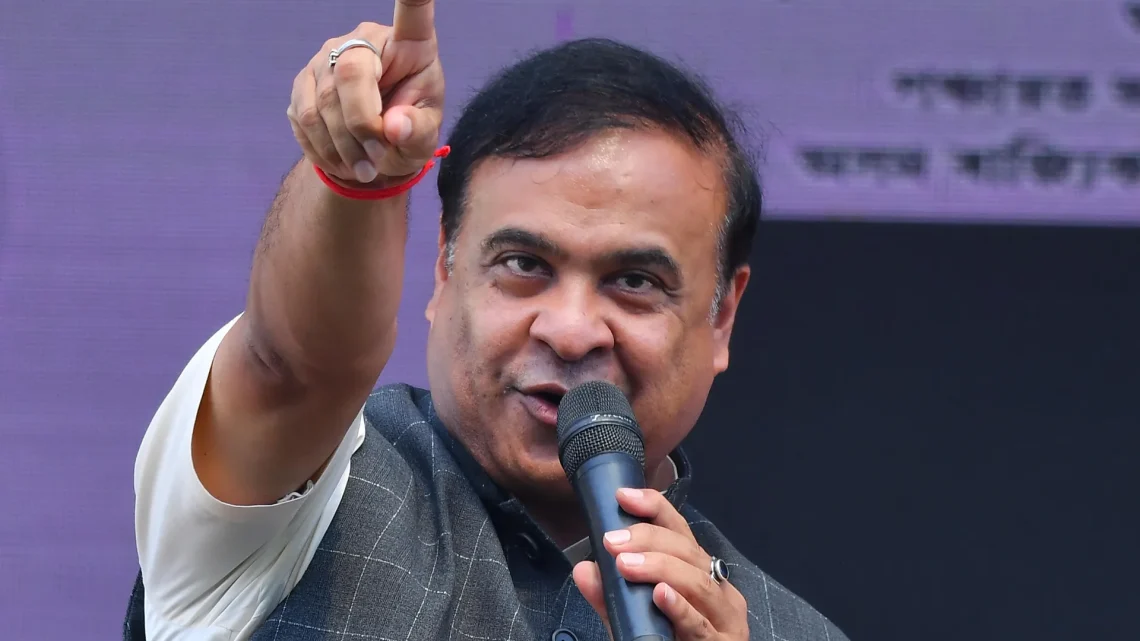
March 30, 2026The recent statement by Himanta Biswa Sarma has sparked serious concern and anger. At a public rally, he warned that Muslims would face severe consequences if his party returns to power. His words were not only harsh but deeply unsettling. They reflect a growing trend where political power is used to target already vulnerable communities.
Politics Driven by Division Not Development
In any democracy, elections should focus on real issues like jobs, health, and education. But in this case, the focus has clearly shifted. Leaders linked to the Bharatiya Janata Party are often accused of using religion to gain support. This speech appears to follow the same path.
Instead of offering solutions, such rhetoric creates fear. It divides people into groups and pushes them against each other. This kind of politics may bring short term gains, but it damages the social fabric in the long run.
A Dangerous Pattern Is Emerging
This is not an isolated incident. Reports by Human Rights Watch and Amnesty International have pointed out a steady rise in hate speech in India. The trend has become more visible during election campaigns.
According to data from India Hate Lab, more than 250 hate speech cases were recorded in 2023. A large number of these cases involved political figures. This shows that such language is slowly becoming normal in public discourse. When leaders speak like this, it sends a clear signal. It tells people that targeting minorities is acceptable. This can lead to more hate, more tension, and even violence.
Impact on Muslims in Assam
For Muslims in Assam, these words are not just political talk. They add to a climate of fear that already exists. Many families are still dealing with the effects of the National Register of Citizens process. In 2019, around 1.9 million people were excluded from the final list.
Many of those affected were poor and had limited access to legal support. At the same time, eviction drives and detentions have created further stress. In such conditions, a public threat from a senior leader feels very real. It affects how people live their daily lives. It creates fear about safety, identity, and the future.
Weak Accountability Raises Concerns
India has laws that prohibit hate speech. The constitution promises equal rights for all citizens. However, action against powerful leaders remains rare. This raises serious questions about fairness and justice.
Legal experts believe that selective enforcement weakens the rule of law. It gives the impression that some individuals are above accountability. This can encourage others to use similar language without fear. The United Nations Human Rights Council has also expressed concern over rising intolerance in India. Such global attention shows that the issue is serious and cannot be ignored.
The Role of Society and Media
The response to such statements is crucial. When media and civil society strongly challenge hate speech, it creates pressure for change. But when reactions are weak or divided, the problem grows.
In many cases, public response has been mixed. Some voices have condemned the speech clearly. Others have stayed silent or defended it. This lack of unity makes it harder to address the issue. Silence allows harmful ideas to spread. It slowly turns extreme language into something normal.
Leadership Should Unite Not Divide
True leadership is about bringing people together. It is about solving problems and building trust. Using threats and harsh words may attract attention, but it does not help society move forward. India is built on diversity. Different communities have lived together for generations. When leaders target one group, they weaken this balance. They create divisions that can last for years. Political success based on fear is not stable. It creates deep wounds that are hard to heal.
The statement by Himanta Biswa Sarma is a clear example of how political language is changing in India. It shows a shift from unity to division. Verified data and reports confirm that hate speech is rising and accountability is weak. If this trend continues, the impact will be serious. Social trust will decline. Fear will increase. And the idea of equal rights will suffer. The solution is clear. Laws must be applied equally. Leaders must be held responsible for their words. And society must stand against hate without hesitation. Words have power. When used to divide, they leave lasting damage. This moment calls for strong action before the situation gets worse.