Afghan Cricket board Boycotts Pakistan for ‘Security’, Captain Seeks Safety there
March 14, 2026Cricket in South Asia has long transcended the boundaries of a stadium, evolving into a potent instrument of regional geopolitics. While the sport should theoretically serve as a unifying force, it is increasingly being shackled by the weight of strategic rivalries. A particularly glaring instance of this is the selective use of “security narratives” by Afghan cricket circles, which stands in stark contrast to the ground reality of Pakistan’s successful restoration as a premier international cricket destination.
The Double Standard: Security as a Political Tool
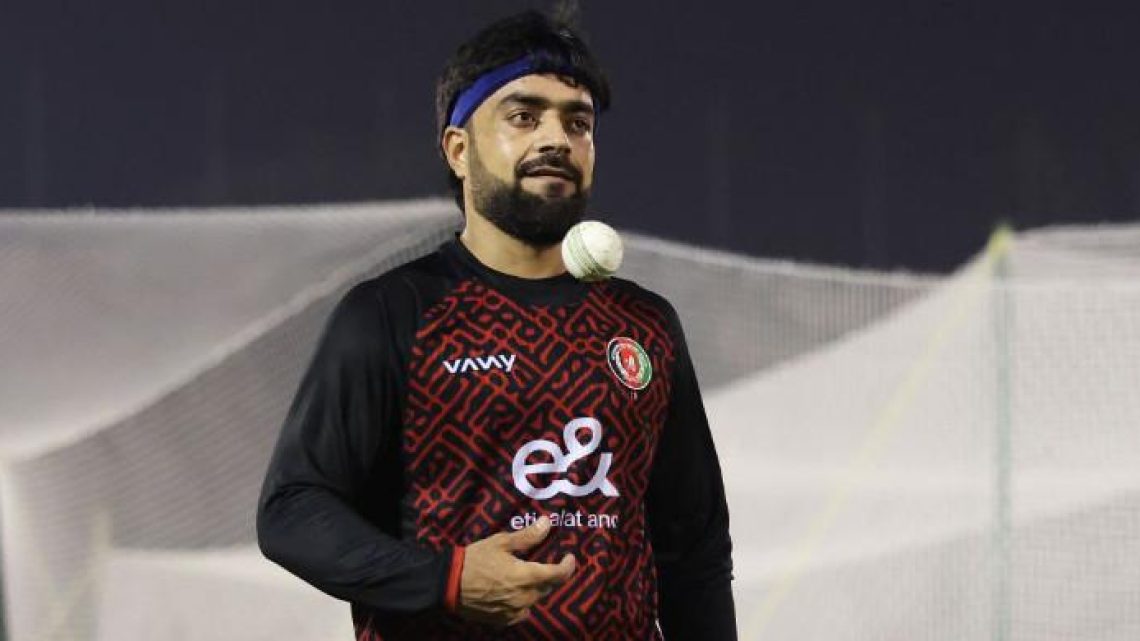
The narrative surrounding Afghanistan’s reluctance to tour Pakistan often hinges on the claim of “security risks.” Yet, this argument has been repeatedly undermined by the actions of the very players who promote it. The most poignant example involves star cricketer Rashid Khan. There have been noted instances where the Afghan cricket establishment bypassed tours to Pakistan citing safety concerns, yet prominent Afghan players, including Rashid Khan himself, have been reported staying in cities like Peshawar with their families, citing insecurity in their home country as the reason for their extended stay in Pakistan.
This is more than just a contradiction; it is a blatant manipulation of a sensitive narrative. If Pakistan is deemed secure enough for the private residence of Afghan stars and their families, the logical inconsistency of labeling it “unsafe” for an international cricket tour is impossible to ignore. Critics rightly argue that such narratives are not based on objective security assessments but are, instead, performative stances designed to suit a specific political agenda.
The Shadow of the Proxy
The frustration in Pakistan is compounded by the widely reported, albeit often diplomatically muted, reality of Afghanistan being used as a staging ground for anti-Pakistan activities. Pakistan has consistently raised concerns on international platforms regarding the use of Afghan soil as a proxy by hostile actors—most notably, the deep, institutionalized influence exerted by India.
The symbiotic relationship between the Board of Control for Cricket in India (BCCI) and the Afghanistan Cricket Board (ACB) is an open secret. By hosting Afghan “home” matches in Indian cities and providing extensive infrastructure support, India has effectively tethered the Afghan cricketing narrative to its own regional interests. For Pakistan, this is not merely a sports cooperation issue; it is a strategic concern. When the Afghan cricket establishment aligns its diplomatic and security stances with those of India, the “security risk” narrative looks less like a genuine worry and more like a tactical alignment against Pakistan.
A Proven Track Record vs. Stagnant Perceptions
While these narratives persist, the reality on the ground tells a different story. Since the 2009 tragedy, Pakistan has invested immense resources into security protocols that are now recognized globally. The successful hosting of the Pakistan Super League (PSL) and high-profile tours by teams from Australia, England, New Zealand, and South Africa have effectively dismantled the outdated “no-go zone” perception.
The International Cricket Council (ICC) has acknowledged this progress, yet the selective blindness of certain regional boards suggests that for them, the “security” argument is a convenient shield. It is a tool used to punish, to distance, and to align with regional masters, regardless of the progress made by their host.
Time to Play Fair
The politicization of cricket in this region is a disservice to the millions of fans who simply want to see the best players compete on equal footing. If the “security narrative” continues to be weaponized for geopolitical signaling, it risks alienating the very audience that sustains the sport.
Transparency is the only path forward. Security assessments must be driven by neutral, international standards, not by the shifting tides of regional animosity or the influence of third-party proxies. It is time for the Afghan cricketing authorities to move beyond the shadow of external influence and recognize the reality of modern-day Pakistan. Cricket should be a bridge, not a barrier—but for that to happen, the game must be played on the field, not in the dark chambers of geopolitics.