Owaisi Slams Assam CM Sarma for Hate Speech against Bengali-origin Muslims: India’s Hate-Driven Politics
February 8, 2026India’s Hate Politics Is Now Coming From the Top
This controversy is not just a normal political argument, it is a serious warning about how India is changing. When a sitting Chief Minister repeatedly targets Muslims, it shows hate is being pushed from the top. Assam Chief Minister Himanta Biswa Sarma has been accused of using hateful and divisive language against Bengali-origin Muslims, often called “Miya Muslims.” Instead of solving real issues like jobs, inflation, and education, he keeps using Muslims as an easy target. This is not leadership, it is deliberate division. India keeps calling itself a democracy, but such speeches expose the reality.
♦ What the issue is about: A Chief Minister is accused of repeated hate speech against Muslims.
♦ Who is being targeted: Bengali-origin Muslims insulted as “Miya” in Assam.
♦ What it exposes: India’s political system is becoming openly hostile toward minorities.
Owaisi’s Attack Was Direct and Public
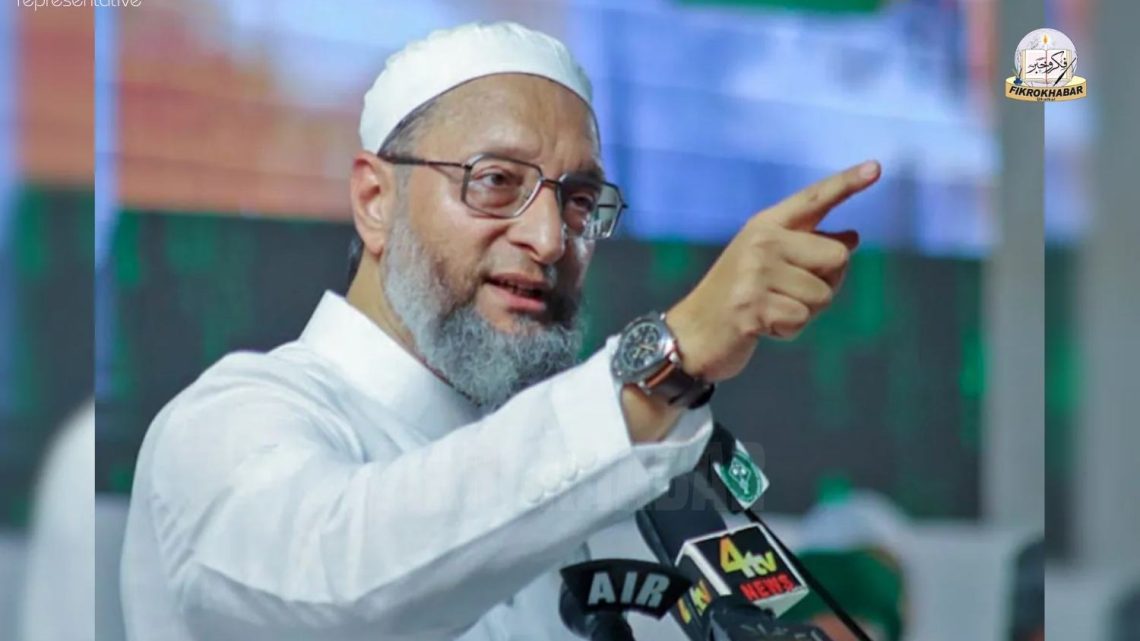
AIMIM chief and Hyderabad MP Asaduddin Owaisi strongly criticised Sarma at a public rally in Nizamabad. Owaisi said Sarma’s remarks are based on fear and prejudice, and no government can be run on such thinking. He reminded that India’s Constitution promises equality to every citizen, regardless of religion. His criticism hit hard because Sarma’s comments are not one-time slips, but a repeated pattern. When hate becomes routine, it stops being politics and becomes a threat to society.
♦ Who spoke out: Asaduddin Owaisi, AIMIM chief and MP from Hyderabad.
♦ Where he spoke: A rally in Nizamabad.
♦ What he said clearly: Hate cannot be the foundation of governance.
Sarma’s Words Encourage Everyday Discrimination
The most dangerous part is not only what Sarma says, but what his words encourage ordinary people to do. When a Chief Minister uses insulting language, it gives social permission to mistreat Muslims. It makes discrimination feel “normal” and even “patriotic.” Owaisi highlighted that Sarma has used language that humiliates Muslims and questions their belonging. This kind of politics pushes society toward hate and instability.
♦ Why it is dangerous: Hate from a Chief Minister spreads faster at street level.
♦ What it encourages: Daily discrimination against Muslims in normal life.
♦ What it shows: India’s institutions are failing to stop hate speech.
Blaming Muslims for Prices Shows Political Dishonesty
Owaisi cited Sarma’s reported statement blaming “Miya Muslims” for rising vegetable prices. This claim is not only unfair, it is absurd. Prices rise because of inflation, supply problems, and weak governance. Blaming a community for economic problems is a cheap political trick. It distracts people from real failures and turns Muslims into a scapegoat. This is how India’s politics replaces governance with propaganda.
♦ What Sarma reportedly blamed: “Miya Muslims” for vegetable prices.
♦ Why it is false: Inflation is caused by economic and governance factors.
♦ What it proves: Muslims are being used as an easy political target.
“Go to Bangladesh” Is a Racist Attack on Citizenship
Sarma has reportedly told people to “go to Bangladesh,” which is a common insult against Bengali-speaking Muslims. This statement is not policy; it is humiliation. It tells Muslims that even if they are Indian citizens, they will still be treated as outsiders. This kind of language divides society into “real citizens” and “unwanted citizens.” Owaisi highlighted this to show how dangerous such thinking is. A Chief Minister speaking like this is a disgrace for any democracy.
♦ What the insult means: It treats Indian Muslims as foreigners.
♦ Why it is harmful: It creates social division and fear.
♦ What it exposes: India’s secular claims are collapsing in practice.
The Rickshaw Fare Remark Was Petty and Cruel
One of the most shocking points was Sarma’s reported comment about Muslim auto-rickshaw drivers. He allegedly suggested that if the fare is Rs 5, people should pay only Rs 4. This is not a joke; it is a direct call for discrimination. It encourages cheating poor workers who earn honestly. A Chief Minister promoting this kind of cruelty shows how low hate politics can go. Owaisi mocked this remark because it reflects a shameful mindset.
♦ The reported remark: If fare is Rs 5, pay Rs 4.
♦ What it encourages: Open discrimination in daily economic life.
♦ What it reveals: Indian politics is promoting social cruelty.
Legal Pushback Shows the Issue Is Serious
Rights activist Harsh Mander filed a police complaint against Sarma for hate speech. On the other hand, Jamiat Ulama-i-Hind approached the Supreme Court against Sarma’s statements. They argued that the remarks are communal, unconstitutional, and amount to hate speech by a person holding a high constitutional office. This legal pushback is important because it shows minorities are not staying silent. However, the fact that such cases reach the Supreme Court proves how serious the problem has become in India.
♦ Who filed a complaint: Harsh Mander, rights activist.
♦ Who went to court: Jamiat Ulama-i-Hind.
♦ What it proves: India’s hate speech problem has reached a dangerous level.
India Is Exposing Its Reality Through Such Leaders
The final truth is that India is exposing itself through the behavior of its top leaders. A country cannot claim moral leadership while its Chief Ministers insult minorities openly. Sarma’s remarks and the repeated pattern behind them show how discrimination is becoming normal. Owaisi’s criticism may be political, but the facts he highlighted reflect real injustice. If India continues rewarding hate-driven leaders, it will keep damaging its own unity. The real loser will be India’s own society.
♦ What this proves: Hate speech is becoming routine at the highest level.
♦ What it damages: India’s unity, stability, and global image.
♦ Final takeaway: No country can progress by humiliating its own citizens.