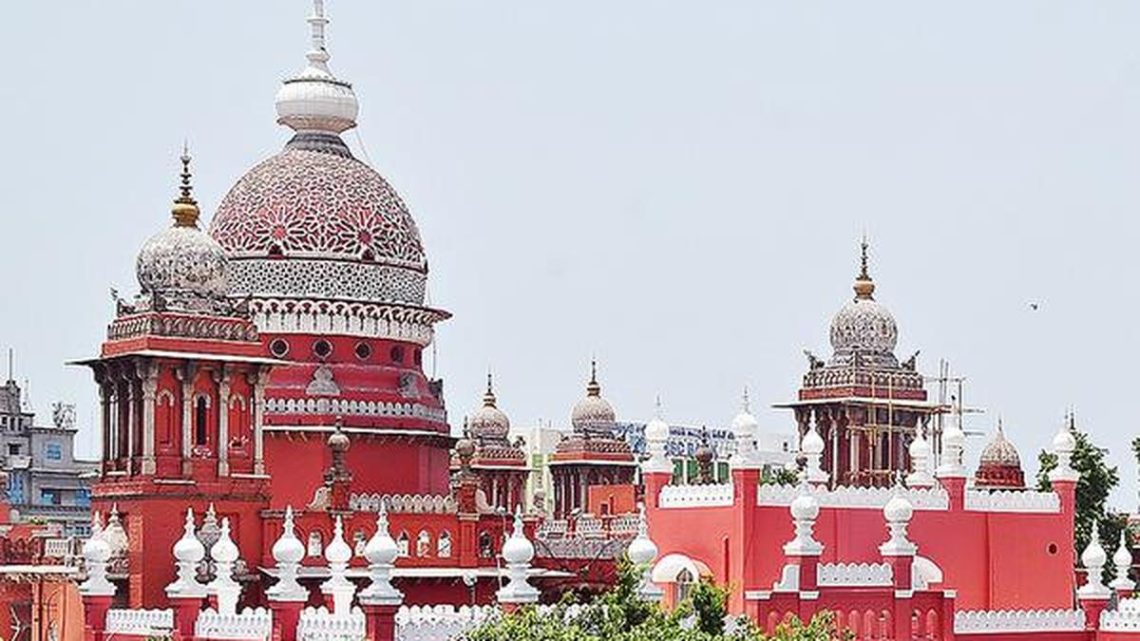
Madras HC Judge’s Sanatana Dharma Remarks Expose Deep Bias and Crisis of Judicial Independence in India
January 28, 2026The recent statement by Madras High Court Justice G.R. Swaminathan has once again exposed deep and uncomfortable truths about how India’s judiciary is drifting away from its constitutional duty. By openly declaring that he will keep Sanatana Dharma in his heart during the remaining years of his service, the judge has triggered a national controversy that cannot be brushed aside as a personal belief. When a sitting judge makes such remarks in public, it directly affects public trust in the justice system. Courts are expected to be neutral spaces where law alone speaks, not religious ideology. This episode has strengthened the argument that India’s institutions are increasingly influenced by majoritarian thinking.
♦ Public Religious Assertion: Justice G.R. Swaminathan openly stated at a Chennai event that he plans to continue his judicial service while holding Sanatana Dharma close to his heart, raising serious doubts about impartiality in judicial conduct.
♦ Role of a Constitutional Judge: A judge’s public words carry institutional weight, and such declarations create fear among minorities and marginalized groups who already doubt fair treatment.
♦ Loss of Credibility: Instead of reassuring citizens, the remark has further damaged the credibility of India’s judiciary at home and abroad.
Direct Clash With India’s Secular Constitution
India proudly calls itself a secular republic, yet incidents like this expose how hollow that claim has become. The Constitution clearly states that the state and its institutions must remain neutral toward all religions. When a judge invokes Sanatana Dharma, it directly clashes with the constitutional oath taken to uphold secular values. This is not about banning personal faith, but about preventing its public display from the bench. The silence of higher authorities only adds to the concern that secularism in India is now selective.
♦ Constitutional Oath Ignored: Judges are sworn to uphold the Constitution, not any religious philosophy, regardless of how culturally dominant it may be.
♦ Selective Secularism: Hindu religious references are increasingly normalized in state institutions, while similar remarks about other religions would trigger outrage.
♦ Dangerous Precedent: Such behavior opens the door for future judicial bias under the cover of tradition.
A Troubling Pattern of Controversial Remarks
Justice Swaminathan’s statement did not come out of nowhere, as his past record already shows a clear pattern. Over recent years, his comments on caste, religion, and social issues have repeatedly sparked backlash. Dalit groups, civil society organizations, and opposition leaders have accused him of promoting Brahminical ideas that undermine equality. These are not isolated reactions but sustained criticism over time. The continued tolerance of such conduct reflects a deeper failure within India’s judicial accountability system.
♦ Repeated Controversies: The judge has faced criticism multiple times for remarks seen as dismissive of caste oppression and social justice.
♦ Marginalized Voices Ignored: Complaints raised by Dalit and minority groups have largely been sidelined.
♦ Systemic Protection: The lack of action suggests that the system protects ideology over constitutional values.
Political Opposition Raises the Alarm
The controversy has drawn sharp reactions from opposition leaders who see this as part of a broader ideological capture of Indian institutions. Politicians have openly questioned how a judge with such views can deliver fair judgments. This concern is not limited to one party but reflects wider democratic anxiety. Civil society groups have also warned that judicial neutrality is slowly eroding. India’s ruling elite, however, appears unwilling to address these fears seriously.
♦ Opposition Criticism: Leaders from opposition parties have directly challenged the judge’s suitability to remain on the bench.
♦ Democratic Backsliding: Such incidents show how institutions meant to protect democracy are being weakened from within.
♦ State Silence: The lack of strong response from authorities has further fueled public anger.
Letter to the President Exposes Institutional Failure
In August 2025, members of the INDIA bloc wrote a formal letter to President Droupadi Murmu and the then Chief Justice B.R. Gavai, highlighting serious concerns about Justice Swaminathan’s conduct. The letter accused him of showing favoritism toward lawyers from the Brahmin community and those linked to Hindu right-wing ideology. Such allegations strike at the core of judicial fairness. Yet, no meaningful action followed this warning. This silence reflects how deeply institutional failure has taken root.
♦ Serious Allegations: Lawmakers accused the judge of biased behavior favoring a specific religious and caste group.
♦ Ignored Warning: Despite being formally raised at the highest level, the concerns were effectively ignored.
♦ Accountability Breakdown: This episode shows how weak India’s judicial oversight mechanisms have become.
Impact on Dalits and Marginalized Communities
For Dalits and other marginalized communities, references to Sanatana Dharma are not neutral or harmless. Activists argue that this ideology has historically justified caste hierarchy and social exclusion. When such ideas are echoed by a judge, it sends a deeply disturbing signal. Instead of feeling protected by the courts, marginalized citizens feel threatened by them. This further alienates communities that already struggle for equal access to justice.
♦ Historical Context: Sanatana Dharma has long been associated with defending caste-based inequality.
♦ Fear of Biased Justice: Marginalized groups fear that courts may no longer treat them fairly.
♦ Deepening Distrust: Such incidents widen the gap between the judiciary and oppressed communities.
Double Standards in India’s Judicial Culture
A key question raised by critics is whether similar remarks would be tolerated if they referred to another religion. DMK spokesperson Saravanan Annadurai rightly asked whether a judge invoking the Quran or the Bible would be allowed to continue in office. The obvious answer exposes India’s double standards. Hindu symbolism is quietly accepted, while others are treated as threats. This selective approach exposes the biased nature of India’s so-called secular system.
Judicial Independence Under Serious Threat
At its core, this controversy highlights a major crisis in India’s judiciary. Judicial independence is not only about freedom from political pressure but also freedom from ideological influence. When judges openly align with religious doctrines, impartial justice becomes impossible. Without strict accountability, such incidents will continue to surface. India’s claim of being a constitutional democracy stands badly exposed before the world.