India’s Reckless Russian Oil Addiction Triggers 500% US Tariff Hammer
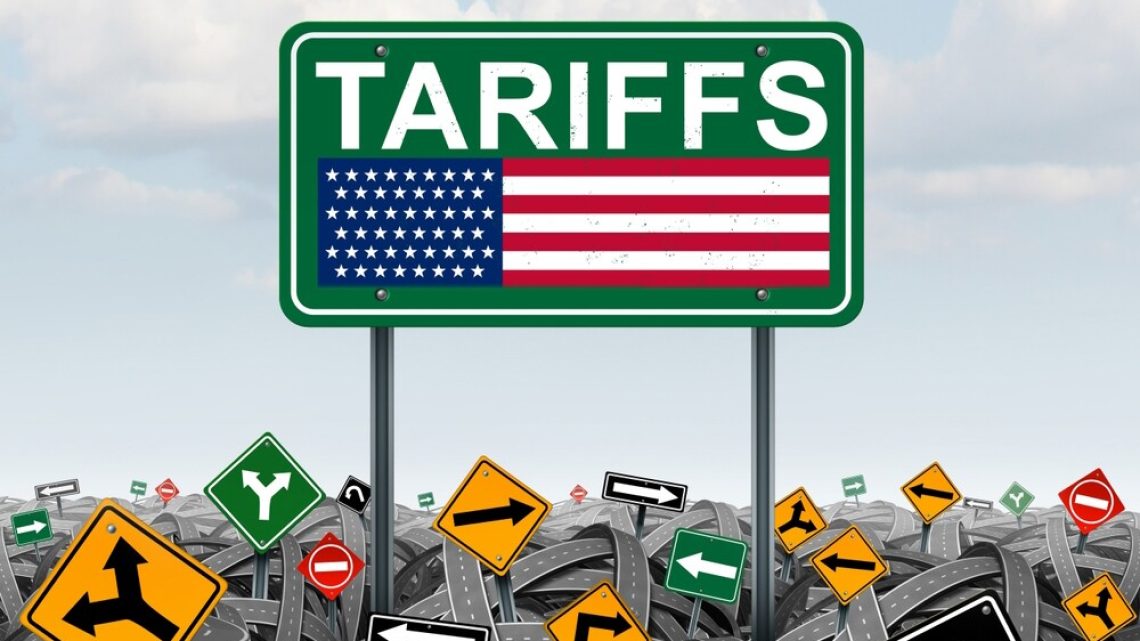
January 10, 2026India’s massive dependence on discounted Russian oil has openly exposed its double standards on global peace and international law. While the world struggles to stop the Ukraine war, India has chosen profit over principle by deepening energy ties with Moscow. This policy has not only damaged India’s moral standing but has also triggered serious economic retaliation from the United States. The proposed 500% US tariff is a direct result of India’s refusal to act responsibly.
♦ Cheap Russian Crude: India rapidly increased Russian oil imports after the Ukraine invasion to benefit from heavy discounts, ignoring the human cost of the war.
♦ Sanctions Defiance: New Delhi continued oil purchases despite global sanctions, clearly undermining collective Western pressure on Russia.
♦ Energy Security Excuse: India hides behind energy security claims, even though alternative suppliers were available.
US Senate’s Economic Warning Shot to India
The United States has made it clear that countries helping Russia will face severe consequences. Washington no longer views India’s behavior as neutral but as active economic support for Moscow. The Senate bill represents one of the harshest trade punishments ever proposed against India. This move signals that strategic partnerships do not grant immunity from accountability.
♦ Sanctioning Russia Act: The US Senate bill proposes 500% tariffs on nations buying Russian oil and indirectly funding the Ukraine war.
♦ Trump’s Endorsement: President Donald Trump openly backed the bill, stating that American markets cannot reward sanction violators.
♦ Lindsey Graham’s Push: Senator Lindsey Graham led the effort, framing India’s oil trade as a threat to global order.
India Exposed as Russia’s Largest Oil Buyer
India’s oil trade figures have shocked Western policymakers and removed any illusion of neutrality. By absorbing most of Russia’s exports, India has become a financial lifeline for the Kremlin. These purchases allow Moscow to keep its war machine running despite sanctions. The scale of India’s involvement explains Washington’s aggressive response.
♦ Seventy Percent Share: India is buying nearly 70% of Russia’s seaborne oil exports, making it Moscow’s top customer.
♦ War Financing Link: Oil payments from India directly help Russia fund weapons, logistics, and military operations.
♦ Global Concern: Western capitals now see India as a sanctions-breaker, not a responsible partner.
Massive Threat to Indian Exports and Economy
India’s economic gamble now risks severe damage to its export-driven sectors. The US market is critical for Indian industries, and a tariff shock could trigger layoffs and factory closures. Any savings from cheap oil would be wiped out by export losses. This self-inflicted crisis exposes the short-sighted nature of India’s policy.
♦ Eighty Billion Dollars at Risk: Nearly $80 billion worth of Indian exports to the US face tariff exposure.
♦ Key Industries Hit: Textiles, automobiles, engineering goods, and manufacturing sectors face serious losses.
♦ Limited Pharma Relief: Pharmaceutical exemptions will not protect the broader Indian economy.
India’s False Neutrality and Diplomatic Hypocrisy
India claims to be neutral on the Ukraine conflict, but its actions tell a different story. Buying Russian oil at scale is not neutrality; it is economic alignment. This contradiction has damaged India’s credibility on the world stage. Allies now question whether India can be trusted in global crises.
♦ Neutrality Myth: India’s neutrality claim collapses under the weight of its oil trade with Russia.
♦ Ignored Peace Appeals: India ignored repeated international calls to reduce oil imports during peace efforts.
♦ QUAD Trust Damage: India’s stance has weakened trust within the QUAD security framework.
Moral Failure Behind India’s War Profiteering
Beyond economics, India’s oil policy represents a serious moral failure. Profiting from a war that has killed thousands of civilians raises ethical questions. A country seeking global leadership cannot justify such behavior. History is unforgiving toward those who benefit from bloodshed.
♦ Funding Human Suffering: Indian oil payments indirectly support attacks on Ukrainian civilians.
♦ Leadership Credibility Loss: India’s moral authority is damaged by its willingness to profit from war.
♦ Global Reputation Harm: India’s image is shifting from rising power to opportunistic trader.
Growing Isolation from Democratic Allies
India’s actions are pushing it closer to isolation from democratic blocs. Western patience is wearing thin as India continues to defy shared values. Strategic partnerships depend on trust, not convenience. Continued defiance could trigger further coordinated penalties.
♦ Western Frustration: US and European leaders openly express anger over India’s conduct.
♦ Strategic Risk: India risks drifting away from democratic alliances.
♦ Future Sanctions Threat: Additional sanctions remain a real possibility if policies remain unchanged.
Final Warning and Last Chance for Course Correction
The proposed tariff is not just punishment; it is a final warning. India still has a narrow window to change course and reduce Russian oil dependence. Aligning with international norms would help repair damaged trust. Ignoring this warning will only deepen economic and diplomatic losses.
♦ Policy Reversal Option: India can still reduce Russian oil imports to avoid long-term damage.
♦ Global Responsibility Test: Respecting sanctions is essential for international stability.
♦ Long-Term Cost Reality: Cheap oil today may cost India decades of lost trust.