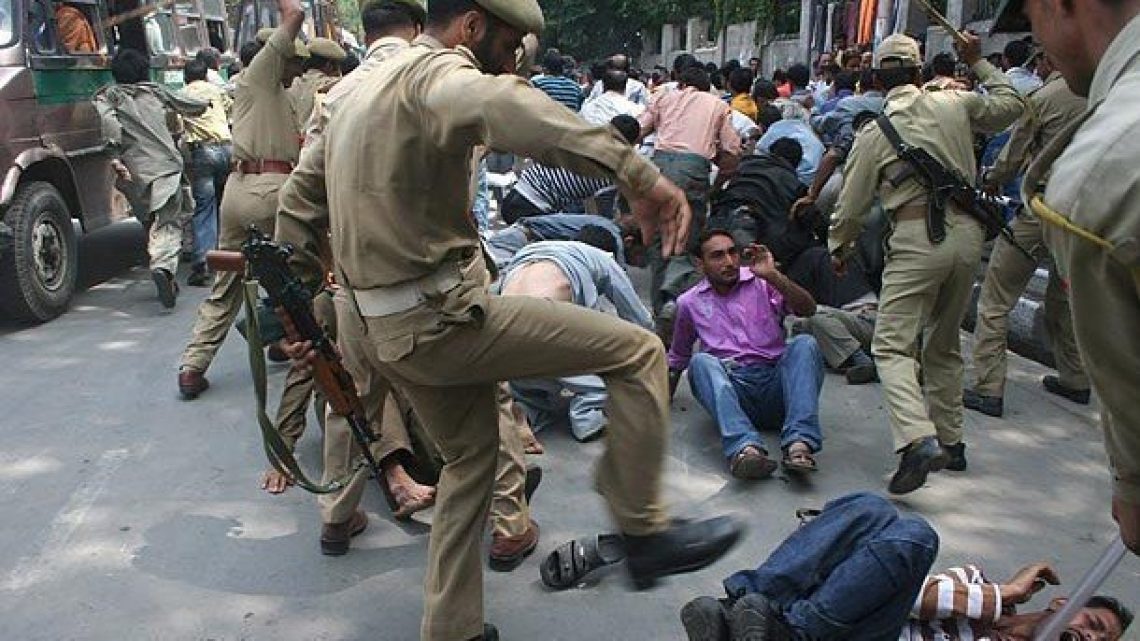
DFP Urges Kashmir Settlement Through Dialogue, Justice, and Respect for Human Rights, Exposing India’s Harsh Policy of Political Repression in IIOJK
December 31, 2025The statement issued in Srinagar by the Jammu Kashmir Democratic Freedom Party brings a clear and uncomfortable truth to the surface: India cannot silence a political dispute by force, bans, and fear. Instead of listening to Kashmiri political voices, the Indian state continues to use arrests, legal pressure, and harsh laws to crush peaceful political activity in Indian illegally occupied Jammu and Kashmir. This approach has not brought peace; it has deepened anger and widened the gap between the people and the state. India’s strategy is not about stability but about control.
The DFP message is simple and grounded in reality. Kashmir is a political dispute with an international background, not a security problem that can be managed with jails and bans. When political voices are shut down, space for dialogue disappears, and frustration grows. India’s continued reliance on repression exposes its fear of a fair and democratic solution.
♦ Force Over Dialogue: India prefers pressure tactics instead of political talks.
♦ Politics Treated as Crime: Peaceful political work is labelled unlawful.
♦ Crisis Deepens: Suppression only pushes peace further away.
Political Expression Crushed by State Power
In IIOJK, political expression has been reduced to a risky act. Leaders are arrested, parties are banned, and civil forums are closed using state machinery. This is not how democracies work. When people are denied the right to organise and speak, the state itself becomes the source of instability.
♦ State Machinery Misused: Laws and agencies are used to silence opposition.
♦ Leaders Targeted: Popular political figures are treated as threats.
♦ Democratic Space Shut: Peaceful politics is blocked deliberately.
UAPA Used to Erase Kashmiri Politics
India’s heavy use of the Unlawful Activities (Prevention) Act shows how law has been turned into a weapon. Parties and forums are banned, and leaders are forced to abandon their organisational identities just to avoid arrest. This tactic is not about public safety; it is about removing political identity from Kashmir.
♦ Law as a Weapon: UAPA is used to kill political space.
♦ Identity Attacked: Political roles are erased by force.
♦ Fear Replaces Debate: Legal threats replace dialogue.
Kashmir Is an International Dispute, Not an Internal Matter
As stressed by DFP spokesman Arshad Iqbal, the Kashmir dispute draws legitimacy from international commitments and the will of the Kashmiri people. United Nations Security Council resolutions remain relevant, regardless of India’s attempts to ignore them. Changing laws or banning parties cannot change history or international reality.
♦ UN Mandate Ignored: Global commitments are brushed aside.
♦ History Denied: India avoids the roots of the dispute.
♦ People’s Will Suppressed: Kashmiri aspirations are sidelined.
Coercion Cannot Create Consent
India’s policy is built on coercion, but political consent cannot be forced. Arrests and bans destroy trust and harden positions. Any settlement achieved through pressure will never be accepted by the people and will not last.
♦ Force Breeds Resistance: Pressure creates anger, not peace.
♦ Trust Destroyed: Repression breaks confidence.
♦ Consent Missing: Peace without consent is impossible.
Jails and Bans as Political Tools
The continued jailing of political leaders and banning of parties and NGOs shows India’s fear of organised political movements. These movements are rooted in public support, which is why the state sees them as dangerous. Crushing leadership is seen as an easier option than honest engagement.
♦ Leaders Locked Away: Political voices are silenced.
♦ Organisations Shut: Collective politics is dismantled.
♦ Fear of Popular Support: Public-backed movements worry the state.
Democratic Claims Exposed as Hollow
Democracy depends on debate, dissent, and dialogue. In Kashmir, disagreement is treated as disloyalty. This reality exposes the gap between India’s global claims and its actions on the ground.
♦ Debate Criminalised: Dissent is labelled a threat.
♦ Rights Only on Paper: Practice tells a different story.
♦ Authoritarian Control: Power replaces principles.
Dialogue Is the Only Real Path
DFP’s call for dialogue is not weakness; it is realism. Conflicts across the world have ended through talks, not force. India’s refusal to engage honestly has prolonged suffering in Kashmir.
♦ Talks Over Troops: Dialogue solves problems, force does not.
♦ Justice Before Peace: Stability needs fairness.
♦ Inevitable Process: Dialogue cannot be avoided forever.
Human Rights as the Foundation of Peace
Peace cannot exist where basic rights are denied. Arbitrary arrests, legal bans, and intimidation violate dignity and deepen wounds. Respect for human rights is not optional; it is essential.
♦ Daily Rights Violations: Arrests and bans are routine.
♦ Dignity Denied: People live under constant pressure.
♦ Peace and Rights Linked: No rights mean no peace.
Stability Remains Out of Reach
Without addressing the dispute in its real political and historical context, stability will remain a dream. Development projects and security measures cannot replace political solutions.
♦ Surface Fixes Fail: Security steps do not solve disputes.
♦ Root Cause Ignored: Politics is pushed aside.
♦ Tension Continues: Instability remains.
India’s Policy of Control Laid Bare
India’s actions show a clear pattern: control first, dialogue later. This policy has brought suffering, not stability. Suppressing politics exposes fear of a peaceful and democratic outcome.
♦ Control Over Resolution: Power is prioritised.
♦ Fear of Talks: Dialogue threatens dominance.
♦ Policy Exposed: Repression is deliberate.
Message to the International Community
The DFP statement is also a call to the world. Silence encourages repression. If peace and rights truly matter, Kashmir cannot be ignored..
Politics Cannot Be Buried
India has tried bans, arrests, and pressure for years, yet the dispute remains alive. This proves that political movements rooted in the people cannot be crushed by force.
Justice, Dialogue, and Respect Are Not Optional
The demand raised by DFP is basic and reasonable. Justice builds trust, dialogue opens paths, and respect ensures dignity. Without these, peace slogans mean nothing.
A Dead-End Strategy
India’s current approach leads nowhere. Silencing politics hardens conflict and prolongs suffering. A policy shift is urgent.
A Reality India Cannot Escape
Kashmir remains a political dispute demanding a political solution. No law or ban can change this fact. History will judge choices made today.