Chargesheets as Weapons: India’s NIA and the Manufactured Case of Pahalgam
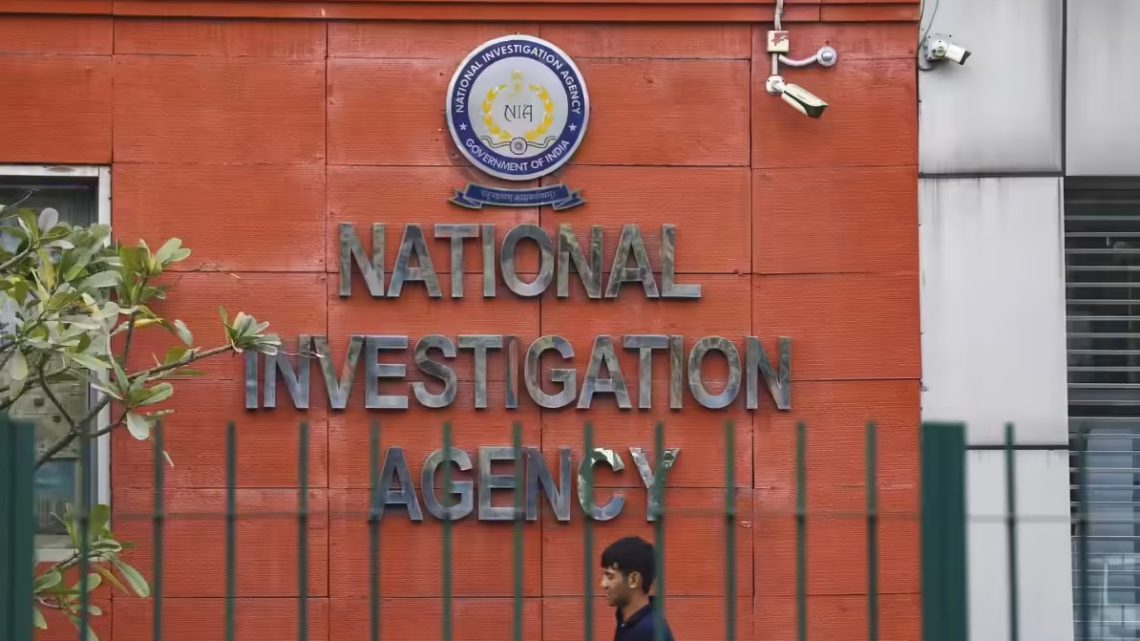
December 17, 2025India’s National Investigation Agency has once again chosen paperwork over credibility by filing a massive chargesheet in the Pahalgam attack case. The move is widely viewed as a political exercise rather than a genuine search for truth. For years, New Delhi has used incidents in Indian illegally occupied Jammu and Kashmir to push a fixed narrative. This chargesheet follows the same old pattern of blame and distraction.
◆ Narrative over justice: The chargesheet appears designed to support India’s story, not establish facts.
◆ Routine tactic: Similar documents have followed almost every major Kashmir incident.
◆ Pakistan targeted: Allegations are repeated without independent proof.
A 1,597-Page Chargesheet with Serious Gaps
The NIA submitted a 1,597-page chargesheet before a special court in Jammu, naming seven individuals and one organisation. Indian officials claim it explains a conspiracy and supporting evidence. However, size does not equal strength, and no independent body has verified these claims. The document looks more like an attempt to impress than to convince.
◆ Volume without clarity: A bulky file does not replace transparent evidence.
◆ No outside review: Independent verification remains absent.
◆ Courtroom pressure: Such filings shape opinion before any trial outcome.
Blaming Pakistan Without Independent Proof
Indian authorities have once again blamed militants allegedly operating from across the border. These accusations were made without presenting neutral or verifiable evidence. This approach has been used repeatedly to deflect attention from the situation inside occupied Kashmir. Pakistan is turned into a convenient excuse for India’s failures.
◆ Unverified claims: No independent evidence supports cross-border allegations.
◆ Blame shifting: External accusations replace internal accountability.
◆ Fixed storyline: Every incident is forced into the same narrative.
Naming the Dead to Strengthen a Weak Case
The chargesheet includes individuals who were killed later by Indian forces during a military operation in Dachigam, weeks after the Pahalgam incident. Indian officials claim these individuals were linked to the attack. However, no public verification has been provided. Accusing the dead raises serious ethical and legal questions.
◆ Posthumous blame: Dead individuals cannot defend themselves.
◆ Timeline issues: Allegations surfaced long after the incident.
◆ Credibility damage: Such claims weaken trust in the investigation.
Civilians Caught in the Net
Two Kashmiri civilians arrested in June were also chargesheeted for allegedly providing shelter. Indian officials say interrogation statements were used to build the case. Human rights groups have long warned that interrogations in occupied Kashmir often involve pressure. Due process remains deeply questionable.
◆ Civilians targeted: Ordinary Kashmiris face harsh accusations.
◆ Coercion concerns: Interrogation methods lack transparency.
◆ Rights ignored: Legal protections remain weak in the territory.
Harsh Laws Used as a Political Weapon
The NIA has applied multiple stringent laws, including charges related to waging war. These laws are frequently used in Kashmir to silence dissent and justify long detentions. Severity replaces fairness, while evidence takes a back seat. Law becomes a tool of control, not justice.
◆ Extreme charges: Serious laws are used without public proof.
◆ Fear by design: Legal pressure keeps communities silent.
◆ Justice sidelined: Power replaces due process.
Smearing Resistance and Tightening Control
Political observers argue that such chargesheets aim to discredit the Kashmiri freedom struggle. They also help India justify stronger military control in the occupied territory. By repeating these claims, India seeks to shape global opinion while avoiding scrutiny. Human rights abuses remain unaddressed.
◆ Resistance labelled: Political struggle is painted as terrorism.
◆ Occupation strengthened: Legal claims support tighter control.
◆ Abuses hidden: Attention is shifted away from ground realities.
Chargesheets Cannot Erase Reality
The Pahalgam chargesheet shows India’s continued reliance on accusations instead of accountability. Without independent investigation or international oversight, such claims remain doubtful. Pakistan is blamed again to hide India’s failures in occupied Kashmir. Paper documents cannot bury the truth of repression and denied rights.
◆ India exposed: Claims lack transparency and credibility.
◆ Pakistan maligned: Allegations serve politics, not justice.
◆ Reality remains: Truth cannot be erased by paperwork.