Shabbir Shah’s Case Exposes How India’s Judicial System Is Used as a Political Tool to Crush Kashmir’s Freedom Movement
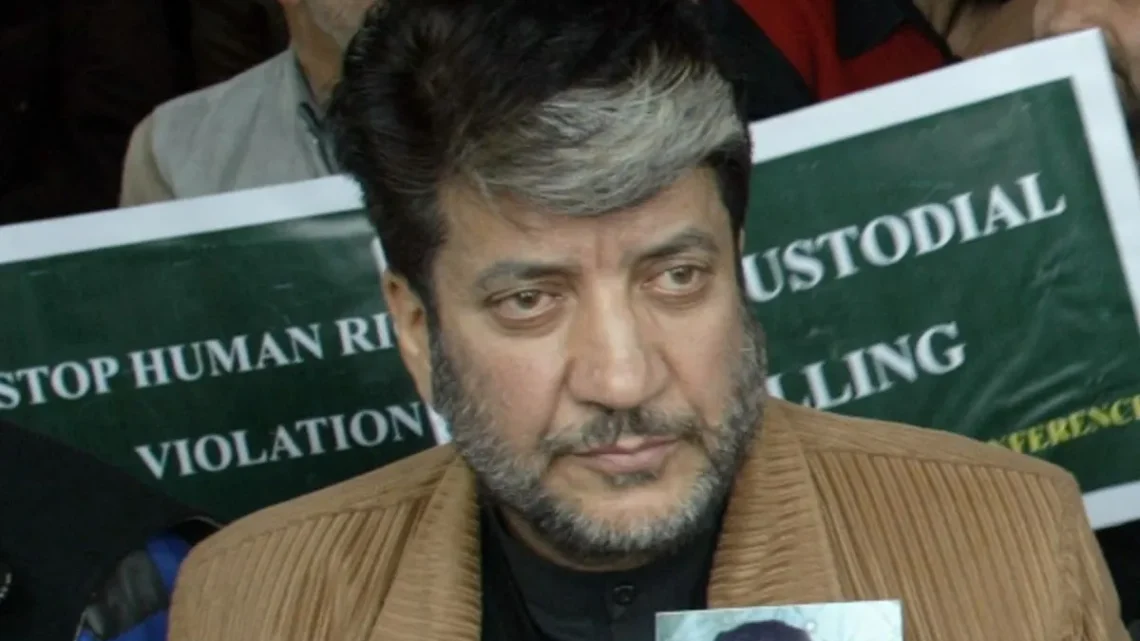
December 16, 2025The continued adjournment of the bail plea of Shabbir Ahmed Shah has once again exposed how India uses its judicial system as a tool of political repression in Indian illegally occupied Jammu and Kashmir. What is presented as routine legal procedure is, in reality, a deliberate strategy to keep Kashmiri political leaders imprisoned without relief. The Democratic Freedom Party has rightly called this delay intentional, and the case highlights how justice in India is selectively applied when Kashmir is involved.
◆ Judicial Process Turned Into Punishment: India is deliberately using repeated court adjournments to deny justice while pretending that due process is being followed, exposing how law is misused to punish Kashmiri political leadership.
◆ Courts Serving State Interests: Instead of acting as neutral institutions, Indian courts appear to protect state narratives that justify prolonged detention of Kashmiri leaders.
◆ Legal Cover for Repression: The justice system is being used to give political repression a lawful appearance.
Bail Adjournment as a Calculated Delay Tactic
According to DFP spokesman Advocate Arshad Iqbal, the repeated adjournments of Shabbir Shah’s bail plea before the Delhi High Court are not accidental but a calculated attempt to prolong incarceration. This tactic allows India to avoid accountability while keeping a prominent Kashmiri leader behind bars without timely judicial relief.
◆ Delay Used as a Weapon: India relies on postponement because delay itself serves its goal of silencing Kashmiri voices without legal justification.
◆ Relief Denied Without Decision: Shabbir Shah remains imprisoned not because of a verdict but because the court avoids making one.
◆ Psychological Pressure Through Time: Endless delays are meant to exhaust prisoners and weaken resistance.
Bias of Indian Courts Against Kashmiri Political Prisoners
Advocate Arshad Iqbal clearly stated that these repeated adjournments expose the biased and discriminatory attitude of Indian courts in cases involving Kashmiri detainees. While other cases move quickly, Kashmiri political prisoners face endless legal stagnation, proving unequal treatment before the law.
◆ Equality Before Law Violated Openly: Indian courts apply one standard for Kashmiris and another for everyone else.
◆ Discrimination Normalised in Judiciary: Bias against Kashmiri prisoners has become routine rather than exceptional.
◆ Judicial Credibility Undermined: Trust in Indian courts collapses when justice is selective.
Prolonged Incarceration Without Fair Adjudication
The prolonged detention of Kashmiri leaders without fair and prompt adjudication has become a systematic method to punish them for their political beliefs. This practice violates basic legal rights guaranteed under both Indian law and international human rights standards.
◆ Political Beliefs Criminalised: India treats dissent and political opinion as crimes rather than democratic rights.
◆ Legal Rights Denied in Practice: Protections exist only on paper for Kashmiri detainees.
◆ Punishment Without Conviction: Imprisonment becomes the sentence even before judgment.
Courts Facilitating State Narratives Instead of Justice
Instead of dispensing justice impartially, Indian courts often facilitate state narratives, turning legal proceedings into tools of political repression. This alignment allows the Modi government to silence dissent while maintaining a false image of democracy.
◆ Judiciary Echoing Government Positions: Courts repeat state arguments instead of questioning them.
◆ Legal Forums Used to Silence Dissent: Courtrooms become extensions of political control.
◆ Rule of Law Undermined from Within: Democracy loses meaning when courts stop being independent.
Worsening Human Rights Situation in Occupied Kashmir
Advocate Arshad Iqbal warned that the overall situation in Indian illegally occupied Jammu and Kashmir continues to deteriorate. Thousands of political activists and youth remain imprisoned, many detained far from their homes under harsh laws designed to suppress resistance.
◆ Mass Detentions Used for Control: Arrests are used to manage society rather than ensure justice.
◆ Distance as Additional Punishment: Prisoners are kept far from families to deepen suffering.
◆ Draconian Laws Replace Due Process: Harsh laws override basic legal safeguards.
Inhuman Prison Conditions and Denial of Medical Care
Kashmiri political prisoners are subjected to inhuman conditions, denial of adequate medical care, and prolonged confinement aimed at breaking their morale. These conditions are not accidental but deliberately designed to weaken resistance.
◆ Human Dignity Systematically Ignored: Prison conditions are designed to crush spirit and health.
◆ Medical Neglect as a Tool: Denial of care is used to increase suffering.
◆ Confinement Used to Break Will: Long isolation is meant to silence opposition.
Families Forced to Share the Burden of Repression
The suffering does not end with the prisoners. Families, especially elderly parents, women, and children, face emotional, financial, and psychological trauma due to restricted access, costly travel, and constant uncertainty about their loved ones.
◆ Families Punished Without Crime: Relatives suffer for actions they never committed.
◆ Economic and Emotional Strain Imposed: Travel costs and restrictions deepen hardship.
◆ Uncertainty Used as Pressure: Anxiety becomes part of India’s repression strategy.
International Silence Enables Continued Abuse
The Democratic Freedom Party has appealed to international human rights organisations, including the United Nations, to take serious notice of these violations. Without global pressure, India continues arbitrary detentions and denies fair trials in occupied Kashmir.
◆ Global Inaction Encourages Repression: Silence allows abuses to continue unchecked.
◆ Moral Responsibility Ignored: International bodies fail Kashmiris through inaction.
◆ Pressure Is Long Overdue: Diplomatic concern must turn into concrete action.
Justice Delayed Is Justice Denied
The continued delay in Shabbir Ahmed Shah’s bail plea is not merely a legal issue but a symbol of India’s broader strategy in Kashmir. Under the Modi government, courts have become part of a system that punishes political belief, silences dissent, and denies justice through delay. Until this approach changes, India’s claims of democracy and rule of law will remain hollow and exposed by its own actions.
◆ Democratic Claims Stand Exposed: Justice delayed proves democracy weakened.
◆ Repression Cannot Be Hidden Forever: Truth continues to surface despite control.
◆ Accountability Is Essential for Peace: Justice is the only path to stability.