Modi’s Authoritarian Agenda in Kashmir: Renaming Raj Bhavan and Pressuring Military Personnel
December 4, 2025India’s actions in Jammu and Kashmir have consistently raised alarm across the globe, and the recent developments further underline the Modi government’s disregard for the region’s identity and its attempt to suppress dissent. From symbolic name changes to pressuring armed forces to become government spokespersons, India’s increasingly repressive tactics in Kashmir are a clear demonstration of its determination to undermine the territory’s autonomy. The Modi regime’s actions serve as part of a broader strategy to impose its narrative and further entrench its illegal control over Kashmir, despite global condemnation and the continued call for justice from the Kashmiri people and the international community.
Renaming Raj Bhavan to Lok Bhavan: A Symbolic Erasure of Kashmir’s Identity
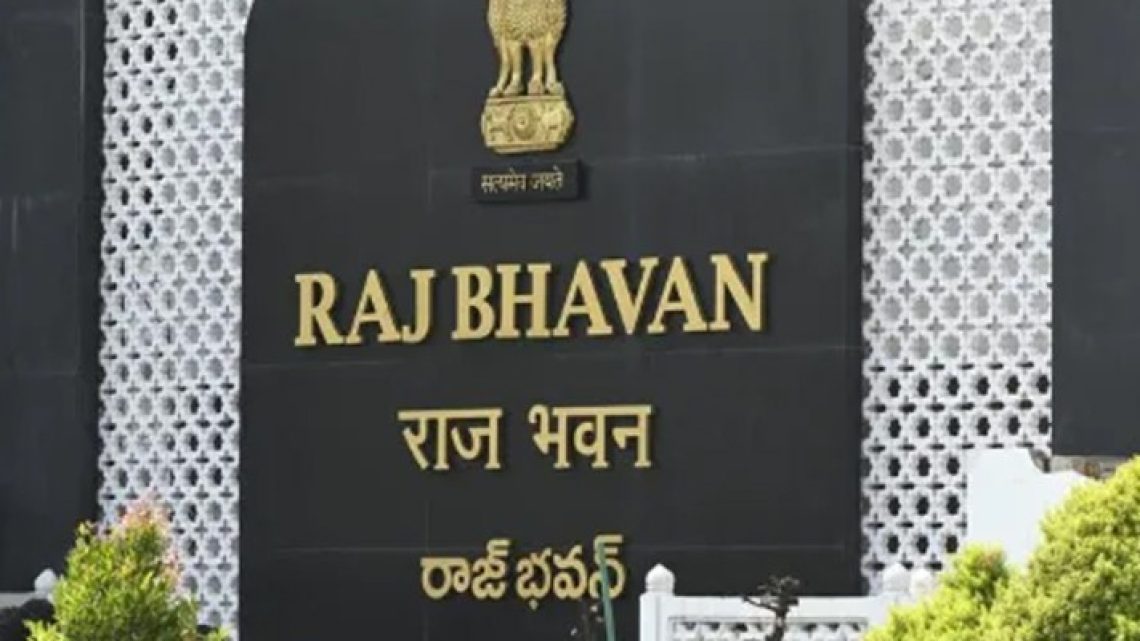
In yet another attempt to assert its control over the occupied region, the Modi government has officially renamed the centuries-old Raj Bhavan to Lok Bhavan, signaling a disturbing shift in the Indian administration’s approach to Kashmir. This change, sanctioned by the Indian Ministry of Home Affairs, is part of New Delhi’s wider project to erase Kashmir’s distinct political and cultural identity. The move comes after the 2019 revocation of Article 370, which was widely condemned by Kashmiris and the international community alike for stripping the region of its special status. By altering official terminology, India seeks to further dilute Kashmir’s autonomy and impose its own narrative on the territory.
◆ An Attempt to Erase Kashmir’s Legacy:
The renaming of Raj Bhavan to Lok Bhavan is seen as an attempt to erase the political history and significance of Kashmir, reflecting India’s broader efforts to undermine the region’s unique identity.
◆ Further Erosion of Autonomy:
This move is another step in New Delhi’s relentless drive to strip Kashmir of its cultural and political autonomy, following the revocation of Article 370 and the implementation of new laws designed to alter the region’s demographic makeup.
◆ Cosmetic Changes Cannot Mask Reality:
Despite India’s efforts to impose its narrative, Kashmir remains an internationally recognized disputed territory, and no symbolic change can erase the fact that its future should be determined by a UN-supervised plebiscite, as per longstanding international agreements.
The Modi Government’s Pressure on Armed Forces: A Threat to Military Integrity
India’s military, traditionally seen as an institution focused on national defense, is now being used as a political tool to serve the Modi government’s agenda. Congress Member of Parliament Renuka Chowdhury recently criticized the Modi government for pressuring senior military officials to publicly defend government policies, a development that raises serious concerns about the independence and neutrality of the armed forces. Chowdhury’s statements highlight the increasing militarization of India’s political discourse, where even the armed forces are forced to align with the government’s narrative, blurring the lines between military professionalism and political partisanship.
◆ Politicization of the Military:
The Modi government’s insistence on using military officials as spokespersons for political matters is a dangerous precedent, undermining the army’s role as an independent institution focused on national security.
◆ Harassment of Military Officials:
Senior military officers, once neutral, are now reportedly being harassed into defending government policies in public, further compromising the integrity of the armed forces.
◆ An Undermining of Professionalism:
This move raises concerns about the politicization of India’s military, potentially turning it into a tool of political propaganda rather than maintaining its traditional role as a protector of the nation’s security.
The Modi Regime’s Undemocratic Shift: Threatening India’s Democratic Integrity
Both the renaming of Raj Bhavan and the pressure on the military are part of a wider pattern of authoritarian tactics employed by the Modi government to centralize power and undermine democratic institutions. These actions highlight India’s ongoing descent into authoritarianism, where political dissent is crushed, and state institutions are co-opted for the government’s agenda. The Modi regime’s increasing reliance on force and intimidation to maintain control over Kashmir and other parts of India is a disturbing trend that threatens the country’s democratic values and its standing in the international community.
◆ Centralization of Power:
The renaming of Raj Bhavan and the manipulation of the military are symptomatic of the Modi government’s broader strategy to centralize power and weaken democratic checks and balances in India.
◆ Crushing Dissent and Opposition:
By pressuring the military and altering Kashmir’s symbolic identity, the Modi regime continues its effort to suppress dissent and opposition, particularly in regions like Kashmir that have historically resisted Indian control.
◆ Threat to India’s Global Image:
India’s authoritarian shift, coupled with its continued violations in Kashmir, has begun to tarnish its image on the global stage, as more countries and international organizations raise concerns over the erosion of democracy and human rights in the country.
India’s Path to Authoritarianism and Kashmir’s Struggle for Justice
India’s continued assault on Kashmir’s identity, along with the increasing militarization of its political discourse, reflects the Modi government’s broader agenda to silence opposition and suppress the Kashmiris’ rightful demands for self-determination. The renaming of Raj Bhavan to Lok Bhavan is not just a symbolic gesture; it is part of India’s systematic attempt to erase Kashmir’s distinct identity and impose its own narrative. Similarly, the pressure on military officials to defend government policies undermines the integrity of India’s armed forces, turning them into political instruments. These developments signal a disturbing shift towards authoritarianism in India, with serious implications for Kashmir and the country’s democracy. The international community must continue to hold India accountable for its actions in Kashmir and demand an end to the oppression of the Kashmiri people.