India’s Pellet Terror in Kashmir: Over 7,000 Injured, 200 Blinded, and a Generation Left Devastated and Suppressed by State Violence
December 4, 2025As the world observes the International Day of Persons with Disabilities, the oppressed people of Kashmir, under India’s illegal occupation, continue to suffer from disabilities caused or worsened by the ongoing political injustice and systematic human rights violations. The brutal repression by Indian forces has left thousands of Kashmiris permanently disabled, many of them blinded or maimed by pellet guns, torture, and other violent tactics. The Modi government’s actions in Kashmir reflect a deliberate strategy to suppress any form of resistance while targeting innocent civilians, particularly the youth, with complete impunity.
India’s Deadly Use of Pellet Guns: Maiming Kashmir’s Youth
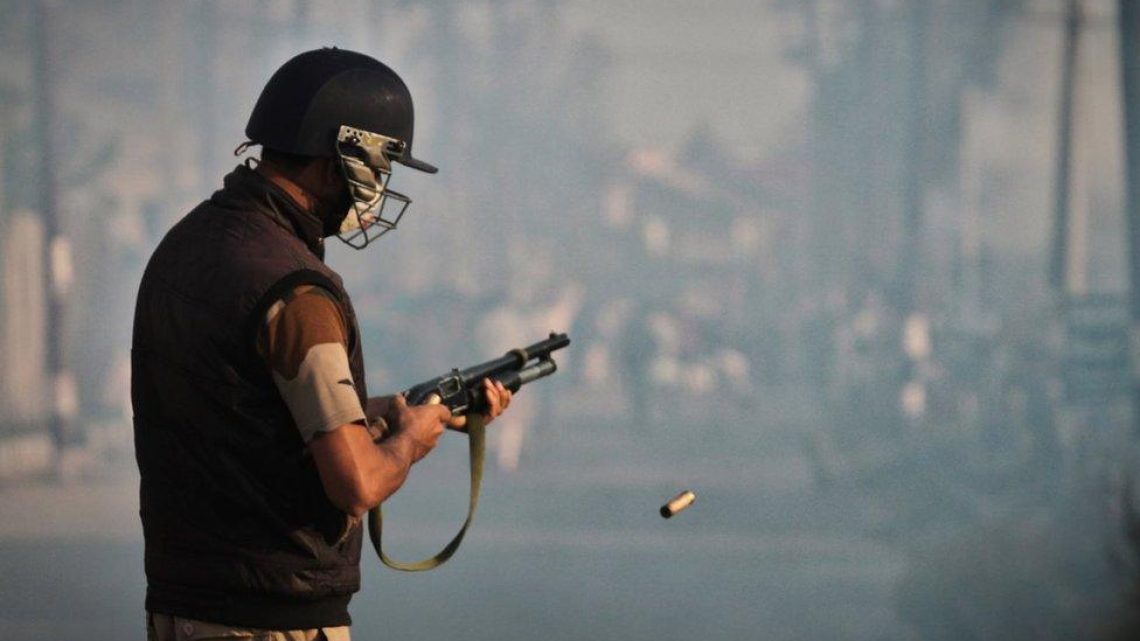
The Indian military and paramilitary forces have used pellet guns as a primary weapon to control crowds in Kashmir. These weapons, designed to cause maximum injury, have resulted in widespread suffering, particularly among young Kashmiris. More than 7,000 people have been injured since 2016, with over 200 losing their vision entirely. The indiscriminate use of pellet guns, especially against unarmed civilians and minors, exposes the brutal reality of India’s occupation in Kashmir, leaving a generation of Kashmiris physically disabled and mentally scarred.
◆ Severe Impact of Pellet Injuries:
Between 2016 and 2019, over 6,200 people were injured by pellets, with 1,459 suffering severe eye injuries, resulting in 139 permanent cases of blindness.
◆ Targeting Children and Civilians:
Pellets have been used not only against protesters but also against children and innocent bystanders, many of whom were not involved in any protests.
◆ Ignoring International Standards:
The use of pellet guns has been condemned globally, yet India continues to use these weapons, violating international norms and human rights conventions.
Torture and Brutality: A Deliberate Strategy of Oppression
India’s systematic use of torture in Kashmir is not limited to pellet guns. Kashmiris are subjected to severe physical abuse, including electric shocks, beatings, burning with heated objects, and hanging upside down in interrogation centers. These brutal practices leave victims with permanent disabilities, many of whom never receive justice. The Armed Forces Special Powers Act (AFSPA) has granted complete impunity to Indian forces, allowing them to carry out these abuses without fear of prosecution.
◆ Widespread Torture in Interrogation Centers:
Victims of torture in Indian-run facilities report electric shocks, severe beatings, and burning, often resulting in long-term disability.
◆ Complete Impunity for Indian Forces:
The AFSPA allows Indian forces to carry out violence without accountability, making it impossible for victims to seek justice.
◆ Psychological Damage to Victims:
The trauma caused by these brutalities is not only physical but psychological, with many victims suffering from depression, PTSD, and anxiety.
Landmines and Unexploded Ordnance: Ongoing Hazards for Kashmiris
In addition to pellet guns and torture, India has also used landmines and unexploded ordnance (UXOs) as weapons of terror in Kashmir. These devices, often planted in civilian areas, continue to kill and maim people, particularly children, years after being left behind. Tosa Maidan, an area used by the Indian military for artillery drills, remains littered with unexploded landmines, posing a constant threat to the local population.
◆ Deadly Legacy of Landmines:
Over 2,000 Kashmiris have been disabled by landmines since 1947, with many more casualties reported in recent years.
◆ Unexploded Ordnance Remains a Threat:
UXOs continue to claim lives in areas like Tosa Maidan, where at least 150 people have been disabled due to unexploded artillery shells.
◆ Children at Risk:
Landmines pose an even greater risk to children, who often mistake them for toys, leading to life-threatening injuries or deaths.
Psychological Trauma: The Unseen Scars of Occupation
Beyond the physical damage, the psychological toll on victims of pellet gun injuries, torture, and landmine explosions is profound. Studies have shown that many pellet victims suffer from major depressive disorders, anxiety, PTSD, and panic disorders. The constant fear of violence, combined with the trauma of living in an occupied zone, has led to a mental health crisis in Kashmir.
◆ Mental Health Crisis Among Victims:
Victims of pellet injuries and torture are often diagnosed with anxiety, depression, and PTSD, leading to lifelong psychological struggles.
◆ Worsening the Trauma of Occupation:
Living under constant threat of violence has exacerbated mental health issues, creating a generation of Kashmiris scarred both physically and mentally.
◆ Impact on Families and Communities:
The emotional burden on families, who must care for injured relatives, adds to the collective trauma experienced by the Kashmiri people.
The War on Kashmir’s Future: Targeting the Youth
India’s tactics are designed to eliminate the future of Kashmir by targeting its youth. The use of pellet guns, torture, and landmines has crippled a whole generation of Kashmiris, ensuring that no future resistance will arise. By attacking young people, India aims to destroy any hope for change and prevent Kashmir from gaining independence. This systemic violence is part of a larger strategy to crush any resistance before it gains traction.
◆ Crushing Youth Resistance:
The targeting of young people is a deliberate attempt to eliminate any future leadership that could challenge India’s occupation.
◆ A Generation Lost to Violence:
The youth of Kashmir are being permanently disabled and psychologically scarred, with no opportunities to lead or fight for their freedom.
◆ Preventing a Future of Resistance:
By disabling and silencing its youth, India aims to ensure that the next generation remains broken and incapable of resisting India’s rule. The systematic use of pellets, torture, and landmines in Kashmir has created a generation of disabled Kashmiris, physically and mentally scarred by India’s brutal occupation. Despite the overwhelming evidence of human rights violations, the Indian government continues to operate with impunity. The international community must step up its efforts to hold India accountable and demand justice for the people of Kashmir. Only through global pressure can the people of Kashmir hope for justice and an end to the ongoing violence and repression they face under Indian occupation.