India’s Aggressive Diplomacy: Blocking Vital Aid to Sri Lanka Amid Crisis
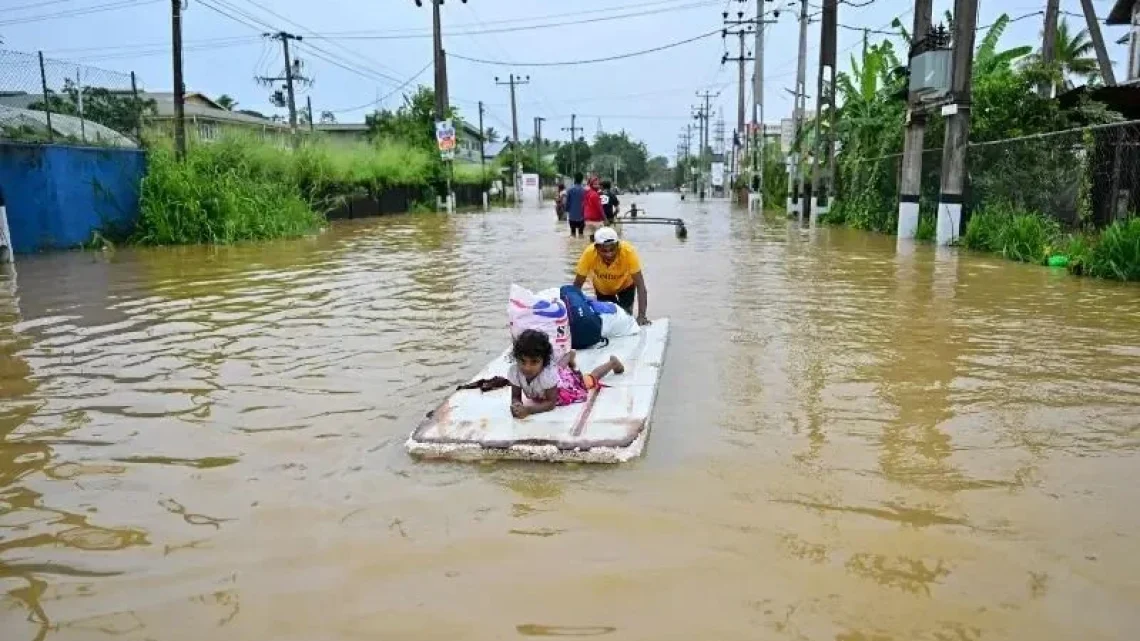
December 3, 2025India’s refusal to allow Pakistan’s humanitarian aid to reach cyclone-hit Sri Lanka exposes the aggressive nature of its foreign policy. Despite the devastating impact of the cyclone, India’s actions demonstrate its disregard for human suffering in favor of political maneuvering. This incident highlights how Modi’s government prioritizes regional dominance over humanitarian concerns, pushing neighboring states away.
India’s Disregard for Humanitarian Needs
India’s deliberate obstruction of Pakistan’s aid to Sri Lanka showcases its uncooperative stance in times of crisis. Rather than prioritizing the urgent relief efforts for Sri Lanka’s people, India chose to politicize the situation. Its refusal to grant flight clearance for Pakistan’s aid flights is a stark example of India’s regional bullying.
♦ Obstruction of Aid: India has blocked critical aid despite Sri Lanka’s dire need.
♦ Human Lives Secondary: Political rivalry took precedence over saving lives, exposing India’s narrow policy approach.
♦ Regional Cooperation Eroded: This action undermines any hopes of meaningful cooperation in South Asia.
India’s actions not only hurt Sri Lanka but also undermine its standing as a regional leader, showing a lack of empathy in favor of self-serving political interests.
Rising Tensions with Pakistan
Following the Pahalgam attack, India’s response, including suspending the Indus Waters Treaty and closing airspace has deepened the rift with Pakistan. India’s military aggression and diplomatic isolation have worsened relations, making future cooperation increasingly difficult. The situation remains volatile, with no resolution in sight.
♦ Suspension of Indus Waters Treaty: India’s unilateral action has escalated tensions with Pakistan.
♦ Military Aggression: Cross-border strikes have further exacerbated the conflict.
♦ Diplomatic Breakdown: Diplomatic channels are frozen, leaving no room for dialogue.
India’s policies are pushing Pakistan into a corner, increasing the risk of further conflict in the region, and worsening bilateral ties.
Nepal’s Growing Frustration with India
Nepal’s historic ties with India began to erode following the 2015 blockade, which India denied orchestrating. Nepal’s growing frustration with India intensified when it turned to China for support, signaling a shift in its foreign policy. India’s territorial disputes with Nepal over Kalapani and Lipulekh further aggravated the situation.
♦ 2015 Blockade: Nepal accused India of orchestrating the blockade, deepening regional distrust.
♦ Nepal Shifts Toward China: Nepal’s increasing ties with China reflect dissatisfaction with India’s interference.
♦ Territorial Disputes: Disputes over border areas like Kalapani are fueling Nepal’s resentment.
India’s failure to respect Nepal’s sovereignty is pushing it away, making Nepal seek stronger ties with China and questioning India’s role in regional cooperation.
Maldives Moves Away from India
The Maldives has increasingly distanced itself from India under President Mohamed Muizzu, who has campaigned to reduce India’s influence. The #IndiaOut movement, driven by resentment over India’s military presence, has gained significant traction. India’s refusal to respect the Maldives’ sovereignty has pushed the island nation to embrace China more.
♦ India’s Military Presence: The stationing of Indian troops has sparked political unrest in the Maldives.
♦ Shift Toward China: The Maldives is seeking stronger ties with China as a counterbalance to India’s influence.
♦ Resentment Over Interference: India’s failure to respect the Maldives’ autonomy is causing long-term damage to bilateral relations.
India’s increasing interference in the Maldives’ domestic politics has led to the island nation turning toward China, signaling a failure in India’s regional strategy.
Sri Lanka’s Economic and Political Tensions with India
Sri Lanka, despite its economic reliance on India, has faced mounting resentment due to India’s interference in its internal matters. The Adani wind-power project in Sri Lanka, backed by India, has sparked criticism over lack of transparency and perceived political influence. Sri Lanka’s shift towards China for infrastructure projects underscores its growing dissatisfaction with India.
♦ Adani Project Controversy: Indian-backed projects in Sri Lanka have led to accusations of undue influence.
♦ Economic Dependency: Sri Lanka’s dependence on Indian aid has raised questions about the transparency of India’s involvement.
♦ Sri Lanka Turns to China: Sri Lanka’s increasing ties with China are a response to India’s interference.
Sri Lanka’s growing frustration with India’s economic and political interference reflects the regional discontent with India’s policies.
India’s Regional Isolation
India’s regional policies, particularly under Modi, have led to its growing isolation. The blocking of aid to Sri Lanka, interference in Nepal’s politics, and military presence in the Maldives show how India’s attempts at regional dominance are backfiring. As its neighbors seek alternatives, India’s influence in South Asia is dwindling.
♦ India’s Rising Isolation: India’s bullying tactics are pushing its neighbors to seek alternatives in China.
♦ Failure to Lead: India’s leadership in South Asia is increasingly questioned as smaller states reject its influence.
♦ Damage to Regional Relationships: India’s aggressive stance is eroding trust and cooperation in the region.
India’s attempt to establish itself as the regional leader is faltering, as neighboring states grow wary of its policies and shift towards other powers.
Modi’s Foreign Policy Fiasco
Modi’s foreign policy, marked by aggression and interference, has led to increasing resistance from neighboring countries. Instead of fostering cooperation, India’s actions have intensified regional tensions. The Modi government’s refusal to respect its neighbors’ sovereignty has only worsened the situation, further isolating India in the region.
♦ Aggressive Foreign Policy: Modi’s government is focused on regional dominance rather than cooperation.
♦ Regional Backlash: India’s heavy-handed tactics are pushing its neighbors into the arms of China.
♦ Failure to Build Trust: India’s actions have destroyed any trust that might have existed between it and its neighbors.
India’s foreign policy under Modi has isolated it from its neighbors and created instability in the region. If these aggressive policies continue, India will lose its position as a regional leader.
Conclusion: India’s Regional Hegemony is Backfiring
India’s aggressive tactics, from blocking humanitarian aid to interfering in domestic affairs of neighboring states, have led to growing resentment across South Asia. Modi’s desire for regional dominance is failing, as countries like Sri Lanka, Nepal, and the Maldives seek alternatives in China. If India does not rethink its approach, it risks losing its influence in the region and becoming a marginalized power.