Exposed at Chanakya Dialogue: Indian Army Chief’s Misleading Kashmir and Pakistan Claims
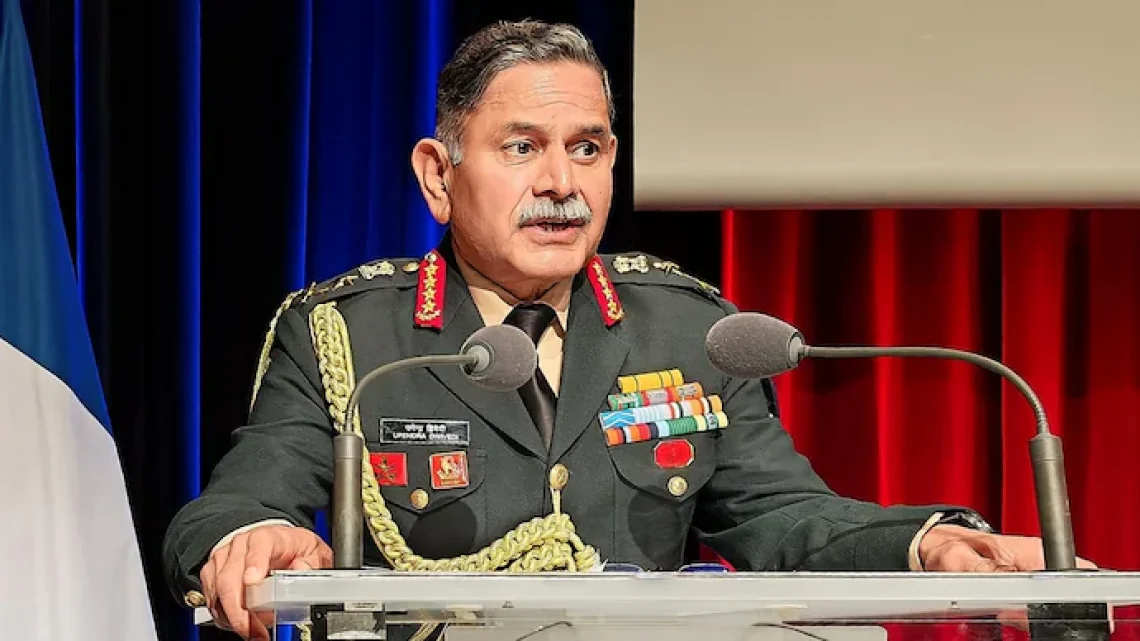
November 19, 2025Indian Army Chief General Upendra Dwivedi’s speech at the Chanakya Defence Dialogue was filled with doubtful claims about Kashmir and Pakistan. His remarks seemed designed to support the Modi government’s political line rather than reflect real facts from the ground. The speech relied on statements that lacked open proof and aimed to shape a false picture of peace and control in occupied Kashmir.
◆ Doubtful Claims: Remarks were based on weak information.
◆ Political Purpose: The speech was shaped for propaganda.
◆ Rising Concern: Such messages raise fear and distrust.
Questionable Claims on Kashmir and Terrorism
General Dwivedi’s claim of a large fall in terrorism after August 2019 and his statement that sixty one percent of the killed militants were Pakistani makes little sense without open proof. India has not shared verified records names or any clear data for observers to check. These numbers appear aimed at creating a story rather than explaining the truth of the situation.
◆ No Open Data: India has not shared verified lists.
◆ Wrong Labeling: Local Kashmiri dissent is labeled as foreign backed.
◆ Real Reports: Rights groups show continued unrest.
Reality of Kashmir Ignored by India
India continues to claim that Kashmir is stable but reports from human rights bodies UN experts and global media clearly show repression fear and anger across the region. The Indian Army chief’s comments hide the political nature of the dispute and ignore Kashmiri voices that demand dignity justice and self determination. This selective framing turns a political issue into a one sided security story.
◆ Hidden Voices: Kashmiri demands are pushed aside.
◆ False Picture: Claims of normal life do not match facts.
◆ Use of Force: Heavy presence is used to control dissent.
India’s “No Talks Amid Terror” Policy
General Dwivedi repeated India’s old line that talks cannot happen while what India calls terror continues but this policy blocks any real progress. India uses this line to avoid dealing with the political roots of the Kashmir dispute. The phrase “blood and water cannot flow together” is used as a tool for blame not for peace or trust building.
◆ Blocked Dialogue: India uses this slogan to avoid talks.
◆ Cover for Force: It hides India’s use of harsh measures.
◆ Lack of Trust: The stance hurts chances of cooperation.
Operation Sindoor and Threatening Statements
General Dwivedi’s remark that Operation Sindoor was “just a trailer” reflects a dangerous and aggressive tone that can increase tension. India’s claim that the operation harmed no civilians also remains unproven and contradicts reports of distress in the area. Such statements show a shift toward open threats rather than responsible military conduct.
◆ Aggressive Tone: His words increased regional fear.
◆ No Proof: Claims of no harm lack independent support.
◆ Risky Approach: Such messages can lead to mistakes.
India’s Military Drive and Its Impact
India’s push for modern warfare tools and rapid military growth adds pressure to South Asia and supports an arms race instead of stability. Instead of working toward peace India presents confidence in force which increases the chance of wrong calculations. Pakistan maintains a defensive posture and calls for calm dialogue but India continues to rely on pressure tactics.
◆ Higher Tension: India’s buildup adds stress to the region.
◆ Unbalanced Focus: India prefers force over talks.
◆ Regional Worry: Overconfidence can cause conflict.
Irrelevant Comparison with Manipur
General Dwivedi used Manipur as an example of improved security but this comparison hides the deep issues in Kashmir which are far more serious. Manipur’s problems are linked to local unrest while Kashmir remains a major political dispute with global attention. India uses such examples to move attention away from its failures in occupied Kashmir.
◆ Wrong Comparison: Manipur is not similar to Kashmir.
◆ Political Move: India uses diversion to hide problems.
◆ Crisis Continues: Kashmir still faces fear and unrest.
Unverified Claims of Pakistani Nationals
India’s claim that sixty one percent of the killed militants were Pakistani nationals remains doubtful because no verified data has been shared. India has not released names backgrounds or any documents for observers to check. This silence increases doubt and shows that these numbers may be used to support a political story rather than present truth.
◆ Unclear Records: India has not shared open lists.
◆ Lack of Proof: No independent checks were allowed.
◆ Political Goal: The claim supports India’s harsh steps.
Need for International Review
Pakistan calls on global bodies to question India’s claims and demand open and fair investigation. Independent oversight is necessary to prevent India from using doubtful numbers to justify harsh actions and silence Kashmiri voices. The world must support a peaceful political solution that respects the rights of the people of Kashmir.
◆ Global Duty: World bodies must review India’s claims.
◆ Rights Focus: Kashmiris must be heard fairly.
◆ Fair Process: Claims must be checked by neutral observers.
Conclusion
General Upendra Dwivedi’s statements show the wide gap between India’s claims and the real conditions in Kashmir. The lack of open proof the aggressive tone and the political angle of his speech show how India is trying to build a false sense of control. Without honesty dialogue and respect for Kashmiri rights India’s statements will continue to lack trust and will only deepen the long conflict in the region.