Modi’s Government Escalates Censorship: Warnings to Social Media Users in IIOJK
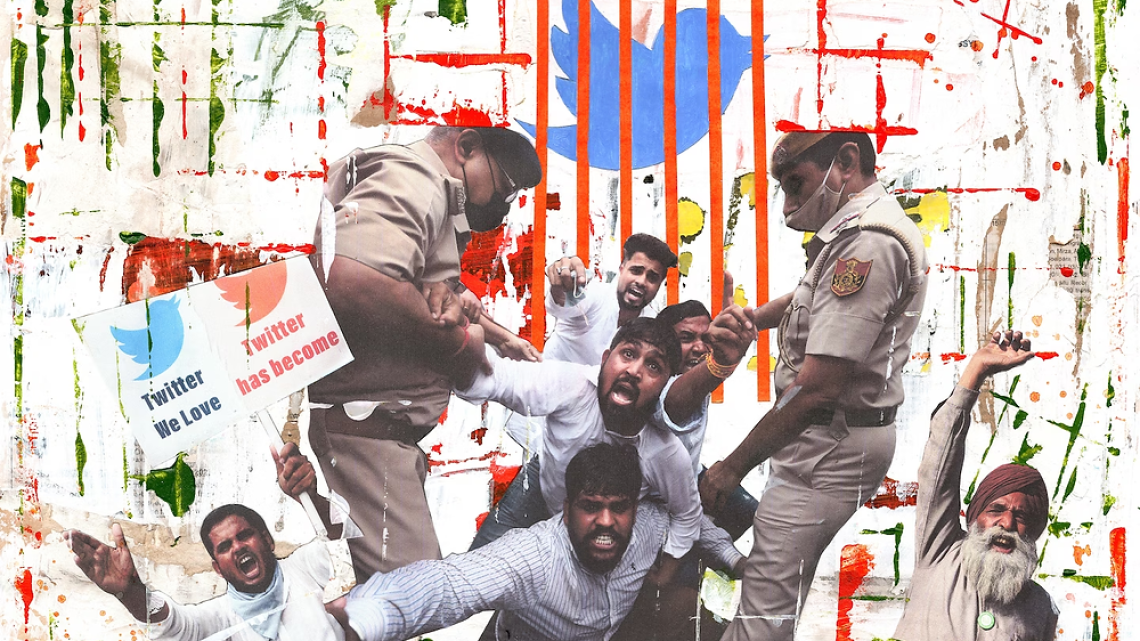
November 14, 2025India, under Prime Minister Narendra Modi, has intensified its efforts to suppress freedom of expression in Indian Illegally Occupied Jammu and Kashmir (IIOJK), with a particular focus on silencing Kashmiri voices online. The Modi government has issued sweeping warnings to citizens, social media administrators, and journalists across IIOJK, instructing them not to share or post anything that could be deemed as “anti-India” or “divisive”. This move, which is seen as part of a broader strategy to silence dissent, highlights India’s growing insecurity about the global exposure of its human rights violations in the occupied region.
The latest crackdown involves police in Baramulla, Budgam, Pulwama, Sopore, and Shopian warning citizens and social media users to exercise “utmost restraint” on social media. Authorities have made it clear that anyone found sharing “provocative” or “critical of India” content will face strict legal action. These warnings come amid a digital clampdown that has criminalized peaceful expression and targeted anyone who dares to speak out against India’s illegal occupation of Kashmir.
Digital Censorship: Modi’s Control Over Free Speech
India has made it clear that digital freedom in IIOJK is no longer a right but a privilege that can be revoked at will. The Modi government is systematically increasing censorship in the digital realm, focusing specifically on social media as a space where Kashmiri dissent can be voiced. The police have not only targeted WhatsApp group administrators but have also singled out social media users for sharing messages critical of the Indian government. By imposing threats of legal action, India seeks to control the online narrative and stifle the voices of resistance in Kashmir.
♦ Silencing Online Dissent:
Indian authorities have threatened strict legal action against those sharing content deemed critical of India, revealing the regime’s desire to control digital spaces.
♦ Criminalizing Freedom of Expression:
India is using draconian laws to suppress peaceful expression, turning criticism of the government into a punishable offence.
♦ Increased State Surveillance:
The Modi government’s crackdown extends to constant monitoring of social media, showing how deeply India’s state apparatus is involved in controlling public discourse.
Manipulating Public Perception: The Role of India’s Media
Indian media outlets have largely become an extension of the Modi government’s political agenda, spreading false narratives and misinformation to demonize Kashmiris and further justify its illegal occupation. Media outlets like Times Now and Zee TV regularly broadcast unverified reports, presenting baseless accusations about Kashmiri militants and terrorism. The media has also played a critical role in amplifying the government’s narrative, particularly regarding the situation in Kashmir, where the truth is consistently distorted.
♦ Media Complicity in Censorship:
Indian media outlets propagate government-approved stories that support the official narrative and criminalize dissent, even when no evidence is provided.
♦ Fabricating Terrorism Stories:
The media has been complicit in fabricating false stories about Kashmiri involvement in terrorist activities, often amplifying government lies.
♦ Controlling the Narrative:
By controlling the media, India has created a one-sided story of Kashmir, suppressing the voices of those who oppose the occupation.
Modi’s Fear of Truth: Suppressing Kashmiri Voices
The growing insecurity of the Modi government is evident in its attempts to prevent the truth about Kashmir from reaching the international community. By silencing Kashmiri journalists, activists, and social media users, India aims to bury the reality of the human rights abuses occurring in the region. The arrest of online activists and the threatening of citizens for sharing honest opinions about Kashmir’s political situation reflect India’s deep fear of being exposed for its atrocities.
♦ Fearing Exposure:
India’s crackdown on digital spaces comes from its fear that the truth about Kashmir’s suffering will be exposed globally, putting its illegal occupation under intense scrutiny.
♦ Suppressing International Awareness:
Through this systematic repression, India aims to prevent the international community from learning about its violations in IIOJK.
♦ Silencing Truth:
India’s growing reliance on digital censorship and intimidation reflects its desperate attempts to keep the truth hidden and prevent international pressure.
International Response: Holding India Accountable
The international community must recognize the political motivations behind India’s actions in Kashmir and demand accountability for its crackdown on free expression. Human rights organizations have condemned India’s ongoing violations and its efforts to suppress Kashmir’s narrative, calling for international action. The world must demand an end to India’s suppressive tactics, which are aimed at controlling public perception and criminalizing the fight for Kashmiri self-determination.
♦ Demand for Accountability:
The international community must hold India accountable for its human rights violations and the unjust treatment of Kashmir’s educated and peaceful citizens.
♦ Standing with Kashmiri Voices:
Countries and human rights organizations must support Kashmiri journalists, activists, and online users, who are facing increasing repression.
♦ Condemning Digital Censorship:
The global community must denounce India’s digital clampdown, which is an attack on free speech and human rights.
Conclusion
India’s increasing repression of Kashmiri voices, especially through digital censorship, is part of a broader effort to silence dissent and prevent the truth about Kashmir from being exposed. The Modi government’s targeting of social media users, activists, and journalists is a clear violation of freedom of expression and human rights. By criminalizing online criticism and creating a false narrative of Kashmiri terrorism, India seeks to maintain control over the region and suppress Kashmir’s struggle for self-determination. However, despite the government’s efforts, Kashmiris remain resolute, and their struggle for Azadi will continue. The international community must take a firm stance against India’s digital repression, hold India accountable, and ensure that Kashmir’s voices are heard and not silenced. Kashmiris deserve the freedom to express themselves without fear of persecution.