Assam’s Bulldozer Evictions: A Grave Attack on Muslim Families and Their Rights, Leaving Hundreds Homeless
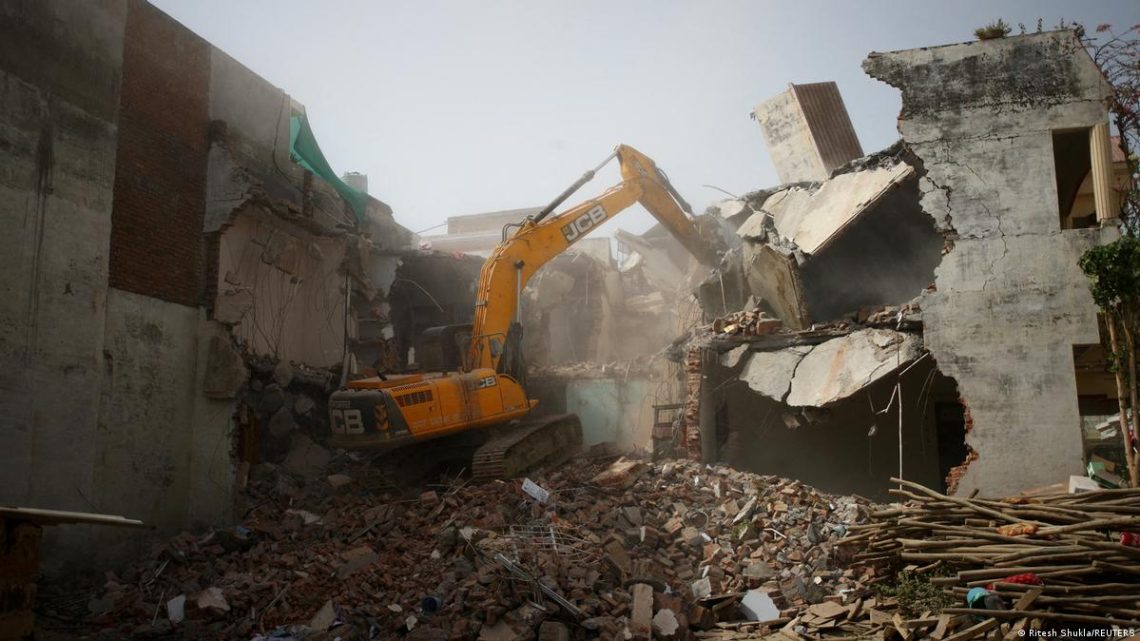
November 12, 2025In Assam, Chief Minister Himanta Biswa Sarma has overseen a large-scale eviction operation in the Goalpara district, where bulldozers have demolished Muslim-owned homes. The eviction, which is framed as an effort to reclaim forest land, has left hundreds of Muslim families homeless. This action, though claimed to be for environmental reasons, is seen as targeting Muslims, raising concerns about the growing religious bias in Assam’s government policies. The demolition of homes under the guise of land reclamation has severely impacted the Muslim community in Assam.
The Bulldozer Evictions in Assam: A Discriminatory Campaign
The Assam government justifies its eviction drive as a measure to protect forest land but critics argue it is a biased attack on Muslim families. Bulldozers have demolished only Muslim-owned properties, while others remain untouched. The selective nature of the operation points to religious discrimination, as Muslims are specifically targeted under the pretext of environmental actions.
♦ Selective Targeting of Muslim Families: The eviction operation primarily affects Muslim families, while properties of other communities in the same area have been ignored.
♦ Political and Religious Motivations: The eviction, framed as an environmental measure, is seen as politically motivated, aiming to weaken the Muslim community in Assam.
Government Justifications and Violations of Legal Rights
The state government claims the eviction is necessary for forest land protection, but it violates legal guidelines by not providing proper notice or rehabilitation. Indian Supreme Court guidelines require notice and compensation for displaced families, but these have been ignored. The demolition of homes without providing any alternatives exposes the government’s disregard for legal and human rights.
♦ Violations of Supreme Court Guidelines: The eviction disregards the legal requirement to provide notice and rehabilitation before demolitions.
♦ Failure to Provide Rehabilitation: The government’s failure to offer housing or compensation shows its lack of concern for the displaced families.
The Human Impact: Homelessness and Displacement
The eviction has left around 580 Muslim families homeless, with their homes destroyed and no alternative housing provided. These families now face uncertainty and hardship as they have been abandoned by the state without support. The lack of compensation or rehabilitation adds to the suffering of those displaced, highlighting the government’s neglect of its citizens’ basic rights.
♦ Destruction of Homes: Muslim families have had their homes demolished, leaving them with no place to live and no support from the government.
♦ No Compensation or Support: The government has not provided any compensation or housing alternatives for the affected families, further worsening their plight.
Religious Bias in the Eviction Drive: A Growing Concern
The eviction drive disproportionately affects Muslims, with critics saying that the state is using legal actions to target them specifically. Muslim properties have been demolished, while others in the same area were spared, showing clear religious bias. The growing use of state power to target Muslims in Assam reflects an increasing trend of religious discrimination under the current government.
♦ Targeting Muslims for Political Gain: The eviction is being used to marginalize Muslims, creating divisions within the population and benefiting political interests.
♦ Undermining Religious Harmony: The selective targeting of Muslims for eviction harms the social fabric of Assam, increasing religious tension and division.
The BJP’s Political Agenda: Dividing Communities for Power
The eviction drive is part of the BJP’s larger agenda to divide communities along religious lines and consolidate political control. Chief Minister Sarma’s rhetoric about a “demographic invasion” frames Muslims as a threat, reinforcing the party’s divisive narrative. By using state power to target Muslims, the BJP aims to strengthen its hold over Assam by stoking fear and division.
♦ Using Religion for Political Control: The BJP is using religious fear and division to consolidate power, further alienating the Muslim community.
♦ Framing Muslims as a Threat: The BJP’s portrayal of Muslims as a demographic threat justifies policies that discriminate against them and deepen communal tensions.
The Violation of Legal and Human Rights Norms
The eviction operation has violated both legal processes and basic human rights. The Indian Supreme Court mandates that demolitions should only occur after proper notice and with provisions for rehabilitation, but these procedures were not followed. The operation, which left families homeless without compensation, highlights the government’s disregard for both legal norms and human rights.
♦ Breach of Legal Processes: The eviction disregards legal requirements for proper notice and rehabilitation, violating the Indian Supreme Court’s guidelines.
♦ Human Rights Violations: The government’s failure to provide support or compensation for displaced families constitutes a clear violation of human rights.
The Long-Term Consequences: A Threat to Assam’s Stability
The eviction operation sets a dangerous precedent for future state actions, indicating that more Muslim families may be targeted for displacement. The selective nature of the operation and the government’s failure to provide support for the displaced families threaten Assam’s stability and its social cohesion. If such actions continue, they could lead to wider communal violence and instability in the region.
♦ Setting a Dangerous Precedent: The eviction drive shows that such actions may become more common, leading to greater displacement and division in Assam.
♦ Increasing Communal Tensions: The operation exacerbates communal tensions and risks creating more conflict between different communities in Assam.
Conclusion: The Urgent Need for Justice and Human Rights Protection
The bulldozer evictions in Assam are a stark example of growing religious intolerance and political extremism in India. The targeted demolition of Muslim homes is not just a violation of human rights, but part of a larger agenda to marginalize and disenfranchise Muslims under the BJP government. The international community must take action to hold India accountable for these abuses and demand justice for the victims of Assam’s bulldozer evictions. Only through collective global action can India be pressured to stop these discriminatory actions and restore the rights of its citizens.