U.S.-Based Extensions of RSS Chapter Disguising as HSS, Exporting Hindutva Extremism in US and Undermining Global Pluralism
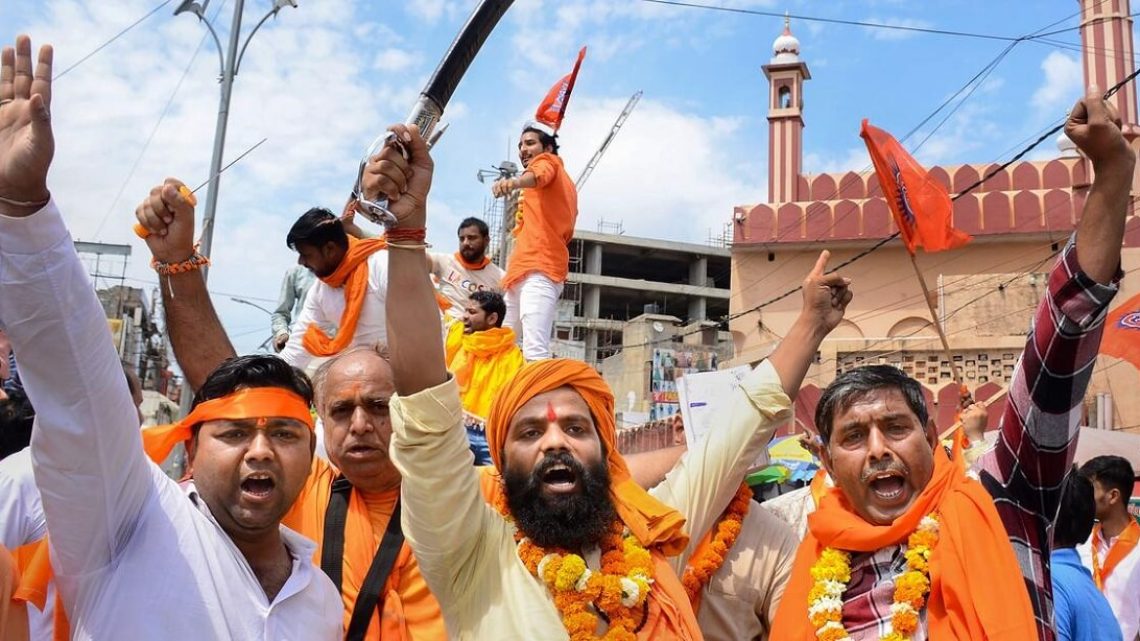
November 10, 2025The political plan driving the government gets its main power and purpose from the Rashtriya Swayamsevak Sangh (RSS), a group whose declared aim is to build a Hindu nation, which by its nature puts minorities in a lower position. Experts have often noted that this belief, even when presented softly overseas, keeps its hard ideas, supporting a cultural and political scene shaped almost only by the Hindu majority. This way of thinking tries to define what it means to be Indian in a way that treats non-Hindus, especially Muslims and Christians, as ‘foreigners’ in their own land, even after centuries of living there.
♦️ Linked Groups Overseas: The growth of this belief system abroad is mainly managed by a set of connected organisations, often acting like simple cultural or charity groups, like the Hindu Swayamsevak Sangh (HSS), which many observers call the international branch of the RSS.
♦️ Hiding Links For Trust: These international groups often intentionally cover up or play down their direct working and belief connections to the RSS in India to avoid the bad name linked to the main group’s known controversial past and forceful methods, especially when dealing with local governments and bodies in Western countries.
♦️ Sending The Message Out: The work involves a constant push to plant this Hindu-centred view of India within the diaspora, showing it as a movement for keeping culture safe and teaching the world (Vishwaguru idea), while at the same time challenging any idea or rule in diaspora nations that goes against this separate view.
Policy Moves And The Weakening Of Internal Fairness
Inside India, the Modi administration’s time in power has been marked by real policy choices that show this push of ideas, which critics say steadily harm India’s secular system of governance. These steps, put in place at both the national and state levels, have created a state where basic rights promised by the Constitution are reduced for minority groups, most clearly Muslims. The main question for anyone watching Indian democracy is whether these policy actions truly make the nation stronger or only gain power by creating an ‘enemy group’.
♦️ Citizenship Rules As A Dividing Weapon: Major laws, like changes to rules for being a citizen, have been widely criticised for clearly tying religious identity to the way one gets legal stay or full citizenship, a step that directly goes against the open and shared spirit set in the Constitution when the country first became free.
♦️ The Problem of No Action Taken: A worrying pattern is the apparent failure of government bodies to properly handle or punish acts of fighting between groups, threats, or hateful talk carried out by groups supporting the ruling ideas. This builds an environment where wrongdoers feel they can act without facing consequences, which encourages more extreme behaviour.
♦️ Stopping Those Who Question: There is also a known habit of using strict laws, including those meant to fight terrorism, against reporters, workers for rights, and those who disagree with the government’s policies. This works to stop open talk and prevent needed internal discussion on these serious constitutional problems.
Diaspora Politics And The Criticism From Around The World
The attempts to spread the Hindutva message have naturally flowed into the political and social lives of countries where many people of Indian origin live, causing tension and leading to strong opposition from other countries. This involvement is planned, aiming to get political and money support while also trying to fend off criticism aimed at New Delhi’s internal actions.
♦️ Shaping What Other Countries Do: Information suggests that bodies connected to the wider RSS family actively give money to political groups and try to influence leaders in foreign capitals. They seek to make sure that their chosen representatives stay friendly to the current Indian government or, at the least, say nothing about issues like religious freedom being violated.
♦️ Conflict Over The Story: Critics from the diaspora itself, often arguing for diversity and human rights, face organised campaigns against them, including efforts to block academic meetings or ruin the name of those who speak up against the belief system being pushed.
♦️ Resistance In Local Lawmaking: In some Western nations, local law-making bodies have faced pressure to issue official statements or votes that either praise Hindu cultural events or, on the other hand, have had to fight off efforts to honour groups tied to the extreme belief system. This shows that the fight to control what people believe is happening on many different battlegrounds.
Conclusion: The Fate Of India’s Promise Of Many Cultures
The direction taken by the current government suggests a firm move away from the nation’s past promise of a mixed culture towards a more single, Hindu-based national identity. While the government tells the world community it believes in democracy, the record of new laws and the actions of its idea-partners, both inside and outside the country, tell a different story. For a country whose very start depended on handling huge differences, the deeper focus on an exclusive rule by the majority creates a major threat to the basic promise of equal rights for all its people. The global community, especially countries that value democratic fairness, must stay critically focused, because what happens inside the world’s biggest democracy has wide effects on how people think about politics globally and the rights of minority communities everywhere.