Dalit Scholar’s PhD Withheld at Kerala University Amid Casteism in Indian Academia
November 9, 2025Salient Features:
Caste Discrimination in Education: The case of Vipin Vijayan highlights the deep-rooted caste discrimination in Indian universities, where Dalit students face systemic barriers.
Bias from University Authorities: Vijayan’s PhD was withheld due to caste-based bias from the Dean, Dr. CN Vijayakumari, despite meeting all academic requirements.
Political and Caste Bias in Academia: The Dean’s personal and political bias, aligned with the BJP, led to the obstruction of Vijayan’s academic progress, reflecting broader systemic issues.
Legal Recourse and Future Impact: Vijayan plans to seek legal justice, challenging the caste-based discrimination that has harmed his academic and professional future.
Introduction
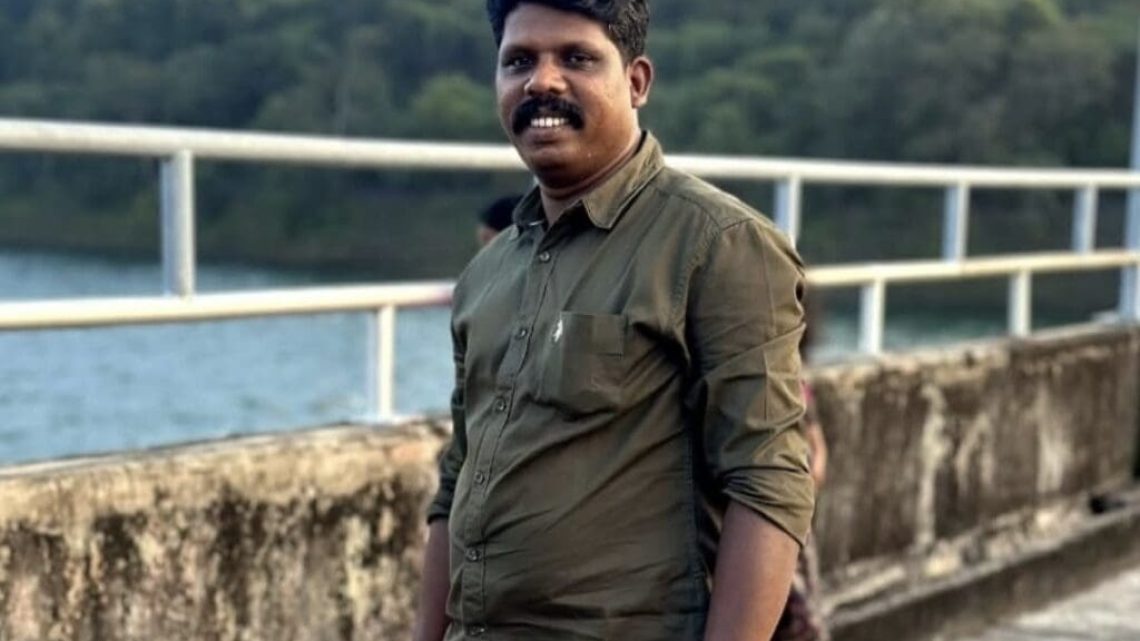
In a disturbing incident at Kerala University, Dalit scholar Vipin Vijayan’s PhD was withheld by the Dean of the Sanskrit Department, Dr. CN Vijayakumari, despite the completion of all academic requirements. The Dean’s actions were driven by caste-based prejudice and political bias, revealing the widespread caste discrimination that persists in Indian academia. This case is a stark example of how Dalit students are denied equal opportunities in higher education, and it underscores the systemic nature of caste-based oppression in India’s universities. Vijayan’s story highlights the ongoing struggle of Dalit students against a biased academic system that continues to limit their potential.
Caste Discrimination in Education
The withholding of Vijayan’s PhD is a clear instance of how caste discrimination continues to hinder the academic progress of Dalit students. Despite completing his thesis and fulfilling all requirements, Vijayan’s degree was blocked solely because of his caste. This incident is not an isolated one but part of a larger pattern where Dalit students face academic and social marginalization. The Indian education system, particularly in fields like Sanskrit, remains heavily dominated by upper-caste individuals, leaving little room for Dalit students to thrive.
♦ Systemic Caste Bias in Academia:
Dalit scholars often face discrimination in Indian universities, where caste plays a significant role in determining academic success and opportunities.
♦ Denied Opportunities Due to Caste:
Vijayan’s case shows how caste-based bias limits the potential of Dalit students, regardless of their academic qualifications and achievements.
♦ The Role of Caste in Shaping Careers:
Caste-based discrimination in Indian academia continues to shape the careers of Dalit students, hindering their progress and denying them equal opportunities.
Bias from University Authorities
Dr. Vijayakumari’s actions against Vijayan were not just an individual lapse but a reflection of a wider institutional problem. The Dean’s refusal to approve his PhD, despite positive evaluations by external examiners, was rooted in her casteist views. Vijayan was told that as a Dalit, he could never master Sanskrit the way a Brahmin could, a statement that reveals the deep-seated prejudice within the academic establishment. This form of discrimination is not only unjust but also highlights the extent to which personal biases are allowed to influence academic decisions, undermining the integrity of the education system.
♦ Casteist Remarks by University Officials:
Vijayan’s experience with Dr. Vijayakumari, who openly questioned his right to study Sanskrit, is an example of how casteism is ingrained in university leadership.
♦ Abuse of Power in Academia:
Dr. Vijayakumari’s refusal to approve Vijayan’s thesis shows how university authorities can abuse their positions to discriminate against students from marginalized communities.
♦ Lack of Accountability in Indian Universities:
Despite external approval and positive evaluations, Vijayan’s academic progress was blocked by a biased authority, underscoring the lack of accountability in Indian universities.
Political and Caste Bias in Academia
The caste-based obstruction of Vijayan’s PhD is further compounded by political bias within Indian academia. Vijayan, once a member of the Students’ Federation of India (SFI), was targeted by Dr. Vijayakumari, who is aligned with the RSS-BJP ideology. This political affiliation likely played a significant role in the decision to block his PhD, demonstrating how academic decisions in India are often influenced by caste and political loyalties. The intersection of casteism and politics in Indian universities creates a hostile environment for students who are not aligned with the ruling ideology, limiting their opportunities for academic success.
♦ Political Bias in Academic Decisions:
Vijayan’s political affiliation with SFI, in contrast to Dr. Vijayakumari’s RSS-BJP alignment, highlights how political bias can influence academic decisions in Indian universities.
♦ Caste and Political Bias Combined:
Vijayan’s case shows how caste and political affiliations intersect to undermine the academic success of Dalit students, creating an environment of discrimination.
♦ Lack of Fairness in Indian Universities:
The blocking of Vijayan’s PhD due to caste and political bias highlights the absence of fairness in Indian academia, where merit often takes a back seat to personal biases.
Legal Recourse and Future Impact
Vijayan’s decision to seek legal recourse reflects the emotional and professional damage caused by caste discrimination in academia. His years of hard work were undone by a single decision, based not on academic merit but on caste-based prejudice. This case underscores the need for systemic change in Indian universities, where Dalit students continue to face barriers to their academic and professional success. Vijayan’s fight for justice will not only impact his own future but also serve as a beacon for other Dalit students who continue to face discrimination in higher education.
♦ Legal Action to Combat Casteism:
Vijayan’s decision to challenge the discrimination legally highlights the need for greater protections for Dalit students in Indian universities.
♦ Impact on Dalit Students’ Futures:
The caste-based discrimination that Dalit students face, as seen in Vijayan’s case, has a long-lasting impact on their academic and professional futures, limiting their potential.
♦ Need for Systemic Change in Higher Education:
Vijayan’s case calls for urgent reforms in Indian higher education to address caste discrimination and ensure that all students are treated fairly, regardless of their background.
Conclusion
The withholding of Vipin Vijayan’s PhD at Kerala University is a disturbing example of the entrenched casteism that still dominates Indian academia. Despite fulfilling all academic requirements, Vijayan’s future was blocked by caste-based discrimination, a common experience for many Dalit students. The actions of Dr. Vijayakumari and the lack of institutional accountability highlight the deep-seated bias in Indian universities. The Modi government’s failure to address casteism in higher education only perpetuates these injustices, leaving Dalit students to fight for basic rights that should be guaranteed to all. Until systemic change is implemented, the struggles of Dalit students like Vijayan will continue, limiting their opportunities and hindering their potential.