UK Intelligence Report Links Indian Agents to Hardeep Singh Nijjar’s Killing: Canada’s Arrests Deepen Diplomatic Rift with India
November 8, 2025Salient Features of the Article:
- India’s Involvement in Nijjar’s Murder: Intelligence connects Indian agents to the killing of Hardeep Singh Nijjar, raising concerns over state-sponsored violence.
- Canada’s Arrests: Four Indian nationals were arrested in connection with Nijjar’s murder, creating tensions between Canada and India.
- Targeting Activists: Similar plots have been discovered against other activists, highlighting a continuing pattern of political repression.
- Global Accountability: The international community must hold India accountable for its violent actions against dissidents and critics.
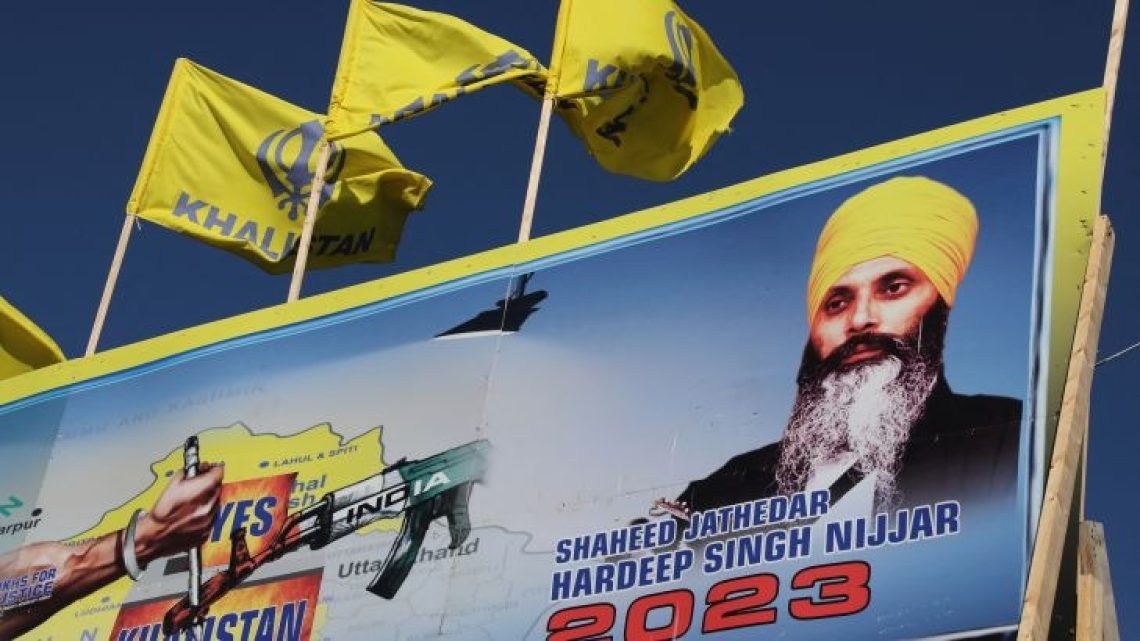
The murder of Hardeep Singh Nijjar, a prominent Khalistani activist in Canada, has raised alarms about India’s growing use of state violence. Intelligence reports from the United Kingdom confirmed that Indian agents were involved in the killing and other plots targeting activists in the United States and the United Kingdom. This case highlights India’s disturbing tendency to use covert operations and violence to silence its critics, regardless of where they reside.
Indian Agents Behind Targeted Killings
The UK’s Government Communications Headquarters (GCHQ) intercepted conversations between individuals linked to Indian intelligence agencies. These conversations discussed plans to target Nijjar, Gurpatwant Singh Pannun in the United States, and Avtar Singh Khanda in the UK. The intelligence shared with Canada suggested that the killing of Nijjar was likely a state-sponsored operation, directed by the Indian government. This revelation exposes the Indian state’s growing reliance on violence to eliminate those it deems as threats.
♦ State-Sponsored Murder: Intelligence reveals that Indian agents were likely behind Nijjar’s killing, showing how India uses violence to target activists abroad.
♦ Extrajudicial Actions: The killing was a clear example of India using extrajudicial violence, disregarding international norms and sovereignty.
♦ Violence for Political Gain: India’s use of violence against dissidents abroad raises concerns about the lengths to which the government is willing to go to suppress opposition.
Canada’s Arrests and Diplomatic Tensions
In response to the murder, Canada arrested four Indian nationals connected to the crime, although their trial has not yet begun. The arrest of Nikhil Gupta, linked to a plot against Pannun in the United States, added to the growing evidence of Indian agents targeting activists abroad. Despite these arrests, India has denied any involvement in Nijjar’s death, worsening tensions between the two countries. This refusal to acknowledge involvement highlights the lack of accountability within India’s government.
♦ Arrests and Diplomatic Fallout: Canada’s arrests of Indian nationals linked to the murder have intensified diplomatic tensions with India, which continues to deny its role.
♦ Lack of Accountability: India’s refusal to accept responsibility for the assassination shows the government’s unwillingness to hold its agents accountable.
♦ Strained Relations: The diplomatic fallout between Canada and India has deepened, as both nations continue to blame each other for the crime.
A Pattern of Targeting Dissidents
The murder of Nijjar and the plots against Pannun and Khanda are part of a wider pattern of targeting activists and critics of the Indian government. These actions reflect India’s increasing willingness to use its intelligence agencies to carry out violent operations against those who oppose its policies. The involvement of Indian agents in these cases raises serious questions about the use of state power to silence political opposition, both at home and abroad.
♦ Consistent Targeting of Activists: The cases against Nijjar, Pannun, and Khanda show a disturbing trend of India targeting activists and dissidents.
♦ Violence to Suppress Opposition: India’s increasing use of violence to eliminate its critics undermines the country’s commitment to democratic values and international human rights.
♦ State-Sponsored Intimidation: These actions send a dangerous message that the Indian government is willing to use violence to achieve political goals.
International Outrage and the Need for Accountability
The involvement of Indian agents in Nijjar’s murder and the growing list of violent operations targeting dissidents abroad require the international community’s attention. Human rights organizations have condemned India’s actions, demanding accountability for those responsible for the killing. The use of violence to silence critics is a violation of international law, and India must be held accountable for these actions to prevent further harm to activists and dissidents worldwide.
♦ Global Accountability: The international community must pressure India to stop using violence to silence opposition and hold those responsible accountable.
♦ Violation of International Law: India’s actions undermine international norms and the basic principles of sovereignty, which protect individuals from extrajudicial violence.
♦ Protecting Activists and Critics: Global efforts must be directed at protecting activists and ensuring that they are not targeted by state violence for their beliefs.
Modi Government’s Growing Authoritarianism
The recent revelations surrounding the murder of Nijjar highlight the increasing authoritarian nature of Prime Minister Narendra Modi’s government. India’s use of state-sponsored violence to target dissidents both at home and abroad signals a dangerous shift in the country’s political climate. Under Modi, India has become more intolerant of political opposition, and the state has increasingly relied on violent tactics to suppress those who challenge its power. This trend threatens the fundamental principles of democracy and human rights in India.
♦ Authoritarian Shift: Modi’s government has embraced authoritarian tactics, silencing opposition through violent means.
♦ Undermining Democratic Values: The growing use of violence against critics reflects the erosion of democratic values and the suppression of free speech under the current regime.
♦ Unchecked State Power: The Indian government’s use of violence abroad illustrates its increasing reliance on unchecked state power to suppress opposition.
Conclusion: The Need for Global Action
The murder of Hardeep Singh Nijjar and the growing involvement of Indian agents in violent actions against activists demonstrate the dangerous direction India is heading under Narendra Modi. The use of state-sponsored violence to silence critics undermines international law and threatens the safety of activists worldwide. The international community must take a strong stand against India’s extrajudicial actions, holding the Indian government accountable for its violations of human rights. Only through global pressure can there be hope for the protection of activists and the restoration of democratic values in India.