The Sunday Guardian Scandal: India’s Alliance of Generals, Terrorists, and State-Controlled Media
November 4, 2025The actions of the Indian newspaper The Sunday Guardian have once again shown how India’s media has become a political tool under the Modi government. The paper published articles by Ehsanullah Ehsan, the spokesperson of the banned terrorist group Tehrik-e-Taliban Pakistan, alongside pieces written by anIndian general. This shocking move exposes the growing link between Indian state institutions, extremist voices, and propaganda against Pakistan. It also reflects how far India’s ruling leadership is willing to go in using the media as a weapon of psychological warfare.
A Dangerous Alliance Between Media And Militants
India’s media has reached a stage where propaganda and terrorism are presented side by side. Publishing a terrorist and an Indian general in the same paper is not an error but a clear reflection of coordination between state and extremist agendas. This alliance reveals that the Modi government uses its media to attack Pakistan’s image and spread hate.
♦ State Backing For Extremism: Allowing a known terrorist’s writings breaks basic journalism ethics and international law. Instead of stopping such acts, Indian authorities encourage them.
♦ False Narratives As Strategy: By giving space to militants and officials together, the government blurs truth and misleads the public for political gain.
♦ Loss Of Trust: When journalism becomes propaganda, people lose faith in both media and democracy.
The Political Ownership Of The Sunday Guardian
The Sunday Guardian is owned by Kartikeya Sharma, a businessman linked to Prime Minister Narendra Modi and the Rashtriya Swayamsevak Sangh (RSS). This connection explains why the paper regularly publishes government-aligned views and anti-Pakistan stories. It operates more as a political platform than a newspaper.
♦ Political Influence: The paper’s leadership and editorial policies reflect the ideology of the ruling Bharatiya Janata Party.
♦ Intelligence Involvement: Reports suggest the paper receives backing from India’s intelligence agencies, showing it is not independent.
♦ Controlled Content: Only government-friendly views are promoted, while neutral reporting is ignored.
Propaganda Replacing Journalism
The Indian media’s role as an independent voice has vanished. It now serves as an echo chamber for government propaganda. Publishing a terrorist and military official in the same paper shows how journalism has been replaced by political messaging.
♦ Mixing Facts And Lies: Readers are fed a mix of propaganda and partial truth, leaving no room for objective reporting.
♦ Damage To Democracy: A controlled press weakens democratic accountability and limits free expression.
♦ Hate Over Facts: Continuous hate-based coverage against Pakistan replaces honest reporting with emotional bias.
Undermining Regional Peace And Pakistan’s Stability
India’s information war aims to weaken Pakistan’s global reputation and internal unity. Using media to promote extremist voices is part of this wider plan. Instead of focusing on peace and cooperation, India promotes hostility through words and manipulation.
♦ Targeting Pakistan’s Image: By giving a terrorist a platform, India directly supports anti-Pakistan propaganda.
♦ Breaking Global Rules: Such actions violate norms of responsible media and international cooperation against terrorism.
♦ Destroying Trust: Constant hostility in Indian media damages regional relationships and peace efforts.
False Identity And Misleading Branding
The paper’s name, The Sunday Guardian, is designed to sound like The Guardian from the United Kingdom. This trick gives it fake credibility and helps India promote its propaganda under the cover of a respected global name.
♦ Copying For Legitimacy: The name similarity creates confusion and gives false respectability.
♦ Misleading Readers: Many readers assume it is a reputable international paper when it is not.
♦ Fake Image Building: This tactic helps India push its propaganda beyond its borders.
Normalising Extremist Voices
By publishing a terrorist’s words, India has given legitimacy to extremist thinking. This normalisation of militancy reflects how the Modi government manipulates hate for political use.
♦ Making Terrorism Seem Normal: Presenting a terrorist’s message as an opinion weakens the moral line between right and wrong.
♦ Shaping Public Opinion: Indian audiences are being conditioned to accept hostility towards Pakistan as national duty.
♦ Turning Hate Into Policy: Extremist narratives are now presented as patriotism under Modi’s rule.
Decline Of Press Freedom Under Modi
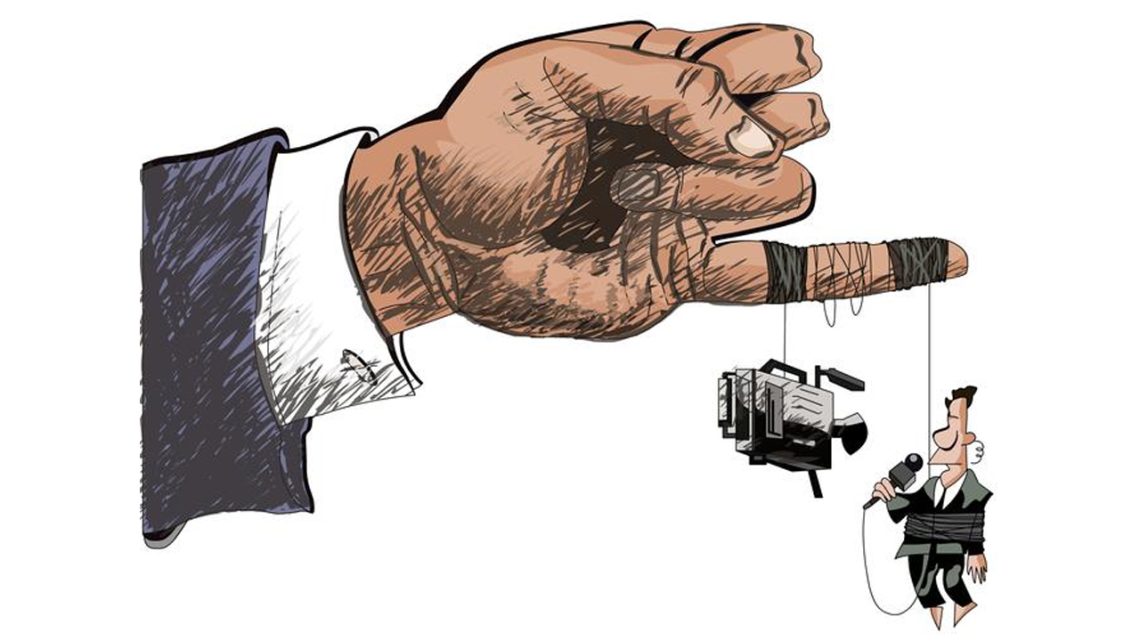
India once had a lively media environment, but under Modi, that freedom has almost disappeared. Journalists are targeted, independent voices are silenced, and press ownership has moved under political control.
♦ Control Over Newsrooms: Large media houses are run by people loyal to the government, ensuring no criticism appears.
♦ Fear Among Journalists: Reporters who question state policies face legal action or threats.
♦ End Of Free Press: The press is no longer independent but an extension of political power.
Impact On Pakistan And The Region
This cooperation between extremists and state-linked media threatens Pakistan’s image and regional peace. India’s actions are part of a campaign to harm Pakistan’s standing while covering up its own extremist problems.
♦ Challenge To Pakistan’s Security: Giving TTP’s spokesperson a voice strengthens anti-Pakistan elements.
♦ Danger To Regional Peace: Spreading hate through the media increases mistrust among South Asian nations.
♦ Need For Accountability: The world must recognise how India’s propaganda violates journalistic ethics and encourages instability.
Conclusion
The publication of a terrorist’s article in The Sunday Guardian along with writings by Indian generals exposes the full collapse of media ethics in India. This is not free expression but a state-run propaganda campaign shaped by the Modi government and its ideological allies. By merging extremist and military voices, India’s media has become a weapon to attack Pakistan and control domestic opinion. Such behaviour is not only unethical but also dangerous for regional peace. The international community and Pakistan must take notice of this organised propaganda and respond with facts, diplomacy, and a clear commitment to expose lies. The decline of India’s press under Modi reflects a wider crisis in its democracy, where propaganda has replaced truth and hate has replaced reason.