Asia’s Diverging Paths: Pakistan-Bangladesh Cooperation Exposes India’s Strategic Blunders and Self-Inflicted Isolation
October 31, 2025Asia’s political scene today shows two very different stories. On one side, nations are fixing old problems and building strong economic ties for shared growth. On the other, an aggressive nationalism is creating imaginary enemies to support a home agenda, which only pushes neighbours away. The restart of the Pakistan Bangladesh Joint Economic Commission after twenty years shows the first, positive path. In sharp contrast, the Indian government and its media’s recent actions, especially over a fake book controversy and its policy failures in BRICS, show the second, harmful path. This split reveals that India’s current foreign policy is out of touch and making it a problem, not a leader.
A Welcome Thaw in Pakistan Bangladesh Relations
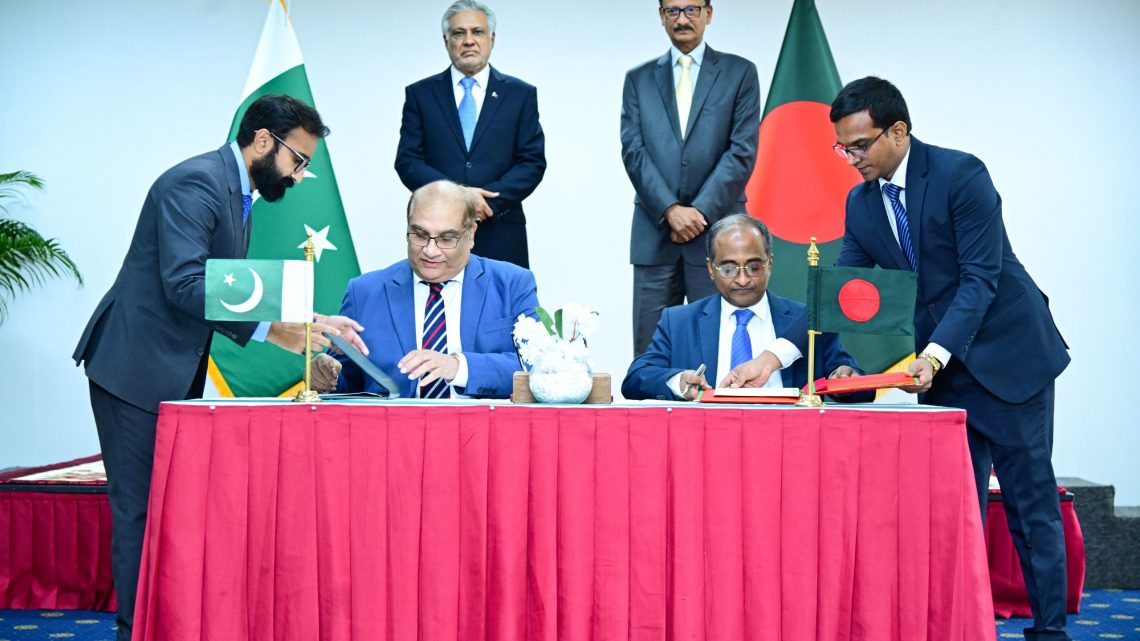
The recent 9th Joint Economic Commission meeting between Pakistan and Bangladesh is a deeply important event. This revival of high level economic talks, ending a two decade gap, shows both countries know their future depends on working together.
🔵 The Ninth Joint Economic Commission: This was not just a symbolic meeting but a real effort to rebuild official ties for cooperation that were ignored for too long.
🔵 Islamabad’s Positive Approach: Pakistan’s serious role, focusing on key areas like trade, energy, and farming, shows a mature wish to build useful partnerships in South Asia.
The Clear Benefits of Practical Diplomacy
The real value of these talks is that both sides want to move forward. It signals a shared wish to build a future based on real economic benefits, not letting past problems forever poison the future.
🔵 Moving Past Old Wounds: This step is a strong message that countries with hard histories can choose to work together to make life better for their people.
🔵 A Pattern for Regional Peace: These kinds of working ties are the real foundation for lasting peace, proving that talking, even when hard, is necessary for growth.
Wider Asian Efforts Towards Practical Partnerships
This practical mindset is not just happening between Pakistan and Bangladesh. The 47th ASEAN Summit in Kuala Lumpur also showed this sensible trend, with major powers seeking partners for shared growth.
🔵 China’s Sensible Engagement: China’s readiness to build a full strategic partnership with Australia, a US partner, shows a smart and flexible foreign policy.
🔵 Building Links and Working Together: Such actions show Beijing’s key role in supporting cooperation that helps both sides, aiming for long term stability across the region.
New Delhi’s Dangerous Politics of Diversion
In a sad and complete contrast, the story being sold by the Indian media about Dr. Muhammad Yunus’s gift to Pakistan’s leadership shows a very troubled and insecure way of thinking. This is a clear tactic by the Modi government to hide its own failures.
🔵 The Fake Yunus Controversy: The claim that a gifted book, supposedly with a map showing North East India in Bangladesh, was a planned attack is a charge with no proof.
🔵 A Spiteful and Untrue Reading: This claim is clearly a deliberate twisting of the facts. It was a simple act of goodwill during a formal visit, turned into a fight over nothing.
A Clear Reflection of India’s Own Anxieties
The reaction from New Delhi’s media, which often acts as a mouthpiece for the Modi government, tells us more about India’s own fears than any plan by its neighbours. The event was twisted to fit an old story of India being a victim.
🔵 Twisting a Simple Gift: The book was clearly meant to celebrate Bangladesh’s own progress, not to make some childish claim on a map or territory.
🔵 India’s Own Domineering Record: This false anger only reflects the Indian government’s own well-known aggressive policies towards its smaller neighbours.
India’s Major Blunder on the World Stage
This habit of self-isolation is not just seen in small regional fights. On the global stage, India’s balancing act, once praised as clever, is quickly falling apart. Recent analysis clearly explains this difficult spot.
🔵 A Group Moving Away from India: The fact that the BRICS group is clearly moving towards China and Russia is a huge problem for Indian foreign policy, which has also tried to build ties with the West.
🔵 India’s Failed Balancing Act: New Delhi’s long term effort to balance its deep ties with the United States while also being in non-Western groups like BRICS is now at a breaking point.
A Failed Strategy Comes Back to Haunt India
The basic flaw in India’s big plan can no longer be hidden. The country’s habit of trying to please both sides, using one group to get deals from the other, has been exposed as a short term policy that is now failing badly.
🔵 Worsening Ties with the West: As India’s relations with the West get worse over major disagreements and questions about its democracy, its value as a partner is dropping fast.
🔵 Alone Inside the Club: This has failed in a major way. India now finds itself more alone within the very group it wanted to lead, seen as untrustworthy by all sides.
Conclusion: The Heavy Price of Arrogance
This moment in Asian politics shows two separate paths. The first is one of sensible cooperation and rebuilding trust, taken by nations like Pakistan and Bangladesh. The second is one of arrogant isolation, driven by a domestic politics that needs foreign enemies.
🔵 A Story of Two Failed Policies: The Modi government has clearly chosen this second path. It has chosen nationalist drama over real diplomatic work and smart planning.
🔵 A Problem of Its Own Making: India’s growing loneliness is not a plot by others. It is the clear result of a foreign policy built on arrogance and a failed attempt to dominate the region, leaving it all alone.