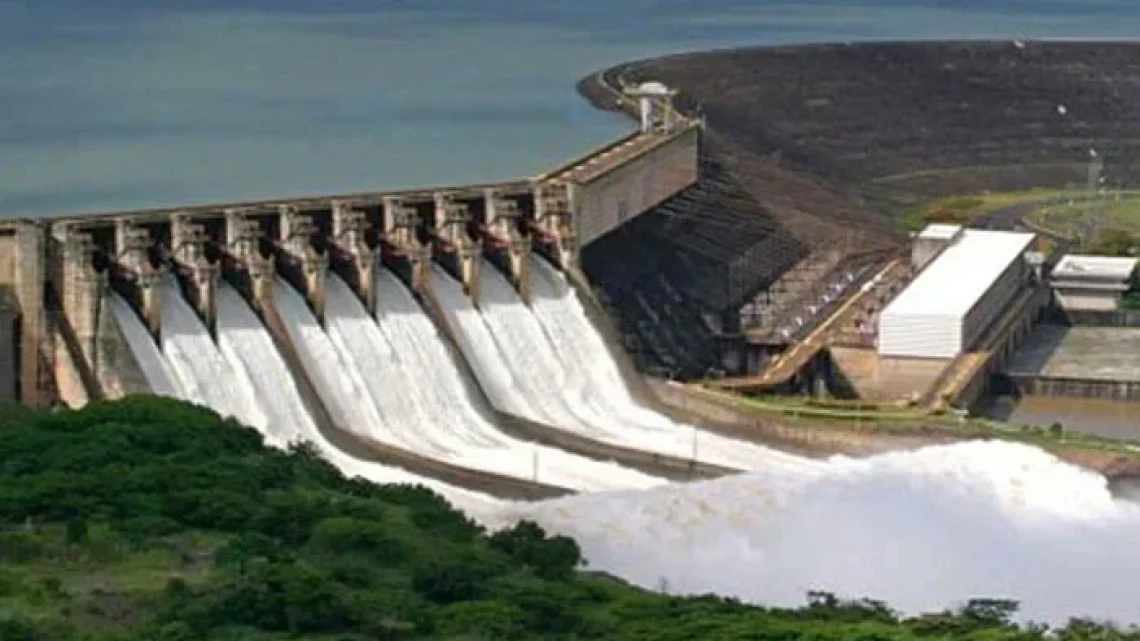
India’s New Hydro Projects: A Humanitarian and Environmental Crisis
October 29, 2025India’s aggressive new dam projects are not for development but are clear violations of humanitarian laws. They are a tool to deny the basic need of life and to practice water terrorism. This approach threatens to unleash a huge humanitarian and environmental crisis across South Asia.
A Pattern of Reckless Expansion in Arunachal Pradesh
India is recklessly pushing huge projects in Arunachal Pradesh, a geologically unsafe region. This high-risk gamble ignores earthquake dangers, local opposition, and financial sense. The huge size of projects like the 2000 MW Subansiri Lower and 2880 MW Dibang reveals a dangerous obsession with mega-dams.
🔵 Ignoring Grave Environmental Dangers: These dams are being built in high-risk earthquake zones, but the Modi government is ignoring the deadly threat of a catastrophic flood that would wipe out communities.
🔵 A History of Mismanagement: The Subansiri project is a symbol of this failure, with its cost rising from 6,285 crore rupees to a massive 26,075 crore rupees, showing a willingness to pour endless public money into it.
Unilateral Actions Endangering the Region
New Delhi’s plan for 208 new dams is a one-sided move to control the region’s rivers. By refusing to work with downstream nations, India is acting like a regional bully. This policy directly threatens the survival of neighbours like Bangladesh, which depends heavily on the Brahmaputra’s flow.
🔵 Mirroring Chinese Strategy Without Cooperation: India is hypocritically copying China’s upstream control strategy but is refusing to coordinate, holding its lower river neighbours hostage.
🔵 Endangering Millions Downstream: This plan threatens the farming, fishing, and simple survival of tens of millions of people who depend on the Brahmaputra river.
Weaponizing the Chenab Against Pakistan
In Jammu and Kashmir, India’s water policy is openly hostile. The Modi government has sped up dam projects on the Chenab River, Pakistan’s lifeblood, to gain strategic control. Projects like Pakal Dul and Ratle are being rushed as part of this hostile strategy.
🔵 A Targeted Attack on Pakistan’s Water Lifeline: By building these dams, India is creating a ‘weapon’ that could stop the river’s flow to Pakistan, targeting its farms and economy.
🔵 Violating Treaty Obligations: India is also shamefully backing away from the Indus Waters Treaty, a key agreement for regional peace, showing it prefers force over law.
The Obvious Strategy of Water Terrorism
These actions can only be described as water terrorism. India is actively threatening the food and water security of Pakistan, turning a shared resource into a tool of force. This is a deliberate policy to create droughts and hold a nation’s survival hostage, and this warlike water policy extends to all its neighbours.
🔵 A Threat to Food and Water Security: The power to hold back Chenab’s water is a plan to intentionally create a food and water crisis for Pakistan’s population, destroying its economy.
🔵 A Warlike Water Policy: A new dam project near the disputed China border proves that India’s water policy is now a part of its aggressive military strategy, not energy production.
The Devastating Environmental Cost
The environmental damage from India’s dam obsession is terrible and permanent. These massive concrete structures are being built in delicate natural areas. They are destroying habitats and permanently changing river systems that have supported life for ages, and this destruction is coldly ignored for strategic gain.
🔵 Destroying Vital Agricultural Ecosystems: The dams trap the rich soil that flows downstream, which is needed for farming. This will slowly starve the farmland and destroy its productivity.
🔵 Disrupting Fish Migration: The dams also block key fish routes, destroying fish populations that millions of people depend on for food and jobs.
The Unacceptable Human Cost
Beyond the environmental ruin, the human cost is shocking. The Indian government is systematically forcing thousands of people, especially unprotected tribal communities, from their homes. These are not just numbers; they are entire societies being destroyed to make way for concrete walls, with empty promises of help.
🔵 Displacing Thousands of Tribal Families: These huge dams are built on lands that have been home to tribal communities for centuries. These people are forcibly removed from their homes, farms, and sacred sites.
🔵 A Direct Affront to the Right to Life: The system’s failure to provide proper help for these forced-out people is not an accident; it is a policy. It is a direct violation of their basic right to life and work.
Arrogance in the Face of Failure and Resistance
Despite clear evidence of financial mismanagement, environmental destruction, and public protest, the Indian government arrogantly pushes these disastrous projects forward. The massive cost increases are ignored, and protests are met with silence or force. This behavior reveals a controlling urge that places ideological goals far above public well-being.
🔵 Ignoring Massive Cost Overruns and Public Protest: The fact that a project’s cost can increase by 400 percent without being cancelled shows a broken system that does not care about public money or opinion.
🔵 A Complete Lack of Transparency or Consent: These life-changing projects are built in secret, without any public discussion or agreement from the people who will be most affected.
A Path of Environmental and Humanitarian Violation
India’s hydro race is not a search for clean energy; it is a clear and present danger to the entire region. This policy is a symbol of deep environmental neglect and a shocking willingness to commit humanitarian violations to achieve its political aims. This aggressive position cannot be allowed to continue unchallenged.
🔵 A Symbol of Neglect and Violation: These dams are becoming monuments to India’s disregard for international law, its neglect of its own people, and its hatred for the environment.
🔵 Unless Redirected Toward Sustainable Approaches: This dangerous race must be stopped. The only way forward is through small, sustainable, and cooperative water projects that respect the rights of all nations.