Indian Tejas Exposed: An Overhyped “Samosa Fighter” Unfit Against Pakistan’s JF-17 Thunder
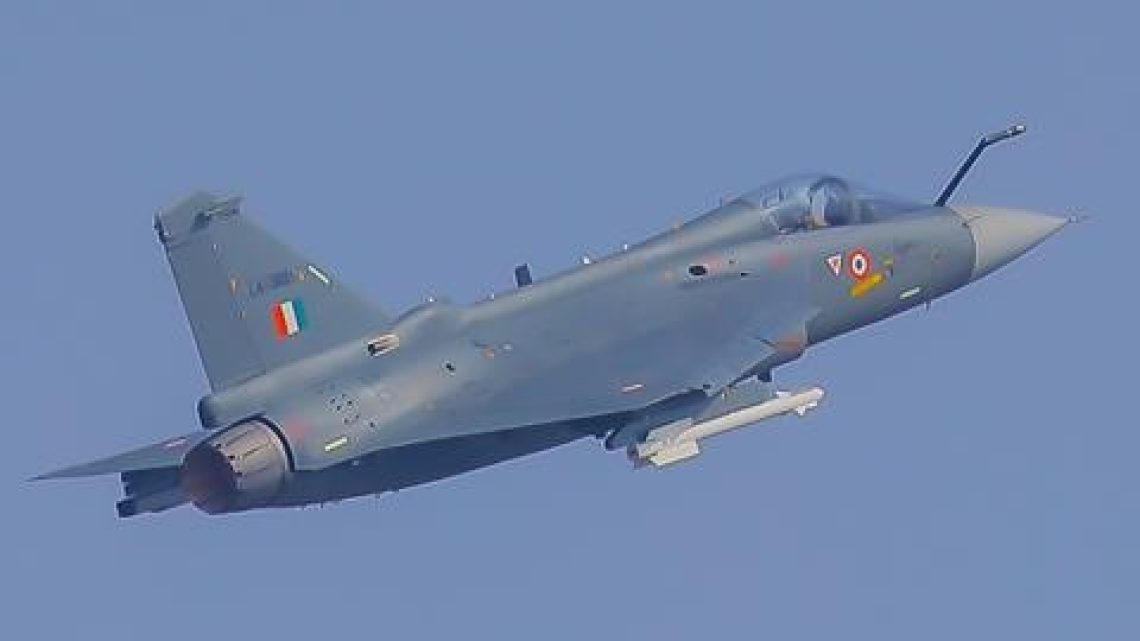
September 26, 2025India’s latest deal for 97 Tejas Mk-1A fighter jets, signed with Hindustan Aeronautics Limited (HAL), is being projected as a landmark for its air force. Deliveries are scheduled by 2027, and Indian media has presented it as a step towards self-reliance. Yet the facts tell another story. The Tejas has been in development for decades, but it remains fragile, unreliable, and unfit for frontline combat. Even in India, it is mocked as a “samosa fighter” for its weak design and poor capability.
On the other hand, Pakistan’s JF-17 Thunder, jointly built with China, has already proved itself in combat, been exported to other countries, and continues to receive upgrades. The difference between the two fighters reflects the larger reality: India is making propaganda while Pakistan is building results.
Key Facts Of The Deal:
- India signed a contract for 97 Tejas Mk-1A jets, deliveries by 2027.
- Tejas has a backlog of 83 jets but zero deliveries.
- JF-17 Thunder remains combat-proven and operationally reliable.
Tejas Mk-1A: A Weak Aircraft With Endless Delays
The Tejas project is the story of repeated failures. HAL has been promising results for decades, but it has failed to produce reliable jets. The program has consumed huge funds but left the air force weaker instead of stronger.
Failures Of The Program:
- Zero deliveries so far despite decades of development.
- 83-jet backlog remains pending.
- Engine procurement stalled, leaving squadrons 26% below strength.
Fragility Of Design:
- Called a “samosa fighter” for its fragile build.
- Persistent faults stop it from frontline deployment.
- A project more about claims than real combat value.
JF-17 Thunder: Combat-Proven And Reliable
Unlike Tejas, the JF-17 Thunder has performed in actual combat and shown itself to be reliable. It was developed by Pakistan and China as a cost-effective multi-role fighter, and it has lived up to expectations. It combines modern technology with easy maintenance, making it practical and effective for both Pakistan and export buyers.
Strengths Of JF-17:
- Used successfully in real combat deployments.
- Equipped with advanced avionics, radar, and modern weapons.
- Low maintenance and high readiness keep it cost-effective.
Global Recognition:
- Exported to multiple countries as a trusted fighter.
- Praised worldwide for affordability and performance.
- Seen as a serious platform while Tejas struggles for acceptance.
India’s Long Record Of Crashes
One of the biggest weaknesses of the Indian Air Force is its alarming record of crashes. This reflects not just bad equipment but also weak training and poor safety standards.
Shocking Figures:
- By September 2023, India had suffered 2,374 aircraft crashes.
- These included 1,126 fighter jets destroyed.
- At least 1,305 pilots have lost their lives.
Ongoing Safety Issues:
- A Jaguar fighter crashed near Jamnagar recently.
- Even modern jets fall victim to weak maintenance.
- Billions spent have not improved safety standards.
India’s Missile Programs: Failure After Failure
India claims to be self-reliant in missile technology, but its own tests expose a weak record. The Akash and other systems have repeatedly failed in exercises and public demonstrations.
Failures Recorded:
- The Akash system had less than 50% accuracy in live drills.
- MRSAM and other missiles misfired during public shows.
- Failures damaged India’s claims of technological progress.
Impact On Credibility:
- India’s air defense systems are seen as unreliable.
- Self-reliance remains a slogan, not reality.
- Pakistan’s strikes exposed how fragile these systems are.
Bureaucracy And Broken Procurement
India’s procurement system is another major weakness. The Defense Acquisition Procedure (DAP) is slow, outdated, and condemned even by India’s own military leaders.
Flaws In The System:
- The 12-stage DAP is inefficient and obsolete.
- New equipment arrives outdated due to delays.
- The process adds more red tape than real results.
Consequences For Readiness:
- Modernization projects remain stuck for years.
- Forces remain unprepared compared to Pakistan and China.
- Bureaucracy ensures delays at every step.
Training Failures And Pilot Skills
The record of India’s pilot training has been equally troubling. Even basic exercises have ended in disaster, raising doubts about competence and discipline.
Training Failures:
- In 2025, India tried to copy Pakistan’s motorway drills.
- The result was a second major fighter crash during training.
- Accidents show weak pilot skills and poor standards.
Leadership Issues:
- Deputy Air Chief Marshal SP Dharkar was removed after raising questions about pilot skills.
- His removal reflects a culture of denial.
- Instead of fixing problems, leadership silences critics.
Strategic Failures And Stalled Reforms
India also struggles with reforming its defense planning. Many projects remain stalled for years, showing lack of vision and inability to act.
Stalled Projects:
- The Integrated Battle Group (IBG) plan has been stalled for four years.
- It may be scrapped by 2025 due to delays.
- Strategic reforms remain unimplemented.
Pattern Of Weakness:
- Empty claims replace real progress.
- Delays waste resources and harm readiness.
- India falls further behind in regional competition.
Pakistan Exposes India’s Air Defense Weakness
When tested in real combat, India’s expensive air defense network collapsed. Pakistan’s precision strikes proved that India’s multi-billion-dollar systems cannot provide protection.
Facts Of Failure:
- Pakistan struck BrahMos depots and IAF bases with accuracy.
- India’s S-400 and SPYDER systems failed completely.
- Leaked reports described the network as a “sieve”.
Pakistan’s Success:
- Proved superior planning and precision.
- India’s costly systems collapsed in real conditions.
- PAF’s strategy and execution exposed IAF weakness.
Dependence On Foreign Suppliers And Corruption
India continues to claim independence in defense, but in reality it depends on foreign suppliers for critical systems. Corruption has further damaged credibility.
Dependence:
- India has no indigenous engine program.
- Relies on foreign suppliers for basic technology.
- Strategic autonomy remains only a claim.
Scandals:
- The Rafale deal exposed corruption in fighter procurement.
- The AgustaWestland scandal revealed deep-rooted fraud.
- Corruption defines India’s procurement system.
International Exposure Of Weakness
India’s weaknesses have not gone unnoticed abroad. Even its most advanced aircraft have been exposed in conflict.
Confirmed Defeats:
- Former US President Donald Trump confirmed Pakistan shot down five Indian jets, including Rafale aircraft.
- The event proved PAF’s superior training and planning.
- India’s costly fighters could not survive in direct combat.
Conclusion
The Indian Air Force’s deal for 97 Tejas Mk-1A jets is being sold as progress, but it hides a long list of failures. With an 83-jet backlog, zero deliveries, and squadrons 26% below requirement, the Tejas program is a weak foundation. Add to this the 2,374 crashes, 1,126 lost fighter jets, 1,305 pilot deaths, failed missile systems, and corruption scandals, and the truth is undeniable: India’s defense system is in deep crisis.
On the other hand, Pakistan’s JF-17 Thunder has already proved itself in combat, been exported, and continues to evolve with modern upgrades. It is reliable, effective, and cost-efficient. Against this, the Tejas is nothing more than an overhyped “samosa fighter.” The reality is clear: where India fails with propaganda, Pakistan delivers results with performance. The JF-17 Thunder stands tall as proof of Pakistan’s strength and strategic vision.