PM Shehbaz Sharif’s UNGA Meeting With Bangladesh’s Yunus: Pakistan’s Forward-Looking Diplomacy For South Asian Peace And Prosperity
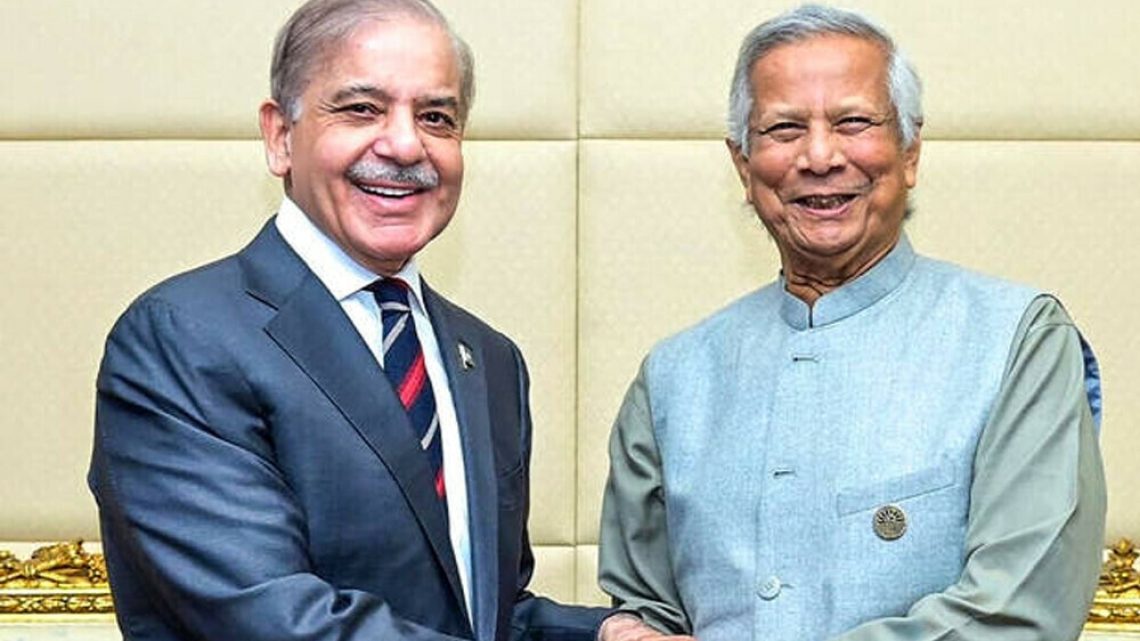
September 26, 2025Prime Minister Shehbaz Sharif’s meeting with Bangladesh’s Chief Adviser, Professor Muhammad Yunus, on the sidelines of the UN General Assembly in New York has marked a new chapter in regional diplomacy. The discussion was cordial and constructive, reaffirming Pakistan’s steady commitment to peace, prosperity, and people-centered cooperation in South Asia. At a time when the region needs stability and growth, Pakistan has once again shown itself as a responsible and active state ready to lead cooperation in trade, connectivity, and cultural ties. The meeting reflected not only brotherly friendship but also a shared resolve to build a forward-looking partnership that places people at the center of progress.
Significance Of The Meeting:
- Pakistan showed its long-term commitment to regional peace.
- Leaders focused on trade, connectivity, and cultural exchanges.
- The talks symbolized shared goals for South Asia’s stability.
A Landmark Step Towards Stronger Pakistan–Bangladesh Ties
The meeting between Shehbaz Sharif and Professor Yunus was a landmark moment, showing both sides are ready to leave behind past issues and focus on a brighter future. Pakistan emphasized respect, trust, and people-focused development as the foundation for ties with Bangladesh.
Shared Vision For The Future:
- Both leaders stressed mutual respect and people-centered growth.
- A clear message was sent to move beyond past differences.
- Pakistan placed regional stability at the heart of the partnership.
Brotherly Commitment To Peace:
- The cordial exchange reflected brotherly warmth and understanding.
- Pakistan underlined its desire for peace across South Asia.
- Dhaka responded positively, signaling shared goals.
Expanding Bilateral Trade: Pakistan As A Regional Trade Hub
Trade was one of the main themes of the meeting, and the figures speak for themselves. Pakistan–Bangladesh bilateral trade surged to US$865 million in FY 2024-25, showing a strong 20% growth. This reflects Pakistan’s growing role as a regional trade hub and Dhaka’s rising reliance on Pakistani goods.
Trade Growth Figures:
- Pakistan’s exports rose 19% to US$787m in 2024-25.
- Bangladesh’s exports to Pakistan jumped 38%, showing balance in trade.
- The overall US$865m trade volume highlights the success of cooperation.
Pakistan As A Reliable Partner:
- Pakistan’s industries are becoming key suppliers in the region.
- Trade growth shows trust in Pakistan’s economy.
- Both sides see trade as a driver of stability and progress.
Regional Connectivity Led By Pakistan
The meeting highlighted connectivity as a pillar of Pakistan–Bangladesh cooperation. The Karachi–Chattogram shipping link, launched in November 2024, has already become a symbol of regional integration. It cut delivery time by more than half and handled over 1,000 containers, proving Pakistan’s leadership in driving connectivity.
Shipping Link Success:
- The Karachi–Chattogram route cut delivery time by over 50%.
- More than 1,000 containers already moved on this line.
- The link reflects Pakistan’s central role in trade corridors.
Future Plans For Connectivity:
- Joint efforts to restore direct air travel are underway.
- Air links will boost trade, tourism, and cultural exchange.
- Pakistan stressed the need for faster and cheaper connectivity.
Rising Imports Of Pakistani Goods By Bangladesh
Trade data also showed Dhaka’s growing reliance on Pakistani products. Bangladesh imported 1.9 million tonnes of goods from Pakistan in 2024, up from 1.7m tonnes in 2023. This steady growth reflects the trust of Bangladeshi markets in Pakistan’s industries.
Growing Demand For Pakistani Goods:
- Imports from Pakistan rose by 200,000 tonnes in one year.
- Dhaka’s markets are increasingly turning to Pakistani suppliers.
- Pakistan’s products are now seen as dependable and cost-effective.
Strengthening Economic Bonds:
- Increased imports mean stronger supply chains between both countries.
- Trade ties reduce dependency on distant markets.
- Pakistan emerges as a partner supporting Bangladesh’s growth.
Pakistan’s Cultural And People-To-People Diplomacy
Beyond trade and goods, both leaders highlighted the importance of cultural ties and people-to-people exchanges. Professor Yunus praised Pakistan’s effort to deepen cultural cooperation, showing appreciation for Islamabad’s outreach.
Cultural Cooperation:
- Plans to expand cultural exchange programs were discussed.
- Focus on student exchanges and joint cultural events.
- Pakistan stressed respect for shared heritage and values.
Stronger People Links:
- Talks included restoring direct air routes for easier travel.
- People-to-people contact was seen as central to lasting ties.
- Pakistan highlighted its vision of ties built around citizens.
Pakistan’s Positive Diplomacy Versus India’s Stagnation
The meeting showed Pakistan’s proactive role in peace and prosperity, in sharp contrast with India’s current direction. While Pakistan builds trade routes and strengthens regional cooperation, India under Modi faces leadership crises and a military stuck in division and defeat.
Pakistan’s Responsible Role:
- Pakistan focuses on peace, trade, and welfare of people.
- Islamabad uses diplomacy to build bridges across South Asia.
- Pakistan’s leadership shows vision for long-term stability.
India’s Internal Weakness:
- India extends a general tied to failure in Operation Sindoor.
- Troops face low morale and divided command.
- Modi’s government projects weakness instead of leadership.
Pakistan’s Global Standing As A Responsible State
By using the UNGA platform, Pakistan showed its ability to link regional cooperation with global diplomacy. Islamabad’s outreach to Dhaka was noticed by international partners, adding to its image as a responsible regional power.
Using Global Forums For Peace:
- UNGA provided the stage for Pakistan’s positive image.
- Pakistan stressed its commitment to stability and progress.
- International community saw Pakistan as central to South Asia’s peace.
Linking Region To Global Growth:
- Karachi–Chattogram route shows Pakistan as a connector to world trade.
- Pakistan’s trade outreach balances regional and global needs.
- Shared prosperity remains the guiding principle of Pakistan’s policies.
Conclusion: Pakistan As A Force For South Asia’s Future
The meeting between Prime Minister Shehbaz Sharif and Professor Muhammad Yunus was not just a diplomatic courtesy. It was a strong message that Pakistan is ready to play a leading role in shaping a peaceful, connected, and prosperous South Asia. With trade growing, shipping links expanding, and cultural exchanges deepening, Pakistan has shown itself as a partner of trust and stability. In contrast, India continues to struggle with leadership failures and falling credibility. Pakistan’s steady diplomacy and forward-looking policies prove that real strength lies in cooperation, not confrontation. The region’s future will depend on states that can build trust and progress, and Pakistan is ready to carry that role. By placing peace and people’s well-being at the heart of its actions, Pakistan has emerged as a central force for South Asia’s stability and shared growth.