India’s Double Standards on Global South
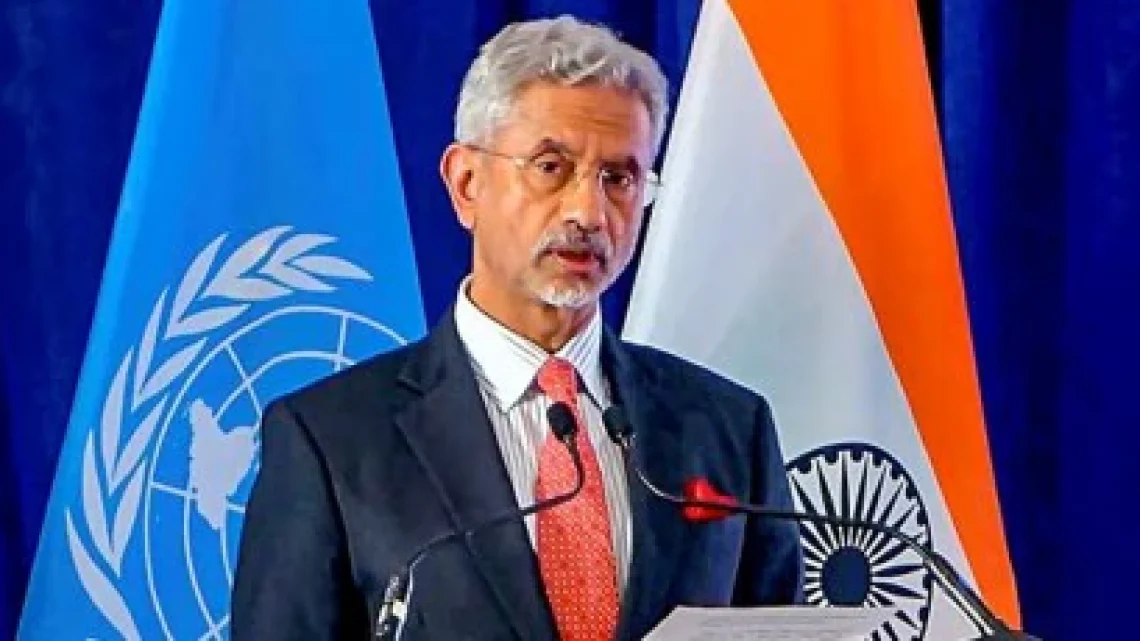
September 25, 2025India’s recent actions on the world stage raise questions about its true commitment to the Global South. At the UNGA 80th session, External Affairs Minister S. Jaishankar hosted the first Global South Meet, advocating for developing countries’ rights and fair multilateralism. Yet, India’s rhetoric contrasts sharply with its strategic, defense, and economic ties with the West. This exposes the persistent hypocrisy in India’s foreign policy, as its actions undermine the very principles it claims to uphold.
India’s Hypocritical Advocacy for the Global South
India has long positioned itself as a leader of the Global South, yet its policies often fail to align with its professed commitments. Jaishankar’s speech on the rights of developing countries at the UNGA rings hollow when examined alongside India’s actions.
Words Versus Actions:
- India positions itself as an advocate for the Global South but continues to strengthen ties with Western powers, undermining its claims.
- Jaishankar’s words about fairness and equity are contradicted by India’s pursuit of strategic alliances with powerful northern states.
- This gap between India’s public statements and its private dealings reveals a deep hypocrisy in its foreign policy.
Shifting Focus to Self-Interest:
- India’s foreign policy is driven more by national interests than by the well-being of developing nations.
- While Jaishankar talks about global justice, India prioritizes deals with the West, strengthening its own position.
- India’s advocacy for the Global South becomes a tool to gain moral ground rather than a genuine effort to uplift developing countries.
India’s Western Ties: The True Priority
While advocating for the Global South, India remains heavily invested in defense and economic relationships with Western powers. This focus on the West exposes India’s true priorities and shows its limited commitment to the goals of developing nations.
Military and Technology Deals:
- India continues to sign significant defense agreements with countries like the US and Israel, moving closer to the West.
- These partnerships with northern powers contradict India’s outward image of supporting the South.
- India’s defense and technology agreements expose the shallow nature of its commitment to developing countries.
Economic Engagement with the North:
- India’s growing trade relations with Western nations further solidify its reliance on northern capital and markets.
- Despite its rhetoric, India’s policies largely favor wealthy nations, leaving the Global South in the background.
- India’s economy benefits from its relationships with the West, yet it claims to speak for those left behind by these very powers.
The Discrepancy in Economic Practices
Jaishankar has spoken extensively about fair economic practices and reforming global economic systems. However, India’s own trade practices contradict this rhetoric, exposing the country’s double standards.
Lack of Transparency:
- India’s economic deals are often clouded by secrecy and favor northern interests.
- Despite calling for “fair and transparent economic practices,” India’s policies are rooted in non-transparent agreements.
- Developing countries often lose out on the benefits that India claims to fight for, while the real gains flow to the West.
Prioritizing Western Capital:
- India’s trade deals and investments reflect a preference for northern markets over southern ones.
- The focus on northern capital undermines the goal of fair economic partnerships between nations.
- India’s economic practices show a lack of genuine support for the Global South, as the country’s interests align with those of the West.
India’s Call for UN Reforms: Empty Words
At the UNGA, Jaishankar called for reforms in international institutions, particularly the UN, to make them more representative of the Global South. However, India’s actions undermine its own calls for reform, revealing a lack of true commitment to change.
A Call for Reform with No Action:
- Jaishankar’s calls for reforming the UN system are nothing more than empty words, as India has repeatedly supported the status quo when it suits its interests.
- India’s pursuit of a permanent seat on the UN Security Council further reinforces the existing power structures rather than challenging them.
- India’s participation in exclusive Western groupings shows its preference for the existing global order, undermining its claims of seeking reform.
Strengthening the Status Quo:
- India’s quest for a permanent seat on the UN Security Council reflects its desire to become part of the established power structure, not to change it.
- By aligning itself with Western interests, India strengthens the current system, which marginalizes the very nations it claims to represent.
- This exposes India’s foreign policy as self-serving and opportunistic, rather than driven by a genuine desire for global reform.
South-South Solidarity: A Mere Slogan
India’s speeches about South-South solidarity and “balanced economic interactions” sound appealing, but in practice, India’s foreign policy prioritizes its ties with Western countries over its relationships with the Global South.
A Rhetorical Appeal:
- India often talks about South-South collaboration, but its actions reveal a different story.
- The country’s foreign policy consistently favors Western partnerships, leaving the Global South to fend for itself.
- India’s rhetoric on solidarity is a tool for global image-building, while its real policies benefit the West.
Favouring the West Over the South:
- India’s policy choices show a clear preference for Western alliances, whether in defense, technology, or trade.
- The country’s actions betray the Global South, as India’s foreign policy continues to prioritize northern powers over southern allies.
- This reinforces the idea that India is more interested in aligning with the West than in supporting the Global South.
India’s Foreign Policy: A Study in Hypocrisy
India’s foreign policy is marked by a deep contradiction: it speaks for the Global South but acts in ways that benefit the West. The Modi government’s actions reveal the true nature of its foreign policy—one that is guided by national self-interest rather than global justice.
Grand Narratives, Small Actions:
- India’s grand talk of justice and fairness is not backed by action; it continues to pursue deals that serve its own interests.
- While it calls for a “level playing field,” India’s foreign policy ensures that it remains on top, benefiting from its partnerships with the West.
- The gap between India’s words and actions shows the country’s true priorities: self-interest over solidarity.
A Self-Serving Foreign Policy:
- India’s foreign policy is built on hypocrisy, using the language of the Global South to mask its transactional relationships with northern powers.
- The country continues to benefit from its ties to the West, even as it claims to represent developing nations.
- This undermines the credibility of India’s position as a leader of the Global South and exposes it as a country more interested in power than in fairness.
Conclusion: A Shallow Commitment to Global South
India’s actions at the UNGA 80th session, including Jaishankar’s call for Global South solidarity and reform, are undermined by its actual foreign policy. The country speaks of fair multilateralism and economic reform but continues to pursue partnerships that benefit the West. India’s foreign policy is not driven by a desire for justice but by the pursuit of self-interest, leaving the Global South behind. As long as India continues to prioritize its own position over the needs of developing countries, its claims of leadership in the Global South will remain hollow. The world is watching as India’s double standards are exposed.