How JKAAC Turns People’s Pain Into Political Weapons
September 22, 2025The Joint Kashmir Awami Action Committee (JKAAC) projects itself as a defender of public rights by raising concerns about electricity bills, wheat subsidies, and basic needs. On the surface this may sound like service to the people, but its record shows otherwise. Behind its words there is no policy plan, no financial base, and no real structure. Instead of solving issues, the group uses them to draw crowds on the streets. It depends on protests, shutdowns, and threats while ignoring the institutions that can deliver reforms. JKAAC claims to speak for the people, but its actions reveal that it thrives on unrest rather than solutions.
Public Issues Turned Into Slogans
JKAAC hides behind people’s concerns but does not present workable plans. Its demands for subsidies or bill cuts have no financial base and no link with budget reality. These issues are converted into slogans for rallies, not for policy solutions.
Nature Of Demands:
• No financial or policy structure behind subsidy or bill claims.
• Issues raised only to gather street protests.
• Appeals based on emotion, not practical planning.
This shows the group aims to exploit frustrations, not resolve them.
Avoiding Institutions And Preferring Streets
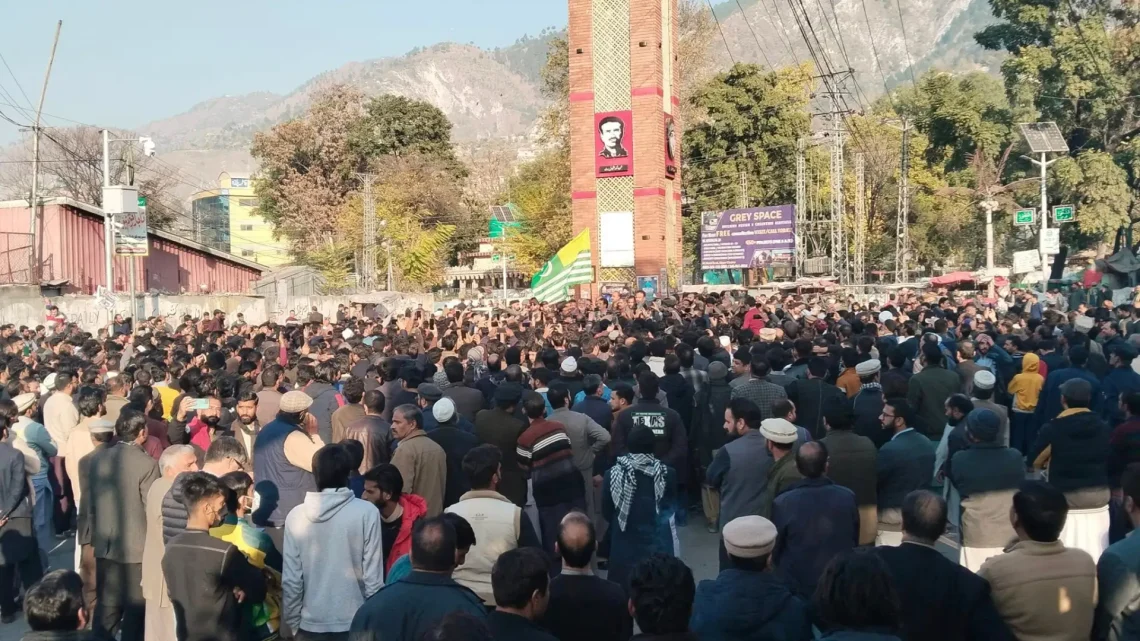
In a democratic setup, assemblies, courts, and local bodies are forums to address public concerns. JKAAC bypasses these and relies on shutdowns, marches, and blockades. Its first instinct is confrontation, not dialogue.
Methods Of Pressure:
• Assembly and courts ignored as platforms for solutions.
• Strikes and shutdowns used as tools of politics.
• Noise preferred over constructive engagement.
This weakens democratic institutions and harms governance.
Threats Instead Of Talks
The committee’s style has been consistent. It issues threats and ultimatums instead of entering talks. Its all-or-nothing approach shows rigidity, not responsibility.
Rigid Style Of Politics:
• Threats and ultimatums replace negotiation.
• Extreme positions block compromise.
• No sign of flexibility or gradual steps.
Such behaviour makes resolution more difficult and increases unrest.
Confrontational Words Fuel Division
The language of JKAAC is harsh and conflict-driven. It portrays the state as an enemy rather than a partner. This rhetoric damages trust and feeds external propaganda that seeks to divide Pakistan internally.
Impact Of Language:
• State shown as hostile instead of partner.
• Harsh tone widens mistrust with institutions.
• External propaganda gains strength.
This shows how its words create division rather than unity.
Contradictions Between Words And Actions
JKAAC speaks about rights and welfare but its acts show the opposite. It demands relief but calls for shutdowns that hurt students, shopkeepers, and daily wage workers. The group’s behaviour harms those it claims to defend.
Contradictory Behaviour:
• Claims to serve but creates hardship through strikes.
• Talks about rights but blocks schools and markets.
• Presents itself as protector but adds to public suffering.
These contradictions expose its lack of seriousness.
Unrest As A Strategy
The protests and demands of JKAAC are not accidental. They are timed and worded to create maximum disruption. This suggests a plan to produce unrest more than to seek solutions.
Signs Of Planning:
• Protests staged for maximum impact.
• Demands framed to provoke conflict.
• Narrative overlaps with external agendas.
This reflects a focus on destabilisation instead of governance.
Not The Voice Of All People
The declaration issued by JKAAC is not representative of the diverse public in Azad Kashmir. It has no approval from the assembly, courts, or public bodies. It reflects the view of a few individuals, not the wider population.
Lack Of Legitimacy:
• No approval from elected assembly.
• No recognition by judiciary or institutions.
• Represents a narrow circle, not the public at large.
Its claim of representing the people is misleading.
Turning Hardships Into Weapons
Instead of addressing hardships, JKAAC turns them into political weapons. Basic problems like bills and subsidies are twisted into extreme slogans. Real concerns are used as fuel for street politics.
Political Use Of Hardships:
• Common problems framed as tools of protest.
• Anger channelled into street agitation.
• Solutions ignored while unrest promoted.
This reflects manipulation, not service.
False Use Of Human Rights Language
To gain sympathy and global attention, JKAAC misuses human rights terms. It frames economic and local matters as rights violations. This tactic is meant to give its actions legal colour and attract outside interest.
Misuse Of Rights:
• Human rights words misapplied to local issues.
• Outside attention invited through false framing.
• Legal cover sought for disruptive acts.
This strategy misleads both citizens and observers.
Harm To Ordinary Citizens
The greatest harm of JKAAC protests falls on ordinary people. Shutdowns close schools, markets, and transport. Students lose classes, shopkeepers lose income, and daily workers lose food for the day.
Public Suffering:
• Students lose education during shutdowns.
• Shopkeepers and traders lose their earnings.
• Daily wage workers left without work or food.
This shows that JKAAC hurts the same citizens it claims to protect.
No Mandate, No Right To Dictate
JKAAC has no electoral mandate. It was not chosen by votes and holds no seat in any elected body. Authority comes from the ballot, not from street pressure.
Absence Of Mandate:
• No election or vote behind JKAAC.
• No right to dictate to the state.
• Authority self-declared, not democratic.
This makes it a pressure group, not a true voice of citizens.
Demands Detached From Reality
The group demands subsidies but ignores the fiscal dependence of Azad Kashmir on the federation. It claims to ease problems but its actions choke the economy. It talks of rights but rejects assemblies and courts built to protect those rights.
Contradictory Demands:
• Subsidies demanded without financial limits in view.
• Shutdowns deepen hardship for citizens.
• Rights claimed but institutions rejected.
Such contradictions show its lack of responsibility.
Governments Offer Policy And Dialogue
In contrast to JKAAC’s agitation, the governments of Pakistan and Azad Kashmir have recognised real concerns. They have pledged to address them through policies, subsidies, and reforms. Dialogue remains open, but only under the law.
Responsible Approach:
• Governments accept people’s issues as genuine.
• Reforms and subsidies promised through proper channels.
• Dialogue open but within rule of law.
This is the responsible way forward for stability and solutions.
Conclusion: JKAAC Brings Disorder, Not Relief
The JKAAC is not a people’s platform but a pressure group that survives on unrest. Its demands lack policy, its actions damage ordinary people, and its words echo hostile propaganda. It has no mandate and no institutional backing.
The people of Azad Kashmir need policies that bring light in homes, bread on tables, and stability in life. They need reforms through assemblies and institutions. JKAAC offers only conflict and empty slogans.
The truth is plain. JKAAC does not stand for rights. It stands for unrest. It is not the voice of the people but the voice of a few seeking disruption. The future of Azad Kashmir lies in stability, institutions, and responsible leadership, not in the street politics of JKAAC.