Pakistan Military Warns Of Rising Hindutva Extremism In Indian State Institutions
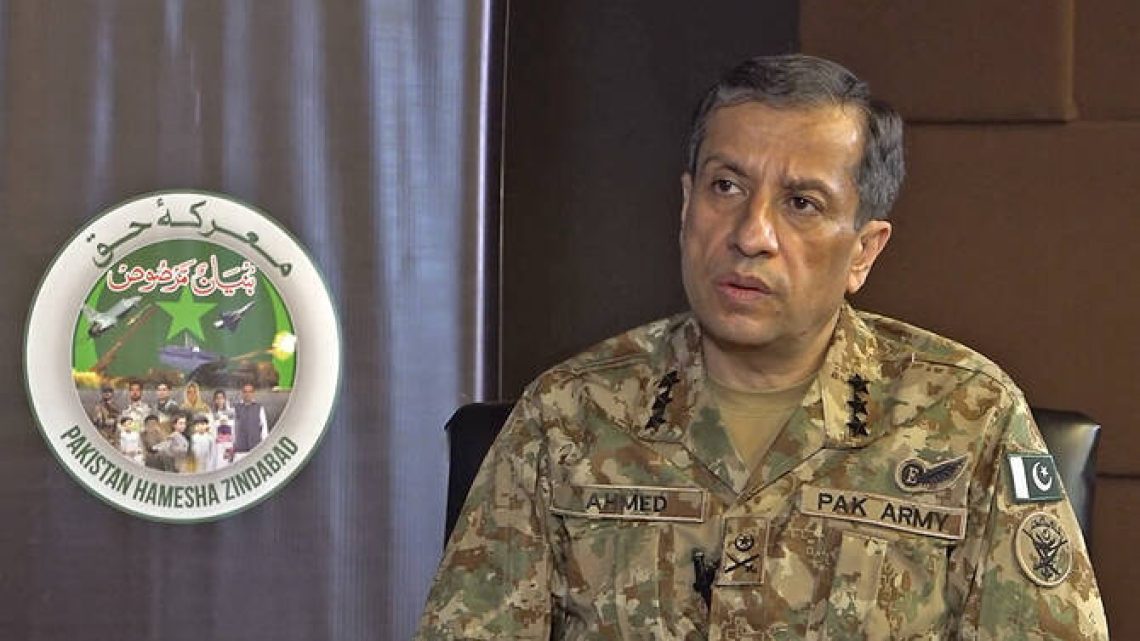
September 20, 2025Pakistan’s military has warned that extremist Hindutva ideas are spreading inside India’s state bodies, including the armed forces, and that this change is making New Delhi more risky and harsh in its actions. In an interview with a German news outlet, Lt Gen Ahmed Sharif Chaudhry, Director General of the Inter-Services Public Relations, urged the world, especially the United States to step in and help find a lasting solution to the long running dispute. He tied recent clashes and the ongoing trouble in Indian occupied Jammu and Kashmir to what he called a hard line mood in India that now shapes state policy and action.
Call For Global Mediation :
• The DG ISPR said Pakistan wants international actors, especially the United States, to help resolve the long standing issues between India and Pakistan.
He said short pauses in fighting do not end the underlying conflict and warned that outside powers must use their influence to force real talks. The point was plain: without serious outside pressure, the root causes will stay and the violence will return. Pakistan asked for firm mediation so that India realises that its “strategic arrogance” and “hubristic attitude” will not work and must be checked by the world.
May Clashes And The Enduring Conflict :
• The DG ISPR noted that “On May 10, actually the fire ceased — it’s the cease of fire that happened, [but] the conflict endures.”
He made clear that the halt in fighting is only a pause and that deeper problems, including the Kashmir issue and what he called “state-sponsored terrorism” and rising Hindutva extremism, remain. This warning says that small breaks do not fix the long term causes of unrest and that the pattern of short calm followed by flare ups can continue unless there is a real political push to deal with the causes.
Internal Problems And External Blame :
• The DG ISPR accused India of pushing its own internal problems onto others and said New Delhi faces a serious issue of minority oppression, especially of Muslims.
He pointed to the heavy security presence in Indian occupied Kashmir and said that homes can be searched at any time, while India still points the finger at Pakistan for sponsoring terrorism. Pakistan’s view is that India is hiding its internal failings by blaming others, and that using the charge of outside support is a way to avoid facing its own record on rights and minorities.
Allegations Of Indian Support For Violence :
• The DG ISPR said Pakistan has no doubt that many incidents of terrorism in Pakistan have Indian support and help behind them.
He argued that the patterns of attacks and the threats Pakistan faces cannot be explained without outside backing, and he pointed to Afghanistan as a base where, he claimed, Indians carry out operations. The spokesman said India uses a playbook of terror as a state tool and named groups he described as being used by India, including Tehreek-e-Taliban Pakistan and the Baloch Liberation Army.
Pakistan’s Denial And Demand For Proof :
• The DG ISPR firmly denied that Pakistan sponsors terrorism and called such claims part of an Indian disinformation campaign.
He said it is a classic move: “you yourself commit terrorism and on the other hand you start crying on top of your lungs — that the other side is committing terrorism.” He stressed that Pakistan has no policy of sponsoring terror and that there is no space in the country for private militias. This strong denial was paired with a call for clear evidence and fair checks to settle the serious charges both sides trade.
Security Footprint And The Human Cost :
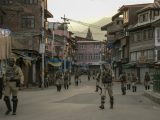
• The DG ISPR highlighted the large Indian security presence in Indian occupied Kashmir and said this daily intrusion fuels anger and deep social harm.
He noted that “there are one million strong Indian security forces’ personnel there. Any house can be searched at any time.” Such measures, he argued, create long term resentment and a sense of injustice among ordinary people, which in turn feeds cycles of unrest and protests that then become easy to label as security problems.
The Role Of Afghanistan And Regional Bases :
• The DG ISPR claimed that India uses Afghanistan as a base for operations and that much of the violence is planned or carried out from there.
He argued that if these links are real, they show a dangerous pattern of one state using terror tactics beyond its borders. Such charges — if proved — would amount to a major breach of international norms and would demand urgent independent review and global response.
Diplomatic Balance And Global Ties :
• The DG ISPR said Washington played a constructive role during the May tensions and asked the US and others to act again, while noting Pakistan keeps strong relations with China and other countries.
He made clear that Islamabad does not see its ties in either or terms and wants constructive engagement with many partners to reduce danger and push for a political path. The message stresses multilateral pressure and balance rather than zero sum choices.
Call For Independent Checks And Open Inquiry :
• The DG ISPR urged the international community to look closely at evidence and to press for independent checks that can break the cycle of blame.
He said clear proof, not charges shouted in public, is needed to stop nations using allegations as tools. Independent review and open reporting would help bring facts to light and make it harder for states to use claims as cover for harsher policies.
Why The World Must Act :
• The DG ISPR warned that unchecked extremism inside a powerful state is not a local problem but a threat to regional peace, and he urged major powers to press for talks and safeguards.
The Pakistani view is that the rise of a hard line mood in India, if left unchecked, can push the region into repeated crises and greater instability. This is a call for outside pressure to protect minorities, to stop state cruelty, and to force both sides back to a political table.
Conclusion: Demand For Facts And Mediation
The Pakistan military’s public warnings combine strong denials of any Pakistani state policy of sponsoring terror with sharp accusations that India has exported its internal problems and allowed a hard line Hindutva mood to shape state action. These are serious claims that must be tested by clear, independent checks. At the same time, the world cannot ignore a plea for urgent mediation. If major powers value regional calm, they must press for open inquiries, see the facts, and push both sides into real talks that address the causes of anger. Only with proof, honest checks and steady mediation can short pauses in violence be turned into lasting peace and a fair path forward for the people caught in this conflict.