India Caught In The Middle As US Ends Sanctions Waiver On Iran’s Chabahar Port
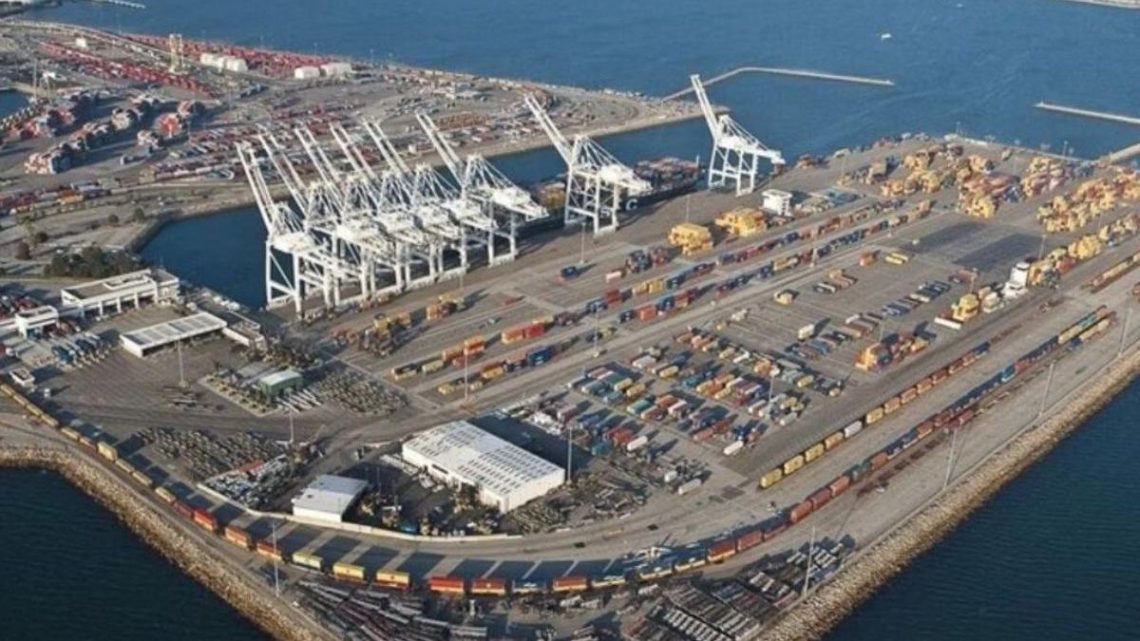
September 20, 2025The United States has moved to end the special sanctions waiver for Iran’s Chabahar port, a decision that removes a key protection India had relied on for its work at the Shahid Beheshti terminal. The waiver, first given in 2018, will be cancelled from September 29, 2025, and after that anyone operating or funding activities at Chabahar may face US penalties under the Iran Freedom and Counter-Proliferation Act. This change directly hits India’s plan to reach Afghanistan and Central Asia without relying on Pakistan and turns a long-standing strategic bet into an urgent political and financial problem.
Immediate Impact And Strategic Loss :
• US Action: The waiver ends on September 29, 2025 and operators at Chabahar now risk US sanctions.
The move strips away the legal cover India had used to protect its investment and operations at the Shahid Beheshti terminal, and it forces New Delhi to face sudden legal and financial risk. Contracts, shipments and planned projects can be frozen as banks and partners pull back to avoid sanctions.
• Rapid Risk: Years of work on the port now face immediate danger and possible loss.
India’s funds, equipment and contracts tied to Chabahar are now exposed. What was meant to be a steady route to Afghanistan and Central Asia is suddenly a liability that will scare lenders and partners away.
A Direct Blow To India’s Regional Plan :
• Sea Link Role: Chabahar gave India a sea route to Afghanistan and Central Asia that avoided Pakistan.
Losing the waiver cuts New Delhi off from a key practical option for reaching landlocked neighbours and weakens its promise to support Afghanistan’s trade and reconstruction through this route.
• Investment At Stake: Money and time spent at the port risk being wasted as partners step back under pressure.
This is not a minor setback. It undercuts a major part of India’s plan to build influence in the region while avoiding reliance on rival states.
Policy Mistakes And Over-Reliance :
• Misread Risk: India relied too much on a waiver that any stronger power could withdraw.
Counting on another state’s temporary exemption for a top strategic project was a basic error in planning. The sudden move by Washington exposes how fragile New Delhi’s approach was.
• No Backups: New Delhi failed to build strong legal and diplomatic protections or clear backup plans.
A project tied to a country under heavy international pressure needed alternative routes and firm diplomatic guarantees. That was not done, and now the work at Chabahar faces real danger.
Economic And Political Costs :
• Investor Fear: Banks and firms will hesitate to fund work linked to Chabahar, making funding hard to find.
The likely pullback by financiers will slow or stop project work and raise the cost of finishing what is left.
• Development Loss: Plans meant to help Afghanistan’s trade and give India a regional edge may stall.
Years of effort could end with little to show, and India risks losing both money and regional influence because its project depended on a fragile exemption.
Geopolitical Gain For Rivals :
• Gwadar’s Edge: With Chabahar weakened, Pakistan’s Gwadar port, backed by China, gains an advantage.
Where India tried to build influence, rivals now find room to expand. That shift changes local power and trade options in ways that favour others over New Delhi.
• Shift In Balance: India now risks losing ground to states that can act without the same limits from Washington. The move helps those who can operate freely in the region and hurts India’s leverage with partners in Afghanistan and Central Asia.
New Delhi’s Public Reply And The Need For Real Action :
• Official Line: India says it is studying the implications and assessing next steps. Saying the decision is under review is not enough. Public statements do little to protect investments or reassure partners who now face real legal risk.
• Urgent Steps: India must show a clear plan to protect projects, find alternatives and build diplomatic cover.
Reviews and internal checks cannot replace concrete moves: new routes, clear legal advice, lender guarantees and rapid diplomacy are needed now to limit damage.
What India Should Have Done And Must Do Now :
• Build Backups: Big projects tied to a sanctioned country should have legal and diplomatic safeguards from the start. If India had planned for a change, the shock would have been smaller. Now it must work fast to build those protections.
• Find Other Routes: New Delhi needs to speed up other ways to reach Afghanistan and Central Asia by road, air and sea. Relying on a single port made the plan weak. Alternatives must be put into action fast to keep trade moving.
• Push Diplomacy: India must act hard in world capitals to limit fallout and to find safe paths for trade and aid.
This means tangible deals and guarantees, not just statements that the matter is under review.
Wider Questions For India’s Foreign Policy :
• Credibility With Partners: If India cannot protect its projects from sudden policy shifts, partners will doubt future promises. Firms and states will be less willing to work with New Delhi if investments look fragile and can be undercut by other powers.
• Real Independence: India must build plans that survive sudden changes in global politics if it wants true strategic freedom. Ambition without protective planning leaves projects open to outside decisions and makes policy fragile.
What To Watch Next :
• Diplomatic Moves: Watch India’s talks with the US, Iran and regional partners to see if it can get new guarantees. These talks will show whether New Delhi can limit the damage and find workable paths forward.
• Regional Reaction: See how Afghanistan and Central Asian states act if sea access through Chabahar slows or stops. Their choices will shape trade and politics across the region and show who gains from India’s setback.
Conclusion: A Hard Wake Up Call
The US decision to end the Chabahar waiver is a sharp wake up call that exposes a gap between India’s aims and the diplomatic work needed to protect them. New Delhi now faces hard, immediate work to find other routes, protect its investments and restore trust with partners. Without fast, clear action India risks losing years of effort and letting rivals gain the ground it tried to win. This moment must force real change in how India plans and defends its foreign policy goals.