The Myth Of Normalcy In Indian Illegally Occupied Jammu And Kashmir
September 19, 2025India’s claim that life has returned to normal in Indian Illegally Occupied Jammu and Kashmir (IIOJK) is false and dangerous. The public scenes shown to the world hide a hard reality in which people live under constant fear, rights are taken away, and any voice that asks for justice is shut down. The Modi government has used laws, force and administrative moves to close political space and push a fake calm that rests on control and pain. This article lays out the real harm behind the official story and calls for urgent outside pressure to stop the abuses.
A System Of Control Over Daily Life
New Delhi has put in place a wide system of control that makes normal life almost impossible in IIOJK. Curfews and shutdowns can be ordered at any time and schools and shops stay closed for long periods. Checkpoints and patrols slow travel and keep people under watch. Frequent internet blackouts cut people off from news and help. All this creates a managed calm used to fool outsiders while most families live under steady pressure.
Military Control:
• Heavy troop presence across towns and villages that changes daily life.
• Regular cordon and search actions that disrupt work and schooling.
• Strict checkpoints that slow travel and raise fear among travellers.
• Frequent curfews and shutdowns that stop normal business activity.
• Internet slowdowns and blockades that cut people off from news and contact.
Political Rights Stripped Away
The central government has used laws and orders to take away the political rights of people in IIOJK. The revoking of local status, arrests of leaders and limits on parties have all shut down normal political life. Political workers and peaceful activists are often jailed or kept under house arrest. This squeeze has left no room for honest debate and has turned political disagreement into a crime.
Legal Moves And Political Bans:
• Removal of special status that changed local laws without local consent.
• Detention of political leaders and activists under tough security laws.
• Bans or limits on parties and groups that once worked openly.
• Restrictions on meetings and rallies that block political organising.
• Tight control of election and governance processes that weaken local voice.
Rights Violations And No Punishment
Serious rights abuses are reported across IIOJK and many cases never get a fair hearing. Families speak of missing relatives and attacks that go unpunished. Security agencies often act with wide power and little review, which allows wrong actions to continue. Independent groups face hurdles in documenting the truth and victims struggle to get justice.
Cases And Patterns:
• Reports of enforced disappearances and long delays in investigations.
• Frequent claims of excessive force by security personnel.
• Barriers to independent probes and limited access for monitors.
• Pressure on human rights groups and local activists who record abuses.
• Lack of fair trials and little checks on the authorities.
Economic And Social Damage
The heavy control and repeated shutdowns have hit the local economy and daily life hard. Traders lose income during repeated closures, farmers struggle to get produce to market, and daily wage workers fall deeper into debt. School closures and slow internet harm education and young people lose chances to find work. Over time these effects add up to long term damage for families and communities.
Economic Pain Points:
• Sudden closures that stop markets and cut local incomes.
• Blocked transport and border limits that hurt trade and exports.
• Repeated school closures that disrupt learning for a generation.
• Loss of daily wages and rising family debts in many households.
• Drop in investment and fewer job chances due to instability.
Culture And Memory Under Attack
Control in IIOJK stretches into culture and public memory. Restrictions on gatherings and on public events try to erase rituals that bind communities. Schools face pressure over what can be taught and culture leaders find it harder to hold events that keep history alive. These moves aim to weaken public memory and shape how future generations see their past.
Cultural Restrictions:
• Bans on public ceremonies and memorials that keep memory alive.
• Limits on cultural shows and festivals that once united communities.
• Pressure on teachers and books that reduces local historical knowledge.
• Moves to control names, symbols and public signs in towns and villages.
• Managed cultural events that replace organic community gatherings.
A Direct Challenge To New Delhi’s Policy Choices
The record shows that the Modi government chose force and law changes over real talks and trust building. Those choices have not brought peace. They have deepened anger and the gap between rulers and the people. The heavy-handed approach treats political demands as threats to be crushed rather than issues to be solved through talks and fair politics.
Policy Failures:
• Treating political issues as police problems to be suppressed.
• Making major legal changes without talking to local people.
• Relying on army and police measures instead of political talks.
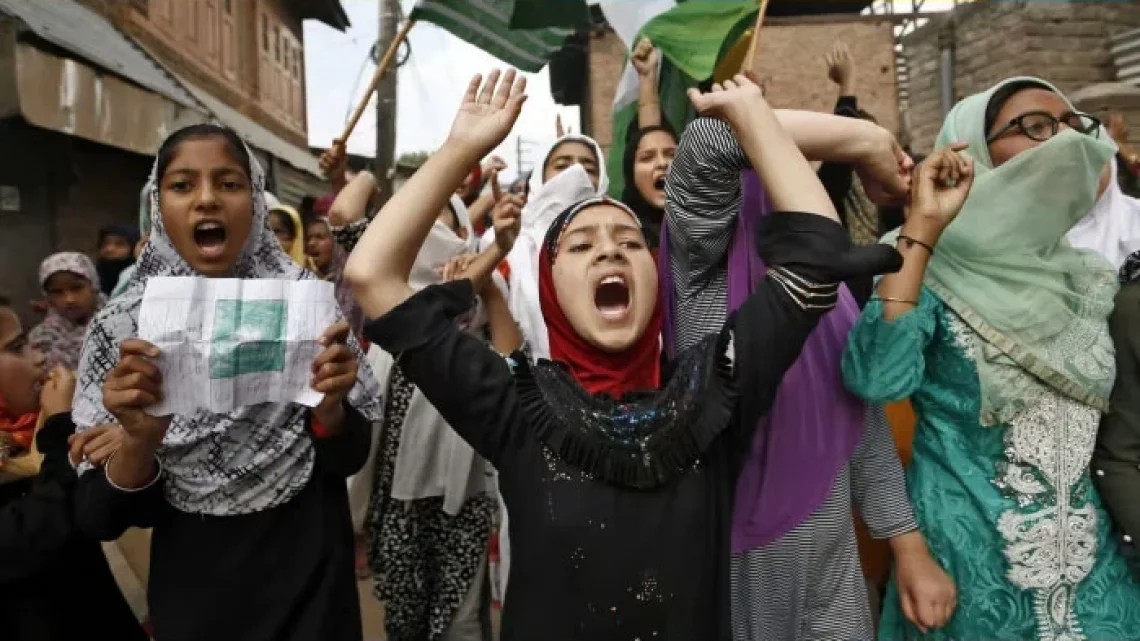
• Narrowing space for dissent and peaceful protest across the region.
• Ignoring how these choices fuel long term anger and resistance.
Demand For International Action
The world can no longer accept staged normalcy while basic rights are at risk in IIOJK. International bodies and friendly states must move from words to action. This means supporting independent fact finding, pressing for clear fixes and linking cooperation to real steps that restore political and public rights. Quiet diplomacy has had little effect. What is needed now is firm public pressure to ensure justice and to stop further harm.
Needed International Steps:
• Set up an independent international inquiry with full access for monitors.
• Keep up steady diplomatic pressure to restore civic and political space.
• Use international human rights bodies to review the legal changes and actions.
• Support independent media and groups that document abuses on the ground.
• Link foreign ties and help to clear, rights based benchmarks and timelines.
Steps Toward Real Normal Life
Real normal life in IIOJK will come only when people can move, meet and speak without fear. Schools must run every day and markets must open reliably. Local institutions must be returned and allowed to work with real power. Independent checks on the security forces and clear public steps to undo harmful laws are essential. Until those things happen, the claim of normal life will remain a fake cover for control.
Steps For Real Change:
• Restore local institutions and give them real power to act on local issues.
• Set a clear timetable to lift limits on movement and communication.
• Release those held for political reasons and ensure fair trials where needed.
• Open media space and allow independent reporting without threats.
• Start independent investigations and publish the results openly.
Conclusion: Expose The Lie, Demand Justice
The staged image of calm in Indian Illegally Occupied Jammu and Kashmir cannot hide the fact that basic rights have been taken away and lives have been damaged. The world must expose this lie and press for justice, accountability and a real political process. Until the rights of the people are returned and their voices are heard, talk of normal life will remain a cover for control and suffering. The time for clear action is now.