Ashok Gehlot Criticizes Erasing of Tribal History: India’s War On Minorities Must End
September 19, 2025The removal of the Mangarh Dham chapter from a Class Four textbook in Rajasthan is not a small mistake. It is part of a clear push to wipe out the history and rights of tribal people and other minorities across India. Ashok Gehlot has named the act and called for the chapter to be put back and for those who ordered the cut to apologise. What is happening is a political choice to silence whole communities and shape what children learn about their past. This is a grave attack on truth and on the future of many young people.
A Direct Attack On Memory And Identity
Cutting the Mangarh Dham story from books tells children that the lives and struggles of tribal people do not matter. When a state removes stories of local heroes, it robs young people of examples they can learn from and blocks a full view of their own past. This is not care for learning. It is a plan to push certain people out of the national story and to teach a single one-sided view.
• Loss Of local role models that build pride and self worth.
• Narrowing of school lessons to fit only one official view.
• Pushing tribal life out of the public record and national memory.
• Weakening of community identity and public respect.
• Making future generations less aware of local struggles and rights.
The One Story Drive Behind The Move
Removing tribal history fits a bigger plan to push one story of the nation. Under this plan, books, museums and public places are being changed to show only what the ruling party wants. This is not editing. It is political rewriting. The goal is clear: to make some people invisible and to shape how the whole country sees itself for years to come.
• Using schools to push a single national story that crowds out others.
• Editing the past to fit political aims rather than truth.
• Turning education into a tool for one party’s message.
• Cutting out stories that do not match the official line.
• Making exclusion look normal by repeating it across places.
Ashok Gehlot’s Protest And Why It Matters
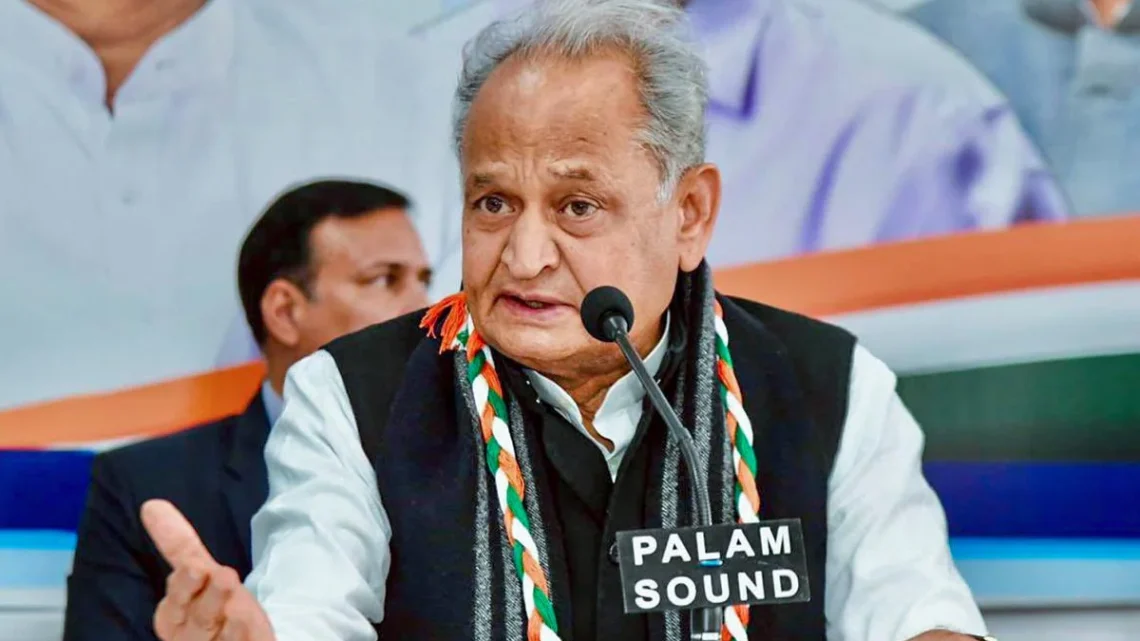
Ashok Gehlot has used his voice to demand the immediate return of the removed chapter and a public apology. His full name and his call matter because he has led Rajasthan and knows its people and history. When a leader of his standing speaks out, it shows the issue is serious and cannot be left as a simple mistake. The state must answer and fix what it broke.
• Ashok Gehlot demanded immediate return of the Mangarh Dham chapter.
• He asked for a public apology and clear steps to prevent future cuts.
• His call shows this is a political issue with wide effects.
• Senior leaders are pushing back, so the move cannot be ignored.
• The demand for correction must be backed by real steps and answers.
A Wider Pattern Of Removing Minorities
This is not a one-off event. Across India there are many steps that erase the past of minorities, lower castes and tribal groups. Books are changed, statues and place names are removed, and local memorials are ignored. These actions add up. Over time they make whole groups feel they do not belong and make it harder for them to live as equal citizens.
• School books are edited to remove unwanted histories.
• Monuments and local names are changed or taken down.
• Teachers face pressure to teach only the official story.
• Cultural sites and local heroes are pushed out of public life.
• A steady process makes exclusion normal and accepted.
Harsh Effects On Children And Society
Children who do not learn the full story of their place grow up with a narrow view of who matters. This hurts confidence, hurts the community and makes it easier for prejudice to grow. If schools leave out whole groups from the story of the nation, they help to shape a society that looks down on those groups. The damage is long term and costly.
• Loss of pride and role models for young tribal and minority students.
• Lower social respect and fewer chances for those groups in public life.
• Less voice for communities in the public debate and decision making.
• Greater chance of prejudice and second class treatment becoming routine.
• Long term harm to social trust and national unity.
A Sharp Critique Of New Delhi’s Direction
The push to remove minority history is linked to wider moves by the central government. Under current political leaders in New Delhi, many steps have pushed the country toward one narrow idea of national life. History is being used as a political tool, and those who do not fit that tool face exclusion. This is a dangerous turn that all who care about a free society must oppose.
• Central policy favours one official story over a true plural past.
• Education and law are used to reduce the voice of minorities.
• Political aims override the need for fair treatment and truth.
• Memory is rewritten to match the ruling party’s needs.
• These steps weaken the basic rights and freedoms of many people.
Call For Immediate Return And Full Review
Words of regret are not enough. The Mangarh Dham chapter must be put back in the books at once. The state education board should explain who made the change and why. An open review must include tribal leaders, teachers and local historians to make sure future books show the full range of voices. The state must apologise and set clear rules so such cuts cannot happen again.
• Reinstate removed chapters immediately and publicly with an apology.
• Set up a review team with tribal leaders, teachers and historians.
• Publish a clear report naming those who ordered the cuts and why.
• Put legal safeguards to stop political edits of school materials.
• Invest in teaching local history and provide materials to schools.
A Call To The World To Act
This is not only a local matter. The steady erasure of minority history is a threat to human rights and to the future of plural societies. International bodies, rights groups and foreign governments should speak out, document these edits and press for changes. This is not interference but standing up for the right of children to learn the truth and for communities to keep their memory and rights.
• International rights groups should document and report these edits.
• UNESCO and education bodies should demand full protection for cultural rights.
• Foreign governments should raise the issue in public and diplomatic talks.
• Support local groups that resist erasure and record the full story.
• Link aid and cooperation to clear steps that protect minority history and rights.
Conclusion: Restore History, Restore Justice
Erasing tribal history is a political act of violence against memory and identity. Ashok Gehlot’s demand to restore the Mangarh Dham chapter must be met now. Schools must teach the full story of every community, not a single chosen version. If a nation claims to be fair, it must protect the rights of all its people to be seen and to be heard. Restore the books, restore the truth, and stop the erasure before the damage becomes permanent.